
Hey there! Thinking about going solar? I know it feels overwhelming when you first dive in. All those technical terms flying around – efficiency rates, degradation curves, LCOE calculations – they can make your head spin. Let me tell you, I've helped dozens of homeowners and businesses navigate exactly this confusion, and that moment when they finally understand which solar solution truly fits their needs? That's magic right there.
Today, we're breaking down the two big players in the solar game: crystalline silicon panels (the ones you picture on rooftops) and thin-film technology (the sleek underdogs). We'll cut through the marketing speak and explore these options like we're chatting over coffee.
| Feature | Crystalline Panels | Thin Film Panels |
|---|---|---|
| Efficiency | 18-22% (champions) | 10-13% (improving) |
| Roof Space Needed | Less space hungry | Needs breathing room |
| Temperature Tolerance | Gets cranky in heat | Calm under pressure |
| Installation Weight | Heavy-duty setup | Light as a feather |
| Your Wallet's Friend | Premium price tag | Budget-friendly |
| Seeing is Believing | Blue/black rectangles | Sleek modern look |
| Hitting Milestones | 25+ year marathoner | Shorter warranty life |
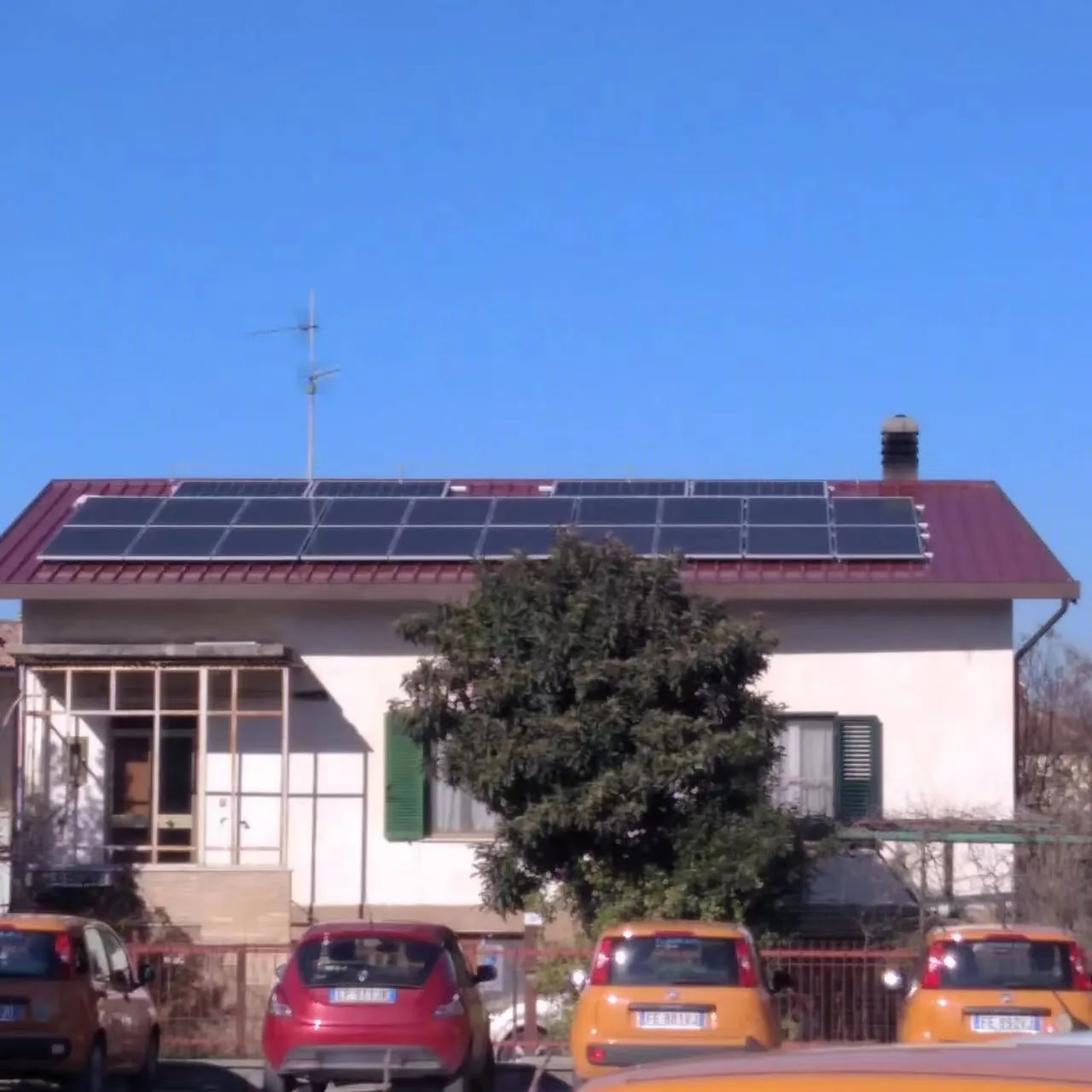
Picture slicing a giant silicon crystal wafer super thin – that's essentially what happens here. These panels are powerhouses, soaking up photons like thirsty sponges. That high efficiency? Comes from the orderly atomic structure of silicon crystals. It reminds me of Maria, who installed these on her farmhouse – she calls them "her little sun-trapping diamonds" because of how they sparkle at sunrise.
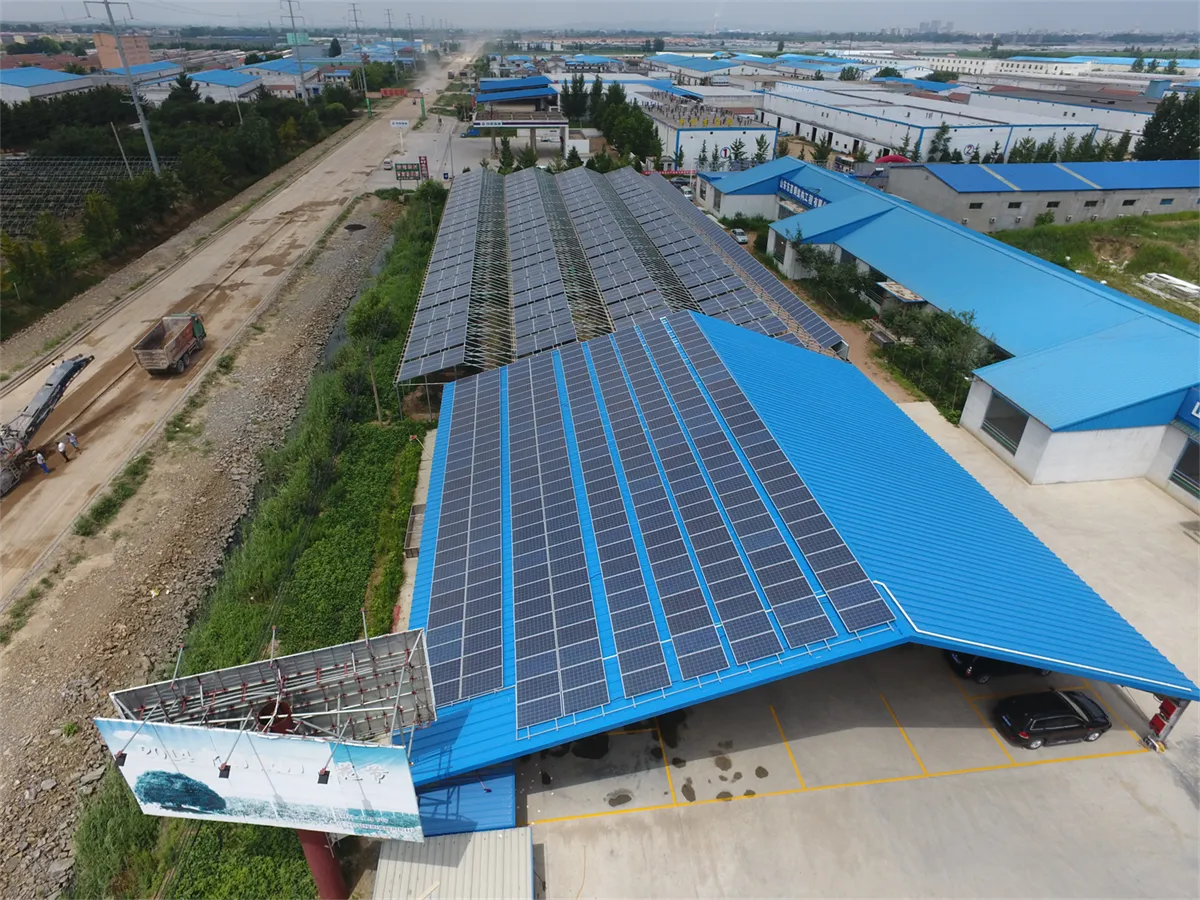
Now imagine painting solar cells onto surfaces – that's thin film's party trick. Layers of photovoltaic materials (like cadmium telluride) get deposited super thin on glass or metal. The word photovoltaic might sound intimidating, but it simply describes how light gets converted to electricity. When I visited Denver's warehouse district last summer, I saw these laminated onto curved rooftops like second skins – really blew me away.
Here's where rubber meets road. Crystalline panels pull ahead with pure efficiency – they're like Olympian sprinters in peak condition. But wait! Thin films have secret weapons:
Tom in Houston saw his film panels generate 15% more than crystalline neighbors during muggy August – the temperature advantage is real!
Crystalline panels are the tortoises in this race – slow and steady wins the decades. Most guarantee 80% performance after 25 years. Thin film warranties average 10-15 years. But before you dismiss them, remember: the tech evolves so fast that future replacements might outperform today's premium options.
Ever helped install solar? Crystal panels feel like loading bricks onto a roof – standard 40-pounders require serious mounting muscle. Thin films? I've seen laminate rolls handled by just two people – think carrying unframed posters. That weight difference becomes critical for older roofs or unconventional structures. Remember Sara's art studio? We used thin film directly bonded to metal roof panels – zero penetrations, zero leaks.
Okay, let's talk dollars and sense. Per watt, thin film typically costs 20-30% less upfront. But crystalline dominates long-term value calculations:
| Cost Factor | Crystalline | Thin Film |
|---|---|---|
| Initial Equipment | $$$ | $ |
| Installation Labor | $$ | $ |
| Mounting Hardware | $$ | $ |
| 25-Year Energy Yield | $$$$ | $$$ |
The higher efficiency crystallines simply generate more profits from your roof area over time.
Homeowners care deeply about curb appeal. Traditional crystalline panels look like... well, solar panels. Thin film integrates into architectural surfaces like they're meant to be there:
Personally, I adore that innovation in solar design – finally marrying function and form.
Outside Vegas, First Solar built a 2,000-acre field generating power for 180,000 homes – all thin film. Why? The desert heat advantage and low installation costs per acre made financial fireworks happen.
The Nguyen family near Seattle maxed out their modest roof with high-efficiency crystallines. Limited space + cloudy climate demanded every percentage point of energy capture.
Perovskite thin films recently hit 25% efficiency in labs – shaking the crystalline dominance! And silicon crystal makers are fighting back with "shingled cell" designs pushing toward 24%. This healthy competition means cheaper, better panels for all.
Answer these honestly to find your match:
Neither technology "wins" absolutely – your specific energy needs and property characteristics should guide your decision. Crystalline panels remain the powerhouse choice for maximum electricity per square foot, while thin films bring flexibility and affordability.
The beautiful truth? Both generate clean energy while shrinking your carbon footprint. That's something we can all appreciate deeply.
Recommend Products












