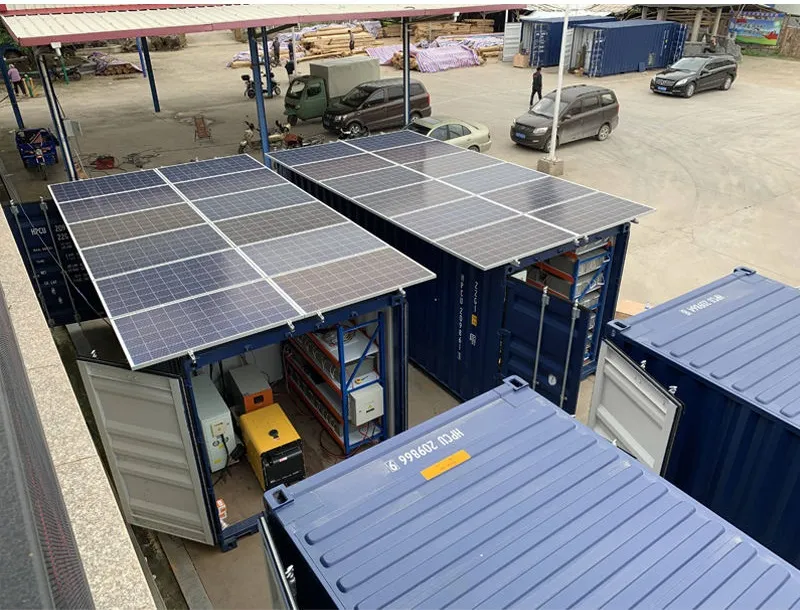
Why Solar Makes Dollars
and
Sense for Businesses
Picture this: Your manufacturing facility's energy bills shrinking by 50-75% while your brand gets recognized for environmental leadership. That's not fantasy - it's happening daily for companies leveraging
commercial solar installations
. Unlike residential systems, commercial solar arrays require specialized panels that deliver durability through decades of harsh weather, maximize limited rooftop real estate, and integrate smoothly with industrial energy demands.
Commercial-grade
solar panels differ dramatically from residential models. They're engineered for rigorous daily power generation, backed by extended warranties, and designed for seamless scaling across vast rooftops.
The ROI Reality Check
Here's what smart CFOs know: Solar isn't an expense - it's an investment with predictable returns. We've seen warehouses cut energy costs by $80,000 annually while retailers eliminate demand charges that spike during peak hours. With federal tax credits still at 30%, accelerated depreciation, and declining installation costs, most businesses achieve payback in 3-7 years followed by decades of nearly free electricity. The math just keeps getting better.
Beyond the Bottom Line
While savings matter, forward-thinking companies value solar's strategic advantages:
• ESG Credentials: Show investors and customers your climate commitment with verifiable emissions reductions
• Energy Independence: Lock in electricity costs against volatile utility rates
• Peak Shaving: Reduce demand charges that can account for 30-70% of commercial bills
• Grid Resilience: Maintain critical operations during outages with battery backup options
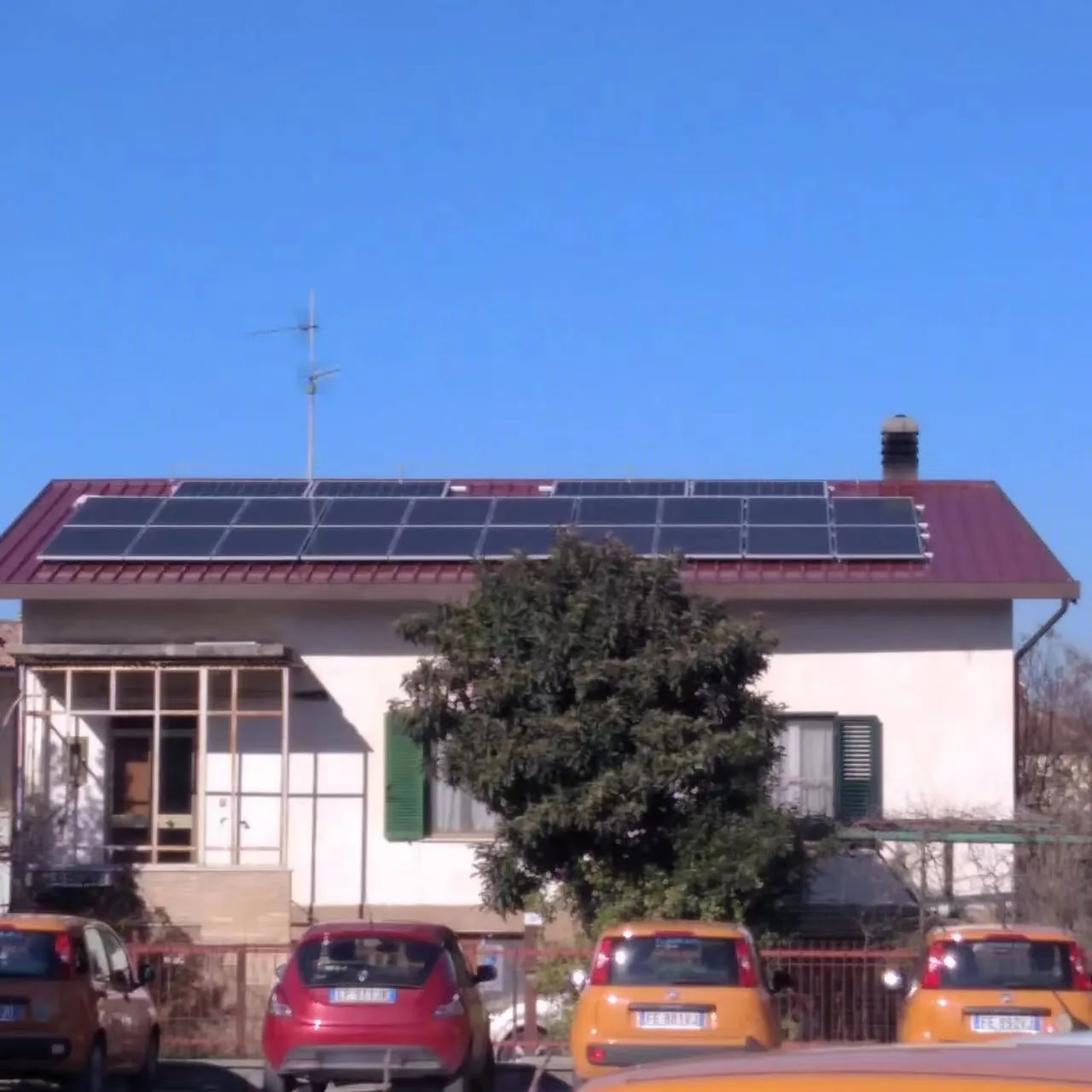
Commercial Panel Showdown: Industry Leaders
1. SunPower Maxeon® 6 Commercial Series
When every square foot counts, these panels deliver. Their unique copper foundation eliminates corrosion while shatterproof cells withstand hailstorms that would destroy conventional panels. Maxeon® technology packs up to 400W into each panel while maintaining industry-leading 92% output after 25 years. Ideal for businesses needing maximum power from limited rooftop space.
Real-World Fit: Tech campuses and urban warehouses needing premium power density where real estate costs dwarf panel pricing concerns.
2. Qcells Q.PEAK DUO BLK ML-G10+
Korean-engineered efficiency meets German precision in these workhorse panels. The innovative 12-wire busbar design reduces resistance losses while enhancing shading tolerance - a game-changer for rooftops with ventilation units or seasonal tree cover. At 345-355W per panel with an attractive price point, they offer balanced performance for budget-conscious businesses.
Real-World Fit: Manufacturing plants and retail chains scaling systems across multiple locations where consistent reliability meets mid-range budgets.
3. Panasonic EVERVOLT® H Series
Panasonic brings its legendary quality control to these hybrid panels optimized for hot climates. The heterojunction cells (HJT) maintain efficiency better than conventional silicon when temperatures soar above 95°F - critical for uninsulated warehouse roofs. Paired with industry-low 0.26% annual degradation, these panels outperform in harsh environments.
Real-World Fit: Food processing facilities and agricultural operations in sunbelt states needing robust heat resistance for sustained performance.
|
Feature
|
SunPower Maxeon 6
|
Qcells DUO BLK
|
Panasonic EVERVOLT
|
|
Efficiency
|
22.7% (best in class)
|
20.6%
|
21.7%
|
|
Temperature Coefficient
|
-0.29%/°C
|
-0.35%/°C
|
-0.26%/°C (best)
|
|
Warranty
|
25 years product & power
|
25 years product, 25 years linear output
|
25 years comprehensive
|
|
Wind/Snow Load Rating
|
7000 Pa / 4000 Pa
|
5400 Pa / 2400 Pa
|
6000 Pa / 3500 Pa
|
|
Ideal Applications
|
Space-constrained premium sites
|
Multi-location deployments
|
Hot climate installations
|
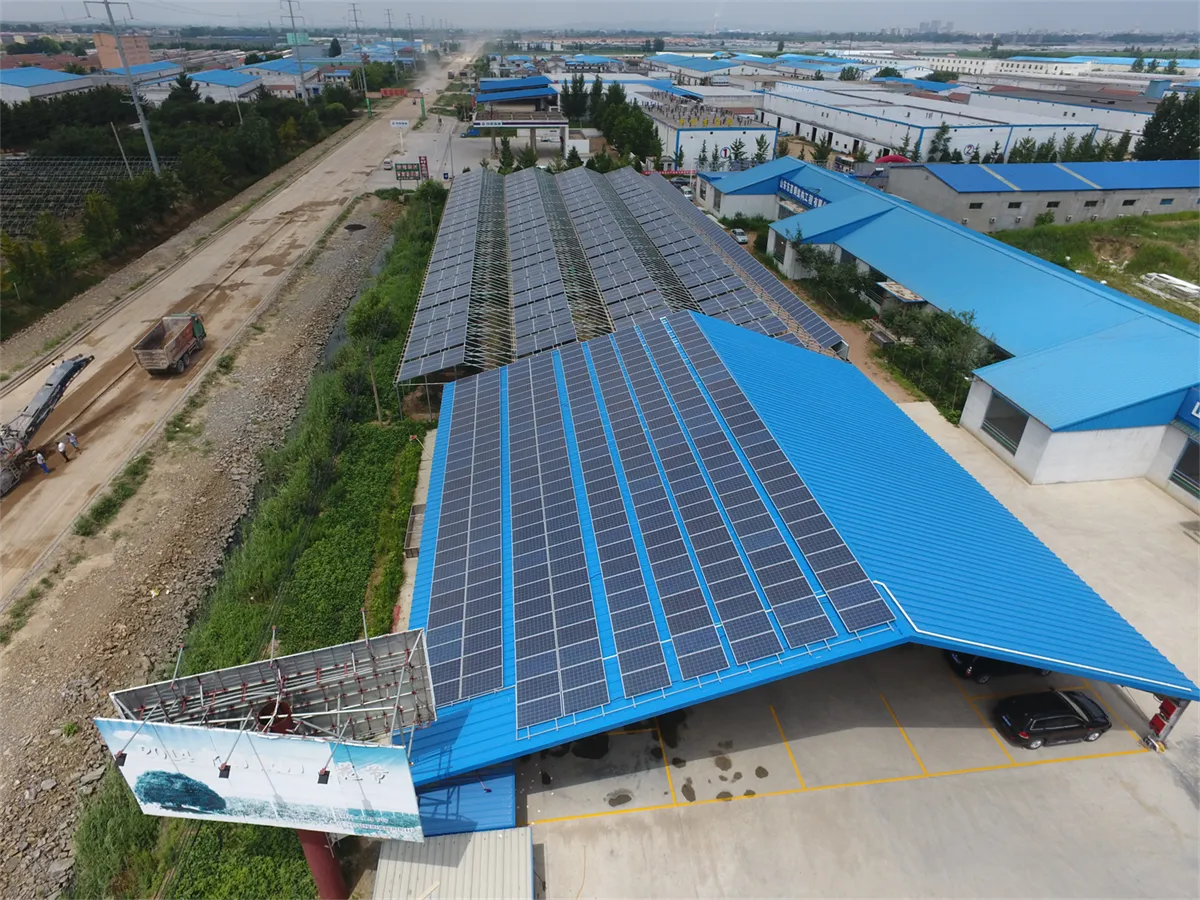
Commercial Solar System Design Strategies
Rooftop Real Estate Optimization
Commercial roofs are rarely empty canvases. Between HVAC units, skylights, and fire access paths, smart panel placement becomes critical. Modern software can model shade patterns across seasons and recommend module-level electronics to isolate underperforming sections. Consider tilt kits for flat roofs - adding just 10 degrees can boost winter output by 25% without increasing wind load.
Beyond the Panel: Complementary Tech
The panels themselves only tell part of the story:
• Microinverters vs. String Inverters: Decide based on shade patterns and expansion plans
• Racking Innovations: Lightning-friendly aluminum systems with integrated grounding
• Monitoring Platforms: Track ROI with granular per-string performance analytics
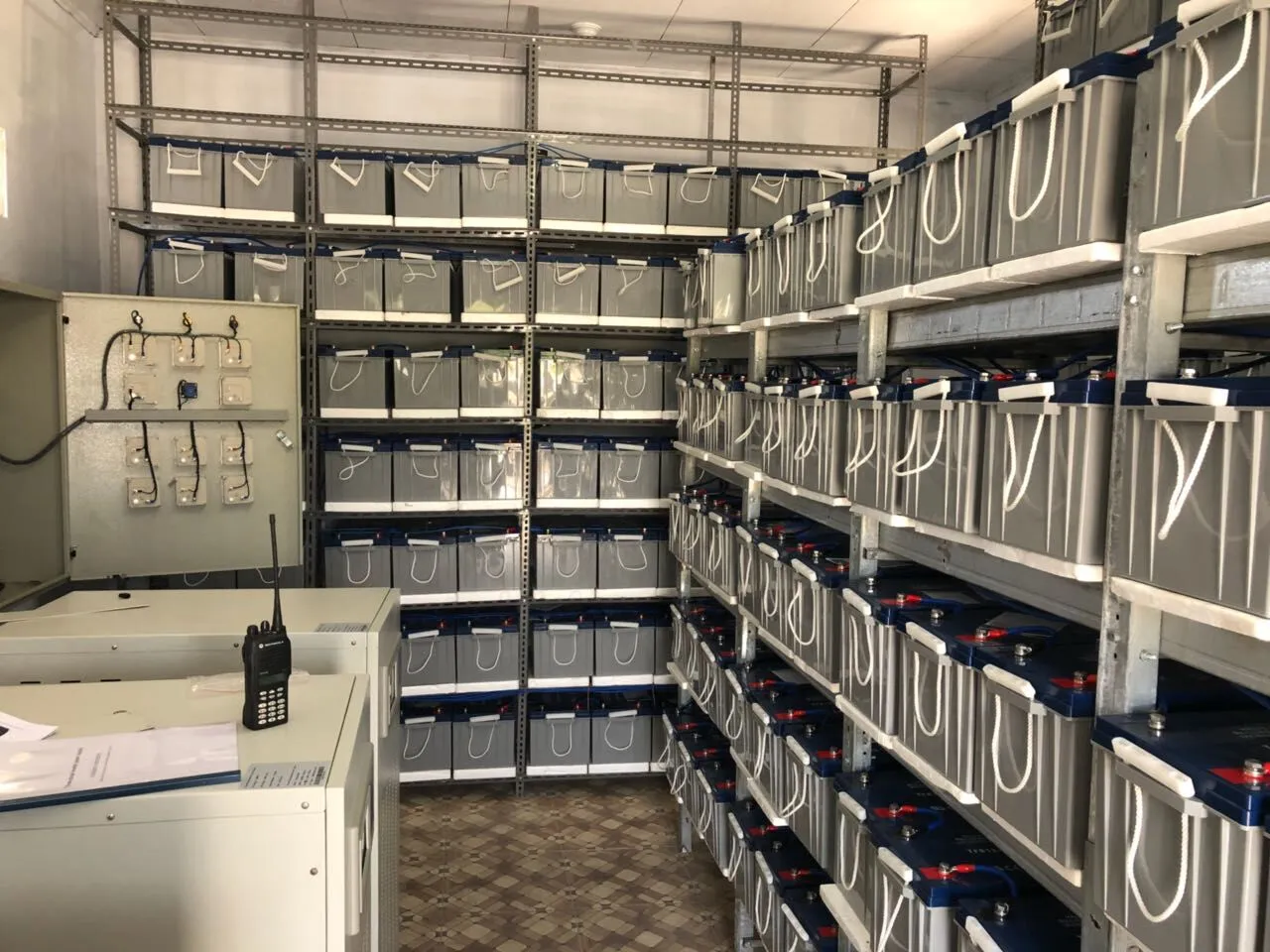
• Storage Integration: Commercial battery walls can shift daytime production to peak pricing hours
Future-Proofing Strategies
Smart businesses design for tomorrow's needs:
"We installed capacity for EV charging stations we're adding next year. Our solar design anticipated the extra load." - Sarah Chen, Logistics Manager at Vertex Warehousing.
Consider leaving expansion pathways, installing heavier racking for future bifacial modules, and planning conduit space for battery connections when storage economics improve.
Navigating Financial Incentives
The solar investment landscape keeps improving:
Federal Bonanza
The Investment Tax Credit (ITC) remains at 30% through 2032 before gradually stepping down. Pair this with MACRS depreciation that can write off >85% of system costs in year one.
State & Local Gold Mines
Beyond federal benefits:
Massachusetts: $0.35/W rebate + tax exemptions
New York: Megawatt Block incentives up to $0.45/W
California: SGIP for storage pairing
Ohio: Property tax abatements for solar improvements
Creative Financing Vehicles
Modern PPAs (Power Purchase Agreements) require zero upfront investment. Developers install systems on your roof and sell you power at below-utility rates under 15-25 year contracts. Third-party ownership preserves capital while transferring performance risk.
Installation Partnership Considerations
Vetting Commercial Installers
Not all solar companies understand commercial nuances:
• Roof Weight Analysis: Can your structure handle additional load?
• Interconnection Experience: Know utilities' commercial interconnection rules
• Portfolio Credentials: Ask for projects with similar scale/complexity
• Maintenance SLAs: Who handles panel washing, inverter replacements?
Avoiding Rookie Mistakes
We've seen projects go sideways when:
• Permitting overlooked local fire setbacks ("pathways" requirements)
• Construction timing conflicted with peak business seasons
• Design failed to account for future roof replacements
• Utility agreements didn't anticipate demand charge interactions
Pro tip: Include operations staff early - they'll spot access issues installers miss.
Your Commercial Solar Playbook
As we've seen throughout this analysis, commercial solar delivers compelling financial returns while advancing sustainability goals. The journey begins with honest assessments:
1. Energy Audit: Know your consumption patterns and billing structure
2. Roof Assessment: Structural capacity, remaining lifespan, shading factors
3. Financial Modeling: Cash purchase vs. PPA vs. lease - which optimizes value?
4. Partner Selection: Match installer expertise to your project complexity
5. Long-Term Vision: Integrate with EV fleets, battery backup, and carbon targets
Top-performing
commercial solar arrays
blend high-efficiency panels like SunPower or Panasonic with strategic inverter choices and professional implementation. With incentives at historic highs and electricity costs trending upward, the optimal time to act is now.
The solar solutions for factories and warehouses aren't just about panels - they're about transforming your facility into an efficient energy powerhouse that generates both products
and
profits.