Picture this: You're standing on a dusty construction site 50 kilometers outside Riyadh. The sun beats down, and the air hums with the constant roar of diesel generators. Your team's phones die mid-call, the site office AC sputters to a halt, and the project manager is fuming—another generator breakdown means today's concrete pour might be delayed. Sound familiar? For anyone managing remote work sites, reliable power isn't just a convenience; it's the backbone of productivity, safety, and meeting deadlines.
Traditional generators have long been the default solution, but let's talk about the reality: They're loud enough to disrupt team communication, guzzle expensive fuel that eats into project budgets, and spew fumes that make even the toughest workers cough. Worse, in remote areas like the Saudi desert, fuel deliveries are unpredictable—miss one, and your site grinds to a halt. And with global pushes for sustainability (hello, Saudi's 2030 Vision goals), those carbon emissions aren't just bad for the planet; they're bad for your company's reputation as a forward-thinking partner.
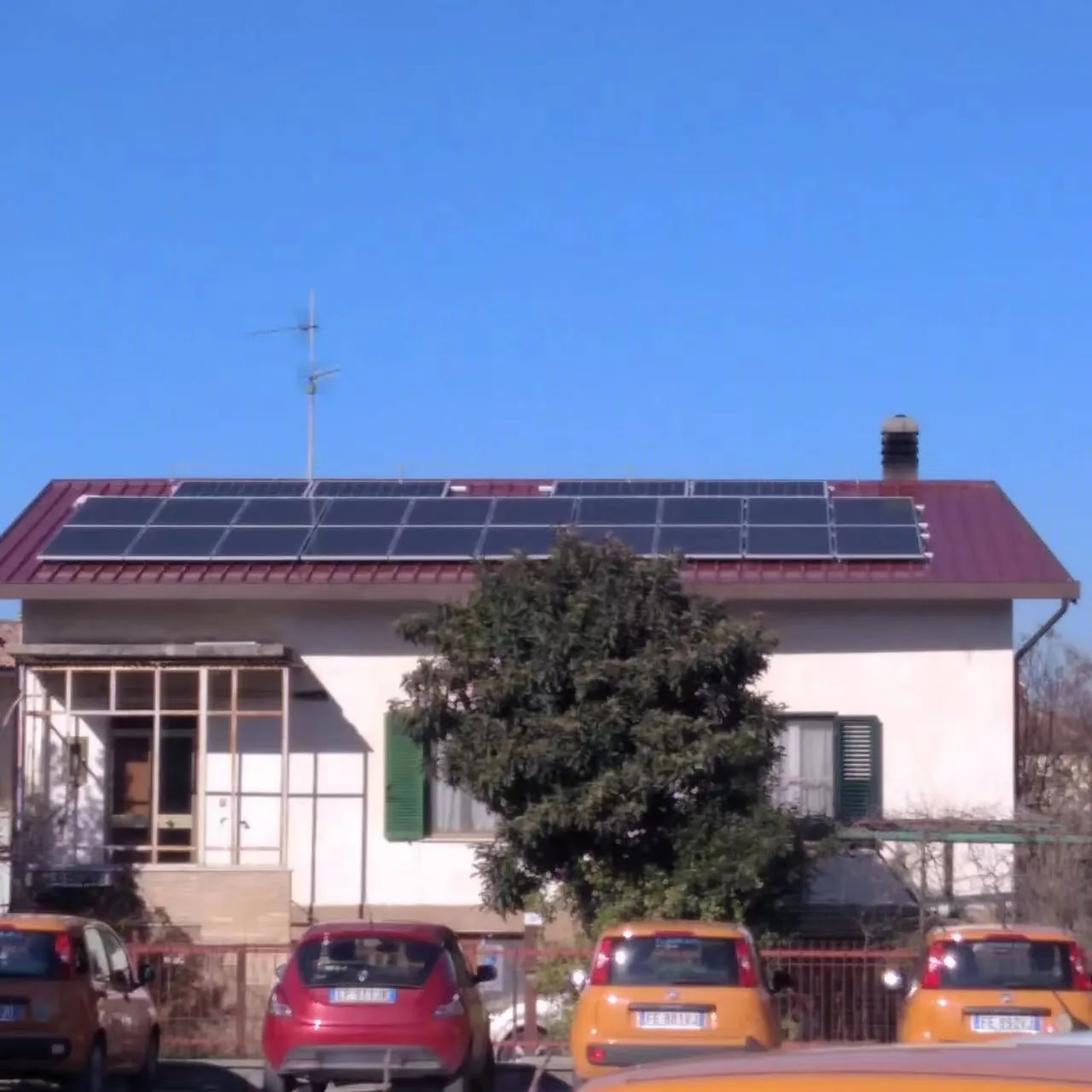
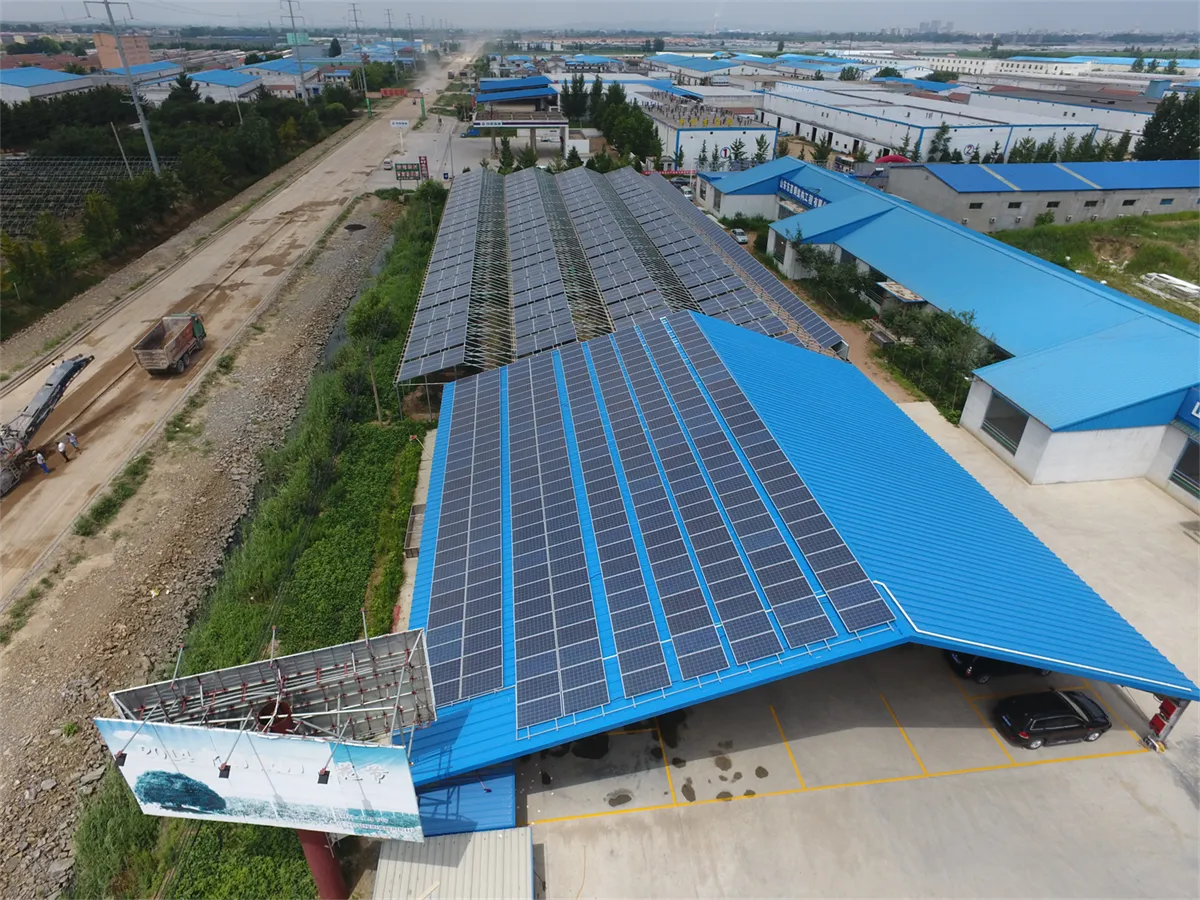
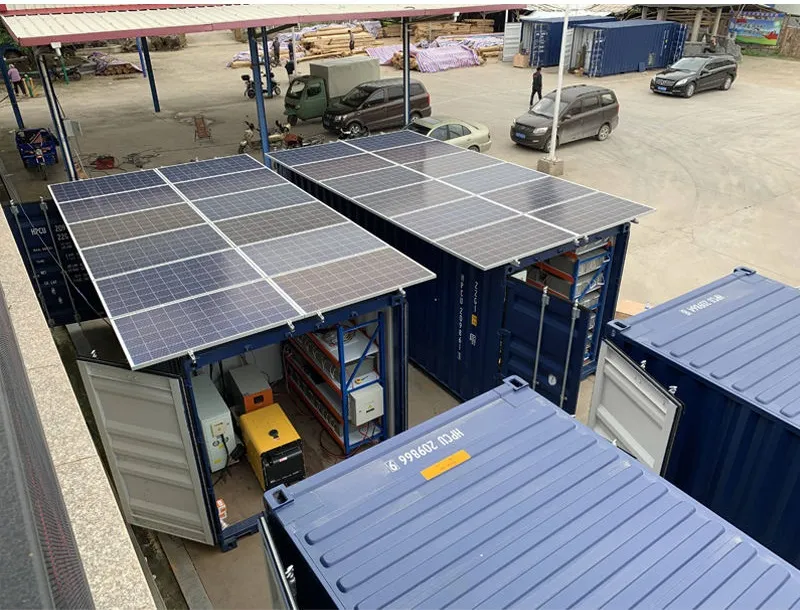
Here's the kicker: Most remote sites don't need massive amounts of power. You're not running a factory—you need to charge tools, power laptops for site plans, keep the lights on in temporary offices, and maybe run a small fridge for water. That's where 12v solar panels step in. Compact, quiet, and designed to thrive in harsh conditions, they're not just an alternative to generators; they're a game-changer for how we power remote work.