
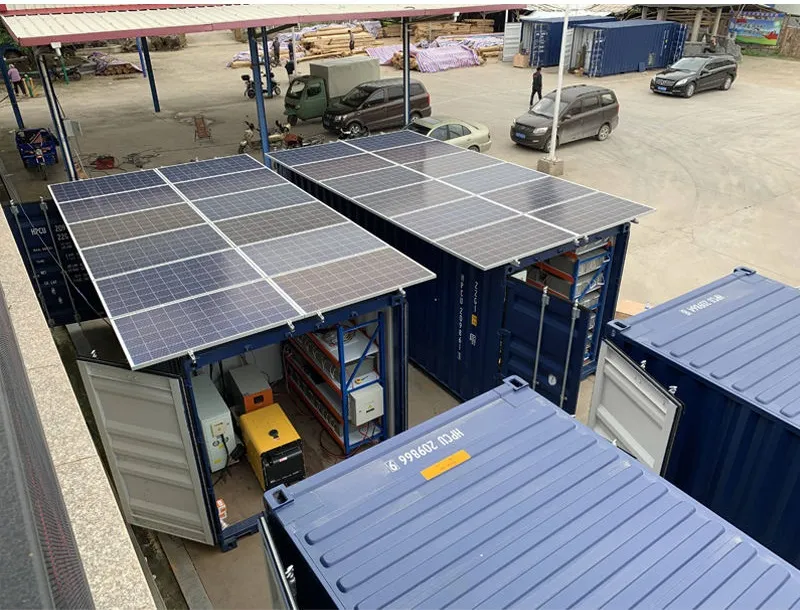
Your plain-English manual to avoiding expensive mistakes and power loss in DIY solar setups
Ever been excited about your solar project only to get that sinking feeling when staring at a tangled mess of cables? You're not alone. Choosing solar cables feels like learning electrical engineering overnight – but it doesn't have to. I've seen too many great solar setups crippled by undersized wires turning that sweet sunshine into frustration and wasted power. Let's cut through the tech-speak and get your solar system humming efficiently.
Picture trying to drink a thick milkshake through a coffee stirrer. That's what happens when solar cables are too small. Your precious power backs up, heats up, and literally burns money before reaching your batteries. Get this right, and your panels work like champs. Get it wrong, and you'll be troubleshooting voltage drops until sundown.
Last summer, I helped a guy who'd used standard extension cords for his camper solar setup. After a week, his $800 lithium battery wouldn't charge past 60%. Why? His voltage drop was so bad the controller thought the batteries were full. After swapping to proper 10 AWG PV wire? Problem vanished.
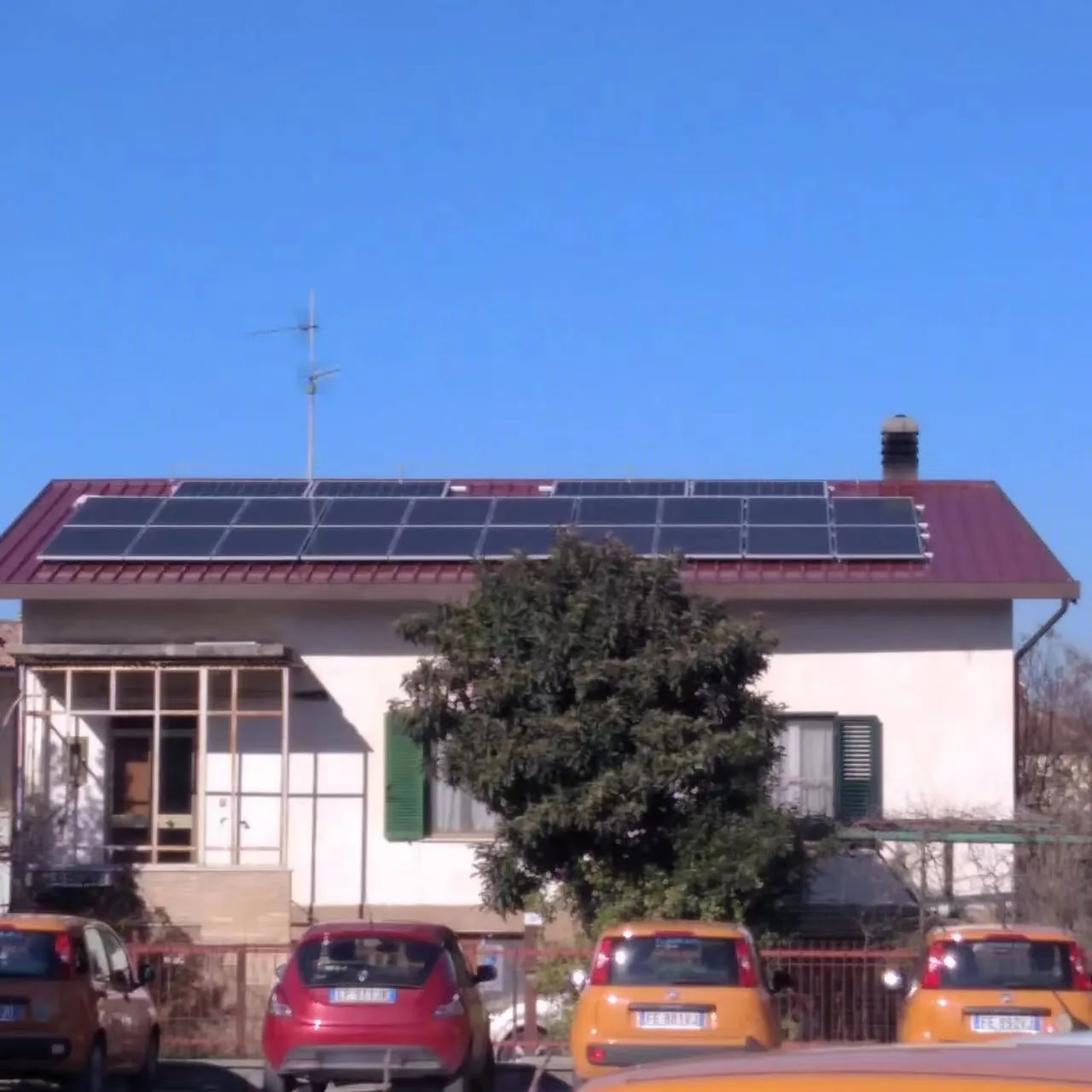
Amps are the actual flow of electricity – the muscle moving your power from panels to batteries. Think of it like water pressure in a hose:
Example for a common setup:
Electricity hates long journeys. Every foot of wire adds resistance – like friction slowing down your power flow. Rule of thumb: Measure both ways (positive to controller + negative return path). That scenic route around roof edges? It counts.
Allowable loss limits differ by system section:
Exceed these and you'll get:
For 90% of DIYers, copper wins:
| Material | Best For | Warning |
|---|---|---|
| Copper | Small/medium systems, mobile setups | Higher cost but lasts decades |
| Aluminum | Big permanent installations only | Corrosion issues, needs special connectors |
Standard wires melt in rooftop heat. Your cable must be rated for minimum 90°C and UV-resistant. Ask for "PV Wire" or "USE-2/RHW-2" ratings – anything less will crack within a year.
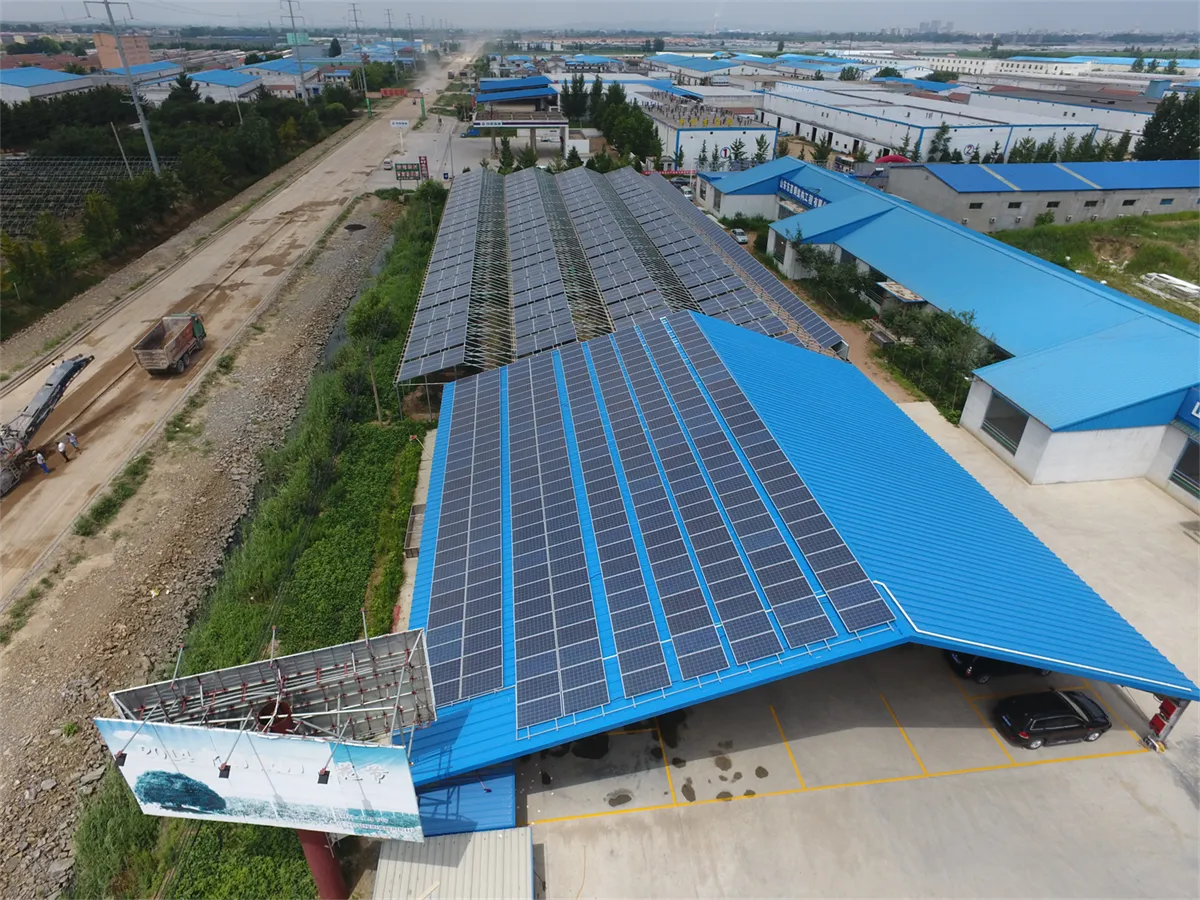
Stop guessing. Here's your go-to chart based on real-world 12V systems:
| Current (Amps) | 0-15 ft | 16-25 ft | 26-40 ft | 40-60 ft |
|---|---|---|---|---|
| 5-10A | 14 AWG | 12 AWG | 10 AWG | 8 AWG |
| 11-15A | 12 AWG | 10 AWG | 8 AWG | 6 AWG |
| 16-20A | 10 AWG | 8 AWG | 6 AWG | 4 AWG |
| 21-30A | 8 AWG | 6 AWG | 4 AWG | 2 AWG |
Typically longest, so size generously. For Renogy 200W panels:
Tiny losses here hurt batteries hard:
This pulls serious amps – no exceptions:
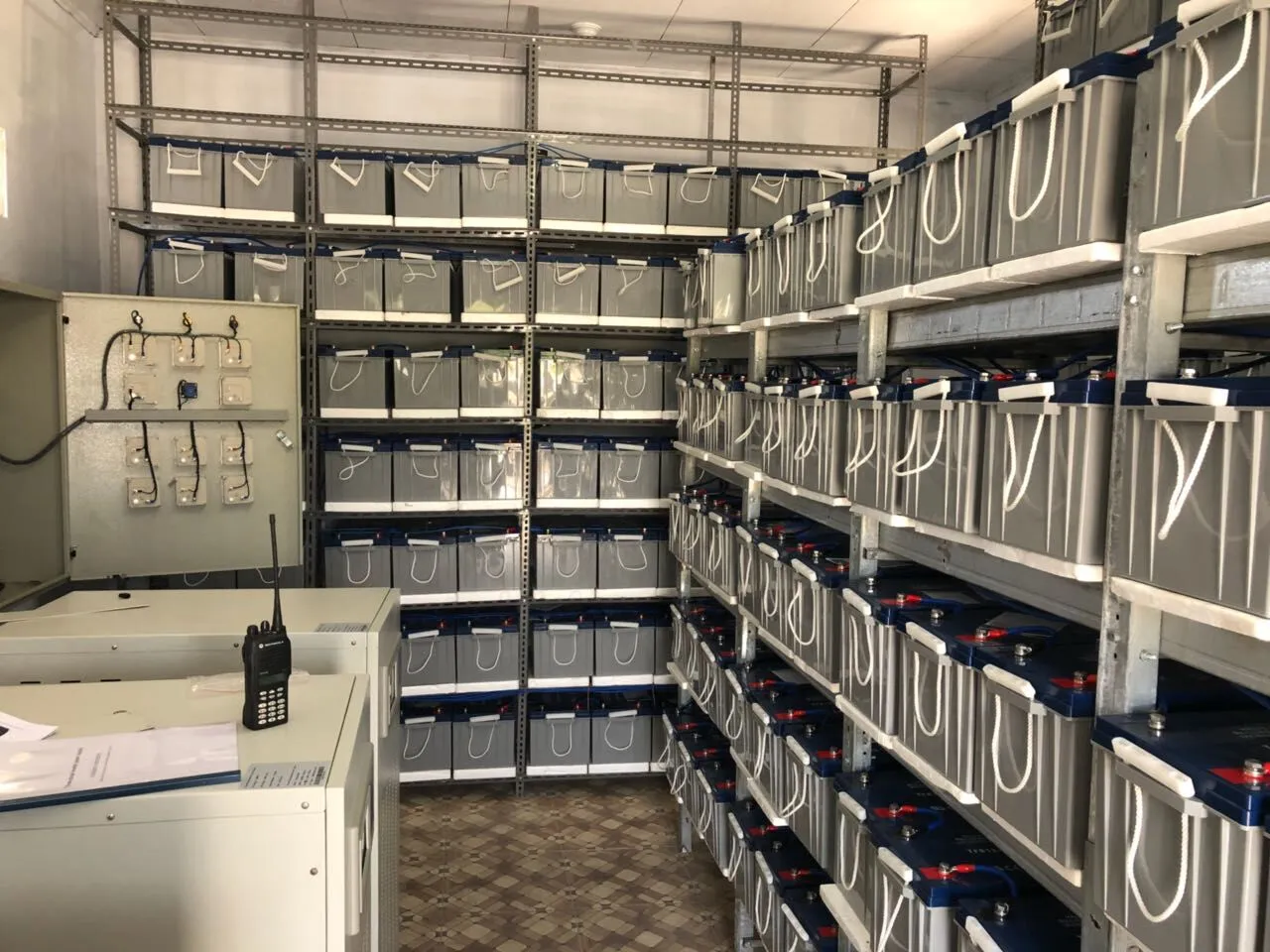
Jim tried saving $50 using regular cords – melted terminal within 2 months. House-grade wire lacks:
Copper meets aluminum? Chemical reaction begins. Solution:
I've seen MC4 connectors filled with rainwater! Avoid:
Follow this foolproof method:
Don't trust charts blindly. Free online tools factor in:
Essential checks before finalizing:
Technically yes, but oversized cables waste money and are harder to route. There's a sweet spot:
| Oversized By | Cost Increase | Actual Benefit |
|---|---|---|
| 1 gauge | 20-30% | Worth it for future expansion |
| 2+ gauges | 50-100% | Diminishing returns |
Likely one of these reasons:
Massive difference:
Parallel wiring example: Two 100W panels = double the amps → cable size jumps from 14 AWG to 10 AWG
Know your limits. Call an electrician when:
My recent audit found: 60% of failed systems had wiring errors. Invest in quality early.
Your cables aren't glamorous, but they're the veins of your solar system. Treat them right: Calculate properly, buy quality copper PV wire, overbuild by 10%, and you'll harvest sunshine trouble-free for decades.
Remember: Good solar begins with good wiring. Now get out there and build with confidence!
Recommend Products












