
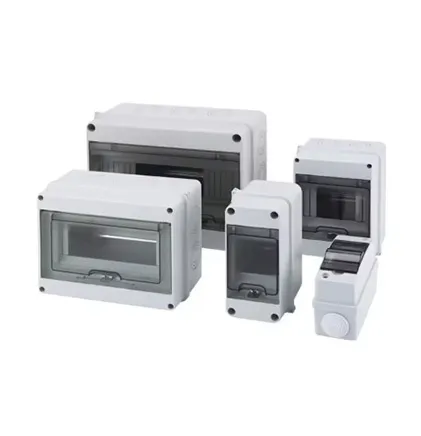
Imagine you're in the middle of a DIY project—maybe you're converting a van into a cozy mobile home, setting up a solar-powered shed in your backyard, or upgrading the electrical system for a small café. You've got all the components: solar panels, batteries, inverters, and a list of devices that need power. But there's one crucial piece missing: a way to safely and neatly distribute that 12V power where it needs to go. That's where a 12V power distribution box comes in. It's not just a box with wires; it's the unsung hero that turns chaos into order, ensuring every device gets the right amount of power without risking overloads or short circuits. And when it comes to user-friendly design that makes DIY jobs feel like a breeze, the right distribution box can turn even a beginner into a confident installer.
12V systems are everywhere these days, from recreational vehicles (RVs) and boats to off-grid cabins and home solar setups. Unlike the 120V AC power in your house, 12V DC systems are, making them safer for DIY projects—no need for an electrician's license to tinker. But "safer" doesn't mean "no risk." Without proper distribution, you could end up with tangled wires, mismatched connections, or worse, a fire hazard. A good 12V distribution box acts as the central hub: it takes power from your battery or solar panel, splits it into multiple circuits, and protects each circuit from overloads, short circuits, and reverse polarity. For DIYers, this means less time troubleshooting and more time enjoying the fruits of their labor—whether that's brewing coffee in a van or powering lights in a backyard workshop.
But not all distribution boxes are created equal. Many on the market feel like they're designed for engineers, not hobbyists—cryptic labels, tiny screws, and instructions that read like technical manuals. That's why user-friendly design has become a game-changer. Today's top models prioritize simplicity: clear labeling, tool-free connections, and built-in safety features that give you peace of mind, even if you're new to electrical work. And when you source your distribution box from a one-stop architectural solution provider like Coloria, you get the added benefit of knowing it's backed by a company that understands both the technical side and the real-world needs of DIYers and professionals alike.
Let's break down the features that turn a basic distribution box into a DIY favorite. These aren't just "nice-to-haves"—they're the details that make installation faster, safer, and less stressful, whether you're working in a cramped van or a sunny backyard.
The first thing you notice when unboxing a user-friendly distribution box is how easy it is to understand. Instead of a jumble of terminals labeled with obscure codes, you'll find clear, color-coded sections: input (for your battery or solar panel), outputs (for devices like lights, fans, or chargers), and a dedicated area for fuses or circuit breakers. Some models even have icons next to the terminals—think a little light bulb for lighting circuits or a USB symbol for charging ports. This matters because when you're up to your elbows in wires, the last thing you want is to second-guess which wire goes where. A well-designed layout turns "Where does this red wire go again?" into "Oh, that's obviously the positive input—done!"
Gone are the days of fumbling with tiny screwdrivers and struggling to tighten terminals without stripping them. Modern user-friendly boxes often use spring-loaded terminals or plug-and-play connectors. For example, some models have "push-in" terminals: you strip the wire, push it into the terminal, and it locks in place—no tools required. Others come with pre-wired pigtails that connect directly to your battery or devices via MC4 connectors (common in solar setups) or ring terminals. This not only speeds up installation but also reduces the risk of loose connections, which are a leading cause of electrical fires. Imagine finishing the wiring in 20 minutes instead of 2 hours—more time to test your setup and celebrate.
Safety should never be an afterthought, especially in DIY projects where experience levels vary. The best 12V distribution boxes come with multiple layers of protection to keep you and your devices safe:
DIY projects aren't always in climate-controlled rooms. Maybe you're installing the box under a van seat, in a damp shed, or even outdoors. That's why durability matters. User-friendly distribution boxes are built with tough materials like ABS plastic or aluminum, which resist impact, corrosion, and UV rays. Many are also IP-rated (Ingress Protection), meaning they're dustproof and waterproof to varying degrees. For example, an IP65 rating means it can withstand low-pressure water jets—perfect for outdoor setups or rainy conditions. This durability means you won't have to replace the box after a single rainstorm or a bump in the van, saving you time and money in the long run.
DIY spaces are often tight. A van conversion has limited under-seat storage; a shed might have walls lined with tools and supplies. A user-friendly distribution box won't take up more space than it needs. Many models are designed to be compact—about the size of a paperback book—with mounting brackets that let you attach them to walls, ceilings, or even the back of a cabinet. Some are even modular, meaning you can add extra output modules if you need more circuits later. This flexibility lets you start small (say, with 4 circuits) and expand as your project grows (adding 2 more for that new mini-fridge you bought). No need to buy a whole new box—just snap on an extension. Smart, right?
A user-friendly 12V distribution box isn't a one-trick pony. It's versatile enough to handle a wide range of DIY projects, from weekend hobbies to small-scale commercial setups. Let's dive into some common scenarios where these boxes make all the difference.
Van lifers know that space and reliability are everything. When you're living out of a van, your electrical system powers your lights, water pump, phone charger, and maybe even a small fridge or induction cooktop. A 12V distribution box keeps all these circuits organized and safe. For example, you might have a 10A circuit for your LED lights, a 15A circuit for the water pump, and a 20A circuit for the fridge. If the fridge draws too much power (maybe the door was left open), the circuit breaker trips, protecting the battery from draining too quickly. And with tool-free connections, you can install the box in an afternoon, leaving more time to decorate your new home on wheels.
More and more homeowners are adding solar panels to their sheds, greenhouses, or workshop spaces. These setups typically have a solar panel, a battery, and a few devices: LED work lights, a fan, or a charging station for power tools. A distribution box acts as the brain here, taking power from the solar panel (via a charge controller), storing it in the battery, and distributing it to your devices. User-friendly features like clear labeling help you connect the solar input, battery, and outputs without confusion, while built-in fuses protect the system if, say, a storm causes a power surge from the solar panel.
Even small businesses can benefit from 12V systems. Think of a pop-up café that runs on solar power: lights, a small espresso machine (converted to 12V), and a cash register. A distribution box ensures each device gets the right amount of power, and with its compact size, it can be mounted under the counter without taking up valuable space. For a saudi arabia building materials supplier like Coloria, which serves both residential and commercial clients, these boxes are part of a larger ecosystem—paired with electrical fixtures & cables and pipes fittings to create complete, turnkey solutions for small businesses.
Off-grid living is all about self-sufficiency, and your electrical system is the backbone of that. A 12V distribution box in a tiny home might connect to a solar array, wind turbine, and backup battery, distributing power to everything from the LED TV to the composting toilet's ventilation fan. Here, safety features like overload protection are critical—if a storm suddenly increases wind turbine output, the box shuts down the circuit to prevent damage. And because off-grid setups are often far from hardware stores, a durable, weather-resistant box means fewer trips to town for replacements.
Now that you know why user-friendly design matters and where these boxes shine, how do you choose the right one for your project? It's not just about picking the first box you see online. Here's what to consider to make sure you get a box that fits your needs like a glove.
Start by listing all the devices you'll power and their current draw (in amps). For example:
Each device or group of devices should have its own circuit (to prevent one faulty device from taking down the whole system). If you have 5 devices, you'll need at least 5 output circuits. Some boxes come with 4 circuits, others with 6, 8, or more. Pro tip: It's better to have extra circuits than not enough. You might think, "I only need 4 now," but next month you might add a fan or a security camera—and suddenly you're out of space.
Don't skimp on safety! Look for a box with:
Measure the area where you'll mount the box—under a seat, in a cabinet, on a wall—and check the box's dimensions. A box that's too big won't fit, and one that's too small might not have enough circuits. Also, consider access: you'll need to reach the fuses or breakers if they trip, so make sure there's space to open the cover or remove a panel.
Not all distribution boxes are made with the same quality. Opt for a box from a supplier known for reliable electrical products, preferably one that offers customer support in case you have questions during installation. And if you're sourcing other electrical components—like cables, fuses, or solar charge controllers—working with a one-stop architectural solution provider can save you time and hassle. Instead of ordering from 5 different websites, you can get everything you need in one shipment, with the added confidence that all components are compatible.
When it comes to sourcing a user-friendly 12V power distribution box (and all the components that go with it), Coloria stands out as a partner who understands both the technical details and the DIY mindset. As a one-stop architectural solution provider with decades of experience, Coloria doesn't just sell parts—they deliver complete solutions that make your projects easier, safer, and more successful.
DIY projects often require more than just a distribution box. You might need pipes fittings to protect your wiring, electrical fixtures & cables to connect everything, or even solar panels if you're going off-grid. Coloria's strength lies in its ability to all these products under one roof. Need a 12V distribution box, 10-gauge marine-grade cable, and a set of waterproof pipe fittings for your van conversion? Coloria has you covered. No more juggling multiple orders, tracking different shipments, or worrying if the cable you bought is compatible with the box. It's all there, and it's all designed to work together.
As a saudi arabia building materials supplier , Coloria knows a thing or two about harsh environments. The Middle East's extreme temperatures, high humidity, and dusty conditions demand products that can withstand the elements—and that same durability translates to DIY projects worldwide. Whether you're installing your distribution box in the scorching heat of a Saudi summer or the freezing cold of a mountain cabin, you can trust that Coloria's products are built to last. Their electrical components are tested to handle temperature ranges from -40°C to 85°C, and their distribution boxes often come with IP67 ratings (dust-tight and waterproof up to 1 meter for 30 minutes)—perfect for outdoor or damp installations.
In a world where "going green" is more than a trend, Coloria's commitment to sustainable products aligns with the values of many DIYers. Their 12V distribution boxes are made with recyclable materials, and their electrical components are designed to be energy-efficient, reducing waste and lowering your carbon footprint. For example, some models use low-loss fuses that minimize energy waste, while others are compatible with solar and wind systems—helping you build a setup that's not just self-sufficient, but eco-friendly too. It's a small choice that adds up to a big impact, whether you're powering a shed or a small business.
DIY projects don't always go smoothly. Maybe you're stuck on wiring, or you're not sure if a certain device is compatible with your distribution box. Coloria's team of experts is there to help. With decades of experience in the building materials industry, they can answer your questions, offer installation tips, and even help you troubleshoot over the phone or via email. It's like having a knowledgeable friend in the business—someone who wants to see your project succeed as much as you do.
To help you find the right distribution box for your DIY project, here's a quick comparison of three popular models from Coloria. Each is designed with user-friendliness in mind but tailored to different needs—whether you're a casual hobbyist or a serious DIYer tackling a big project.
| Model | Total Output Capacity | Output Circuits | Protection Features | IP Rating | Best For |
|---|---|---|---|---|---|
| CB-12V-4 | 20A | 4 | Overload, Short Circuit, Reverse Polarity | IP65 | Small projects: Sheds, small RVs, 2-3 devices |
| CB-12V-8 | 30A | 8 | Overload, Short Circuit, Reverse Polarity, Voltage Monitoring | IP67 | Medium projects: Van conversions, off-grid cabins, 5-6 devices |
| CB-12V-12 | 50A | 12 | Overload, Short Circuit, Reverse Polarity, Overvoltage, Undervoltage | IP67 | Large projects: Commercial pop-ups, multi-device setups, future expansion |
No matter which model you choose, you're getting a box designed to make your DIY life easier. From the CB-12V-4's compact size (perfect for tight spaces) to the CB-12V-12's advanced voltage monitoring (great for off-grid systems), there's a Coloria distribution box that fits your project like a glove.
A 12V power distribution box might not be the most glamorous part of your DIY project, but it's one of the most important. It's the difference between a setup that works reliably for years and one that's constantly tripping, overheating, or leaving you frustrated. And when that box is designed with user-friendliness in mind—with clear labels, tool-free connections, and built-in safety—it becomes more than a component. It becomes a tool that empowers you to take on bigger projects, learn new skills, and build something you're proud of.
Whether you're a van lifer chasing the open road, a homeowner building a solar shed, or a small business owner powering a pop-up shop, Coloria's 12V power distribution boxes (backed by their expertise as a one-stop architectural solution provider and saudi arabia building materials supplier ) give you the confidence to say, "I can do this." So go ahead—grab that box, gather your tools, and start building. The power is in your hands (and in that user-friendly little box).
Recommend Products












