
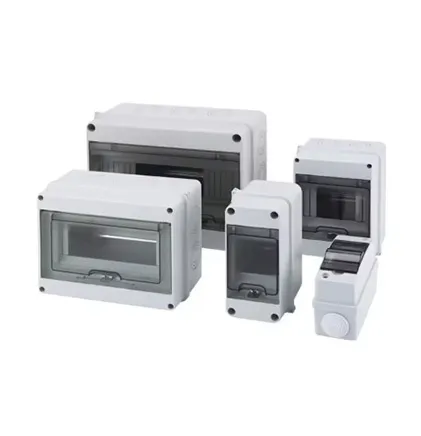
There's nothing quite like the freedom of hitting the road in an RV. Whether you're chasing sunsets across national parks or visiting family across the country, your RV is more than just a vehicle—it's a home away from home. But here's the thing: that home on wheels relies on a complex electrical system to keep everything running smoothly, from your morning coffee maker to your nightstand lamp. And at the heart of that system? The 12V power distribution box. It might not be the flashiest part of your RV, but it's one of the most critical when it comes to safety and compliance. Let's dive into why this small but mighty component deserves your attention.
Think of your RV's electrical system as a busy city. The battery is the power plant, wires are the roads, and appliances are the buildings. But without a traffic cop directing where the power goes, chaos would ensue. That's where the 12V power distribution box comes in. It's the central hub that manages and distributes electricity from your battery to all the 12V devices in your RV—things like your lights, water pump, fans, and even your phone charger.
Unlike the 120V AC system that powers your microwave or air conditioner (which usually runs off shore power or a generator), the 12V DC system is your RV's "lifeline" when you're boondocking or dry camping. It keeps essential systems running without relying on external power. And the distribution box? It's the gatekeeper, ensuring each device gets the right amount of power while protecting the system from overloads, short circuits, and other electrical hazards.
RVs aren't just cars—they're living spaces, and like any home, they're subject to safety standards. Electrical fires are one of the leading causes of RV accidents, and many of these start with poorly managed power systems. That's why organizations like the RV Industry Association (RVIA) and Underwriters Laboratories (UL) have strict guidelines for electrical components, including power distribution boxes.
Compliance isn't just about following rules—it's about protecting yourself, your family, and your investment. A non-compliant distribution box might save you a few bucks upfront, but it could lead to melted wires, damaged appliances, or even a full-blown fire. And if you're renting out your RV or using it commercially, non-compliance could also land you in legal hot water. Simply put, cutting corners on electrical safety is never worth the risk.
Not all distribution boxes are created equal. When shopping for one, there are a few must-have features to look for to ensure safety and compliance. Let's break them down:
These features aren't just "nice-to-haves"—they're essential for meeting safety standards. For example, UL 489 is a common standard for circuit breakers, ensuring they trip at the right current to prevent overloads. A compliant distribution box will meet these standards, giving you peace of mind on the road.
Even with the best intentions, many RV owners unknowingly put their electrical systems at risk. Here are some common mistakes to avoid:
When it comes to something as critical as your RV's electrical system, the quality of the components matters—and that starts with choosing a reliable supplier. You want a partner who understands the unique needs of RVs, from the vibrations of the road to the demands of off-grid living. A reputable supplier will not only offer high-quality distribution boxes but also provide guidance on selecting the right model for your specific RV and ensuring it meets all safety standards.
Look for suppliers with a track record in the industry, preferably those who specialize in electrical components for mobile living spaces. They should be able to answer questions about compliance (e.g., "Does this box meet RVIA standards?") and offer technical support if you run into issues. A good supplier will also stand behind their products with warranties, giving you added protection.
To help you find the right fit, let's compare three popular 12V power distribution box models suitable for different RV sizes and needs. This table highlights key features, so you can make an informed decision:
| Model | Amperage Rating | Number of Circuits | IP Rating | Best For |
|---|---|---|---|---|
| Compact Series 30A | 30A | 6 | IP65 | Small RVs, camper vans, or pop-up trailers with basic 12V needs (lights, water pump, phone charger) |
| Standard Series 40A | 40A | 10 | IP67 | Mid-sized motorhomes or travel trailers with additional devices (fans, TV, portable fridge) |
| Pro Series 50A | 50A | 15 | IP68 | Large Class A motorhomes or full-time RVs with high-draw devices (inverters, solar charge controllers, multiple appliances) |
Remember, the right model depends on your RV's size, the number of 12V devices you use, and where you typically camp. If you're unsure, consult with a certified RV technician or your supplier—they can help you calculate your power needs and recommend the best box.
Installing a 12V power distribution box isn't rocket science, but it does require careful attention to detail. Here's a step-by-step guide to ensure a safe and effective installation:
Maintenance is just as important as installation. Here's how to keep your distribution box in top shape:
To drive home the importance of a reliable 12V power distribution box, let's look at a real-life example. Meet Sarah, an avid RVer who spent months planning a cross-country trip with her family. She'd owned her used travel trailer for a year and had never given much thought to the electrical system—until one rainy evening in a remote campground.
Sarah was using her 12V water pump to fill the sink when she heard a popping sound from under the dashboard. The lights flickered, and the pump shut off. She checked the fuse box (which was actually an old, unlabeled distribution box) and found a melted fuse. Thinking it was a fluke, she replaced the fuse with a higher-amperage one she had on hand. The next morning, she noticed a burning smell and found that the wiring behind the box had overheated, leaving blackened insulation.
Thankfully, Sarah caught the issue before it turned into a fire. She took her trailer to a shop, where the technician explained that the old distribution box was outdated and didn't have proper overcurrent protection. The melted fuse was a warning sign, and using a higher-amperage fuse had only made things worse. She replaced the box with a new, compliant model, and the technician helped her label the circuits and check all connections.
"I never realized how important that little box was," Sarah said later. "Now I check it every month, and I feel so much safer knowing my family isn't at risk of an electrical fire. It was a small investment that gave me peace of mind for our trips."
Your RV is all about freedom and adventure, but none of that matters if you're not safe. The 12V power distribution box is a small but critical part of your RV's electrical system, working behind the scenes to keep you, your family, and your home on wheels protected. By choosing a compliant, high-quality box, installing it properly, and keeping up with maintenance, you can focus on what really matters—making memories on the road.
So, the next time you're prepping for a trip, take a few minutes to check your distribution box. Look for signs of wear, ensure fuses are the correct size, and make sure all circuits are labeled. If you're unsure about its condition, consult a professional. After all, a little proactive care today can prevent a big problem tomorrow.
Safe travels, and may your RV adventures be filled with joy, not electrical worries!
Recommend Products












