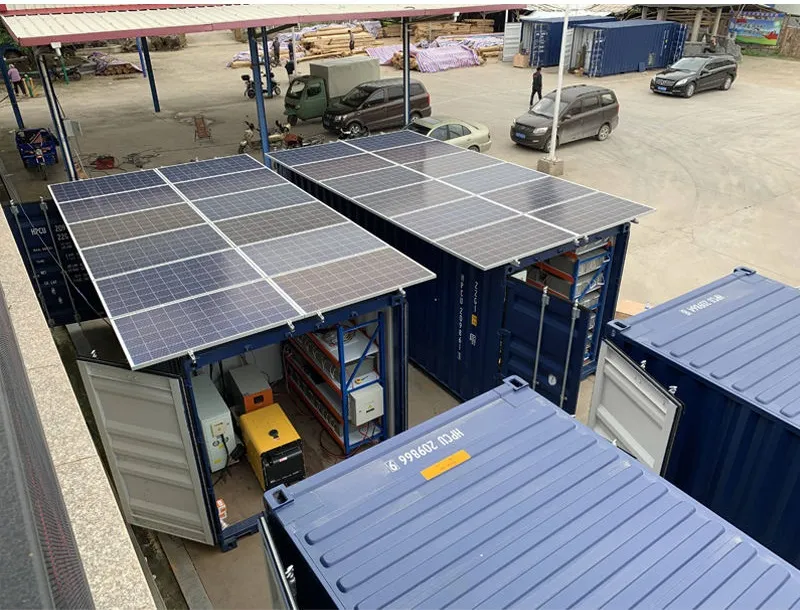
Let's talk about something every solar panel owner eventually faces: keeping those panels sparkling clean. It might not seem like a big deal at first, but dirty panels are like trying to drink a smoothie through a clogged straw—frustrating and inefficient. Solar panels work by converting sunlight into electricity, and when they're covered in dust, pollen, bird droppings, or anything else Mother Nature throws at them, their efficiency drops significantly.
Think about your car windshield. When it's dirty, you use more wiper fluid and struggle to see clearly. Same principle with solar panels—when they're dirty, they produce less power. Studies show dirty panels can lose 15-25% efficiency, and in really bad cases, up to 50%! That's money literally washing away with every rainfall that isn't heavy enough to clean them.
We'll walk through everything from safety basics and simple DIY cleaning to professional solutions. You'll learn when to clean, what tools to use (and avoid!), and clever tricks for hard-to-reach panels. Whether you've got a small rooftop setup or a ground-mounted solar farm, these tips will help you maintain peak performance year-round.
Solar panels operate best when sunlight can directly hit their photovoltaic cells without obstruction. When dirt builds up, it scatters light and reduces absorption. Here's what typically accumulates:
Real-world impact: A study by the University of California found panels cleaned monthly produced nearly 15% more power annually versus seasonal cleaning. That's like getting almost two months of free electricity each year!
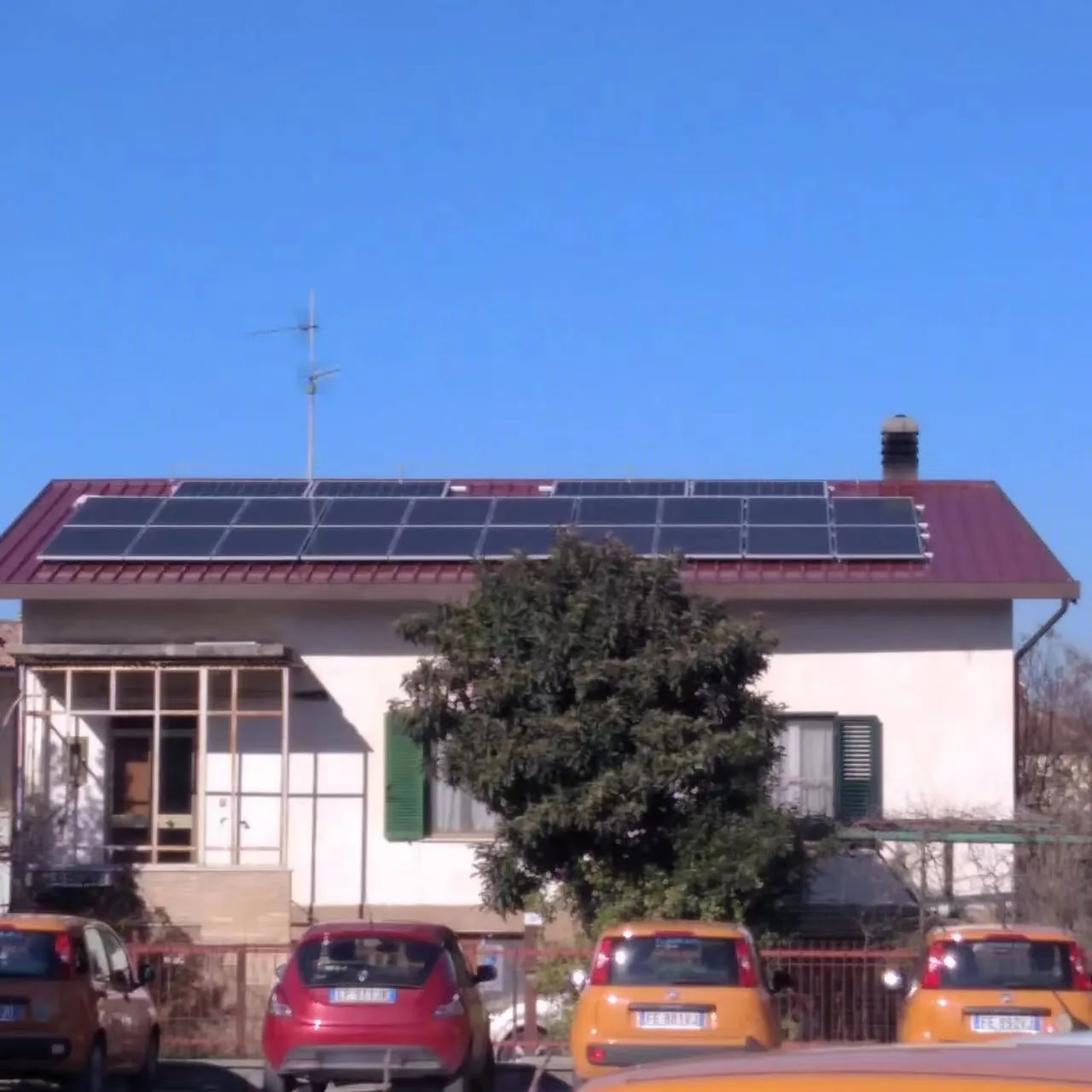
Roof work is statistically more dangerous than most home projects. Invest in proper equipment:
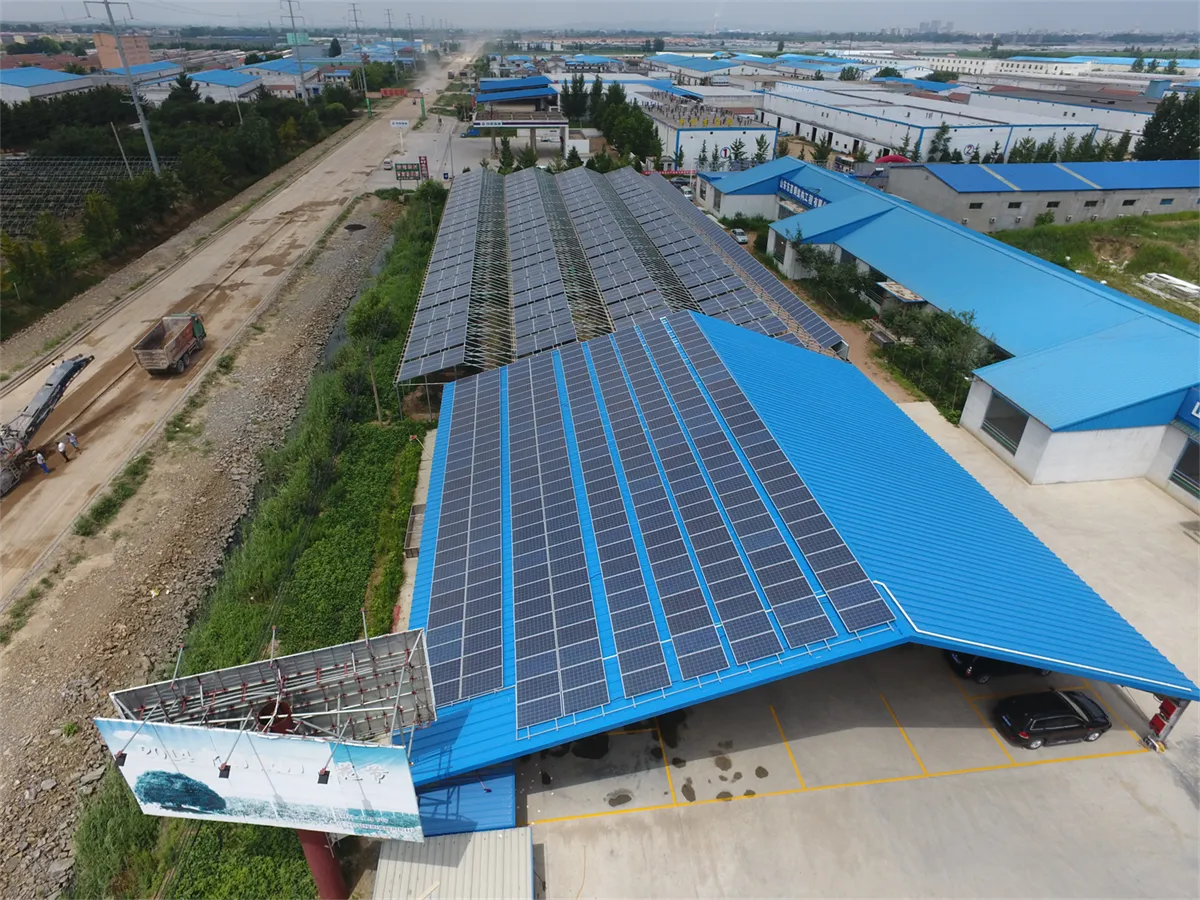
Start without water to avoid making mud pies on your panels:
Pre-wetting avoids scratches when washing:
Pro Tip: Collect rainwater for rinsing! It's naturally soft and mineral-free, preventing water spots. Just use a barrel system—your plants will love the overflow too.
Create your cleaning solution (no harsh chemicals!):
Apply with:
Finish strong for streak-free performance:
For problem spots that won't budge:
For icy climates:
Finding the cleaning sweet spot:
Monitoring Trick: Use your system app! Track daily output—when you notice consistent 10-15% drops from seasonal averages, it's cleaning time.
| Environment Type | Recommended Frequency | Best Months |
|---|---|---|
| Urban/Suburban | 2-3 times/year | Apr, Jul, Oct |
| Rural/Farm | Quarterly | Mar, Jun, Sep, Dec |
| Coastal | Every 2 months | All year (salt spray) |
| High-Pollen Zones | Monthly (spring) | Mar-May |
Save water while maximizing efficiency:
When to call the experts:
Cost Analysis:
Technology Integration: Pair cleaning with monitoring using products like SolarEdge or Enphase apps that flag performance issues.
Measure before/after cleaning:
Example calculation: 5kW system produces 30kWh/day average pre-cleaning, 35kWh/day post-cleaning. That 5kWh/day difference = ~$1.50/day savings = $550/year!
Regular solar panel maintenance isn't just chores—it's protecting your energy investment. Spending a few hours each season can yield hundreds in annual savings while extending your system's life. Remember to always prioritize safety, use proper tools, and track performance changes to optimize your schedule. For those challenging jobs, don't hesitate to call qualified technicians. When you keep those panels clean, you'll maximize returns for years to come.
Implementing these sustainable building solutions including smart solar panel care contributes to both home efficiency and our collective environmental responsibility. Clean panels generate maximum green power—for your wallet and our planet!
Recommend Products