
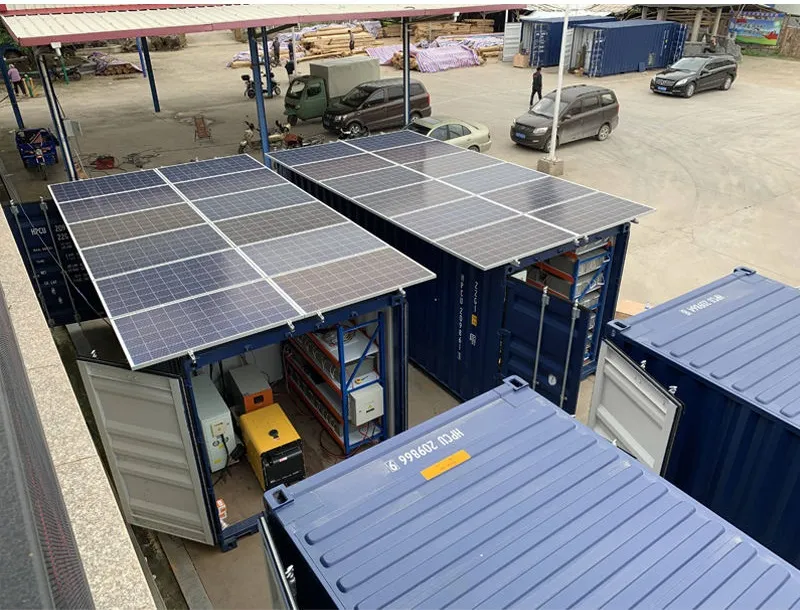
Have you ever wondered how long your solar panels will actually last? It’s a question that pops into almost every homeowner's mind when they think about investing in green energy. After all, solar panels aren’t cheap—they're a big financial commitment. Yet, with all the talk about renewables and reducing carbon footprints, the longevity of these panels becomes super important.
Let's dive into the fascinating world of solar panel durability. I'll unpack all the nitty-gritty details like how manufacturing quality, weather conditions, maintenance practices, and technological innovations affect how long these panels stick around.
First, the basics: most high-quality solar panels come with a standard lifespan of 25 years. That’s pretty solid—imagine buying a car and knowing it’ll be humming along reliably for a quarter-century! But here's the kicker: many panels last way beyond that, even up to 30 or 40 years.
Why the big range? It all comes down to the degradation rate. Think of this as how much your panel’s efficiency drops over time. On average, panels lose about 0.5%-0.8% of their efficiency every year. So, if your panel starts with 98% efficiency (which is stellar by the way), after 25 years, it’ll still be chugging along at around 78% efficiency. That’s like baking bread with a slightly older oven—it still works great!
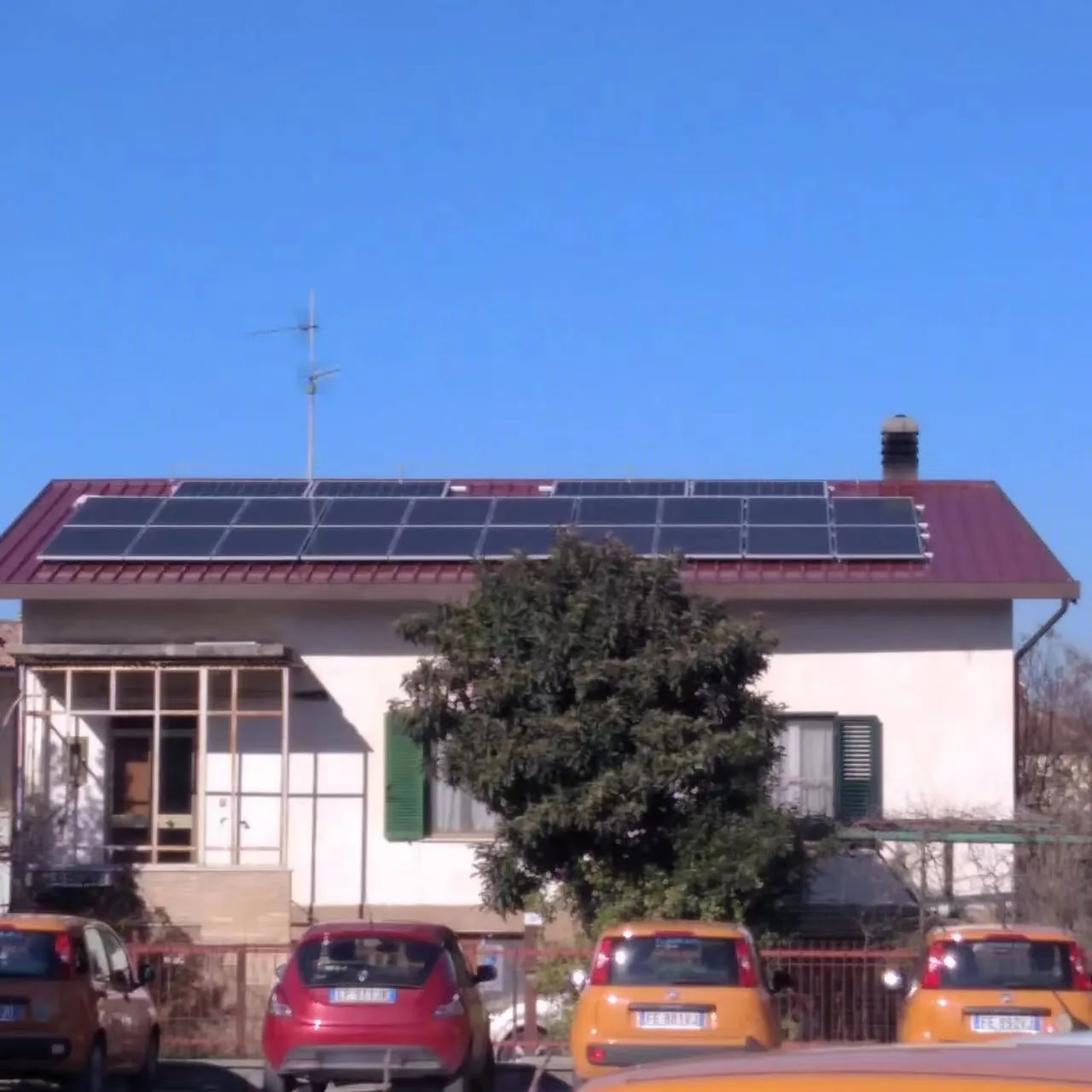
Not all panels are created equal, and the difference boils down to how they’re made. Monocrystalline panels—the premium ones—tend to last longer because they’re built using high-purity silicon. They're rock-solid and way more resilient to heat and weather, especially if you live somewhere with fierce storms or crazy temperatures.
Then there’s the environment itself. If you live near the ocean, salty air can corrode the components over time. Hot climates? Heat can stress out the panels and speed up degradation. And snow? Heavy piles of it can actually physically damage panels if they pile up too much.
Maintenance plays a huge role too. Cleaning debris like dust and bird droppings isn't just about vanity—it affects your panel’s output. And having a pro check on your system every couple of years can identify tiny issues before they become big, costly problems.
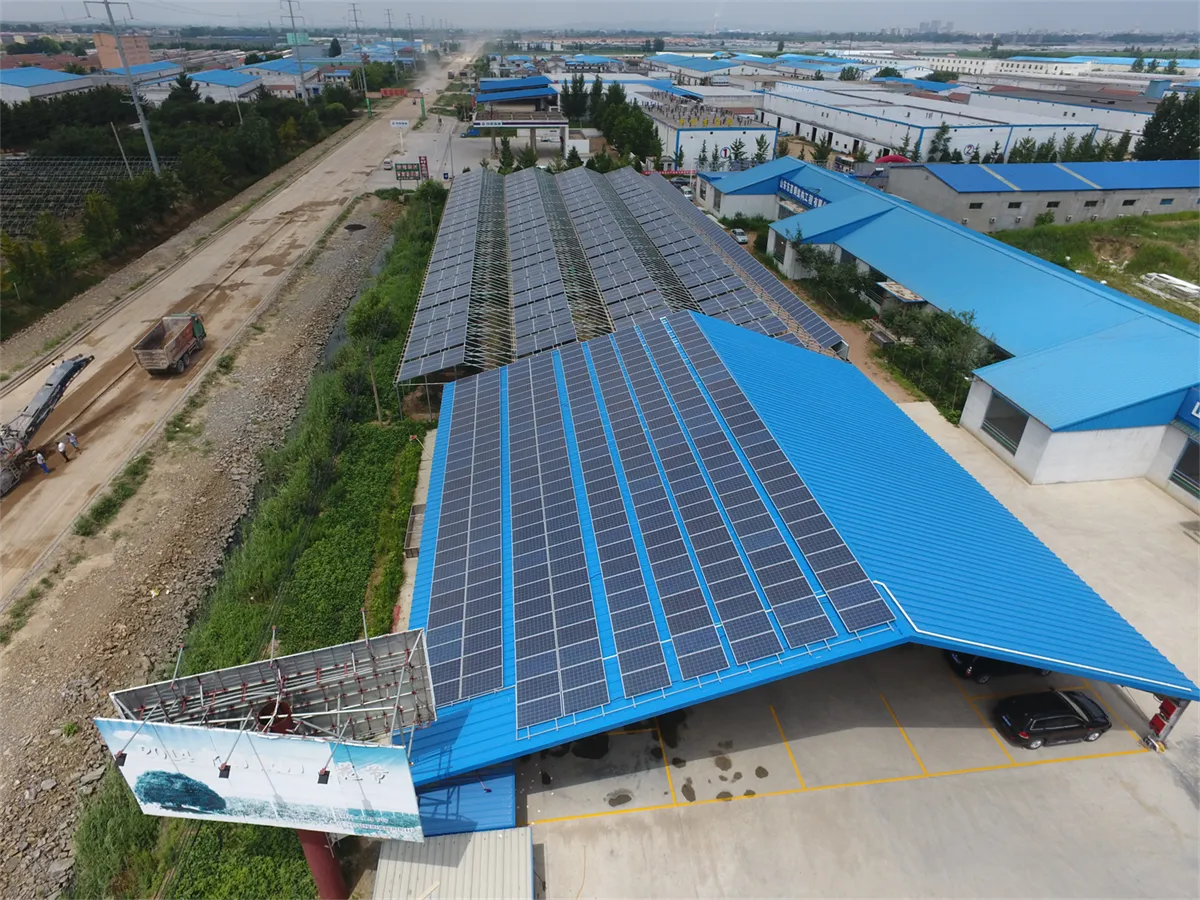
Myth: “Solar panels are done once their warranty expires.” Not a chance! Most top-tier manufacturers provide warranties of 25 years on power output. That doesn’t mean your panel conks out the day after the warranty runs out—it just means degradation is gradual and predictable. You can bet they'll still be pulling their weight years later.
Myth: “They break easily.” Actually, solar panels are built tough. Those glass sheets are reinforced to withstand hailstones the size of golf balls, and the frames are sturdy aluminum. Plus, since they don't have moving parts, there’s less to fail mechanically.
The solar industry isn’t sitting still—it’s buzzing with innovation aimed at making panels last longer. Take bifacial panels, for example. These sleek designs generate power from both sides and have lower degradation rates than their older cousins. Or think about modules with better encapsulation—materials that shield the inner cells from moisture and UV damage.
Another area where technology is making huge strides is in recycling. Old panels contain valuable stuff like silicon and silver. Companies are developing cool, efficient ways to recover these materials sustainably—giving us a win-win for your pocket and the planet.
Getting 25+ years out of a solar system is a massive payoff. It reduces electricity bills every single month, slashes your carbon footprint for decades, and pays back your investment many times over. And if you choose to upgrade when better tech comes around? Awesome—those old panels will still keep doing their thing in someone else's home.
But the benefits go beyond you—it’s also about building a brighter future globally. Imagine if developing countries got their hands on affordable, long-lasting panels. Entire neighborhoods could leapfrog into sustainable, modern energy setups without breaking the bank.
Researchers are digging deep to push solar panel lifespans even further. From experimenting with perovskite solar cells to engineering silicon crystals differently, the dream scenario? Panels that last 50 years with barely any loss in efficiency. Yeah, I know—it’s mind-blowing!
In the meantime, the solar industry’s commitment to sustainability keeps growing stronger. Policies pushing for greener recycling will become more common, making solar an even bigger part of the puzzle against climate change.
In wrapping up, solar panels are designed to stick around—typically more than 25 years—with care and modern tech. They’re a solid investment that makes both economic and environmental sense. Whether you're a homeowner or a business, it's one of those decisions where you feel good about it now and reap rewards later.
Got questions? Wanna share your own solar journey? drop your thoughts below—I’m all ears!
Recommend Products












