
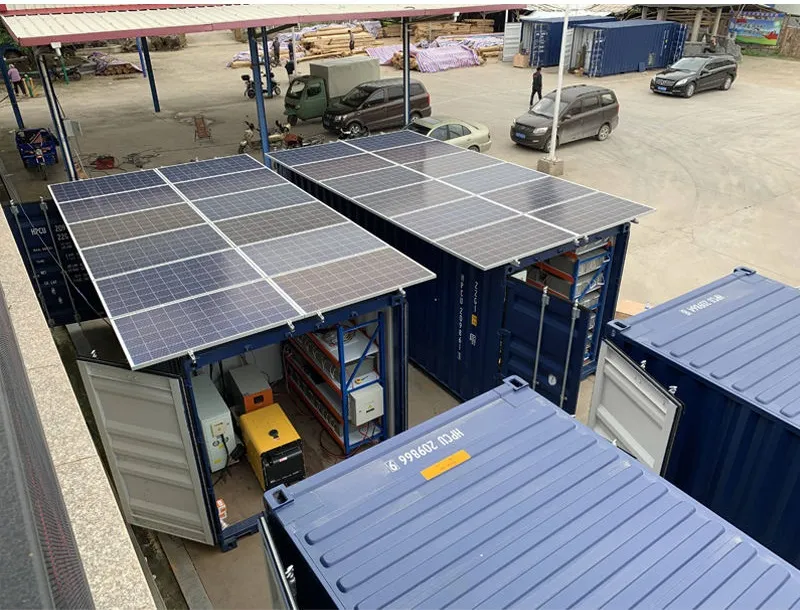
Ever noticed how your solar panels seem to have mood swings with the weather? One bright sunny day they're humming with energy output, the next cloudy afternoon they're just coasting. Let's break down exactly how clouds, rain, and snow impact your residential solar panels and what you can do about it.
Before we dive into weather impacts, let's quickly cover the basics. Your solar panels contain photovoltaic cells that convert sunlight into electricity. When photons from sunlight hit these cells, they knock electrons loose from atoms. This creates direct current (DC) electricity, which your inverter converts to alternating current (AC) for home use.
The efficiency dance between sunlight and electricity comes down to three main factors:
That's why weather conditions dramatically change the game - they fundamentally alter how these three factors play out through different seasons.
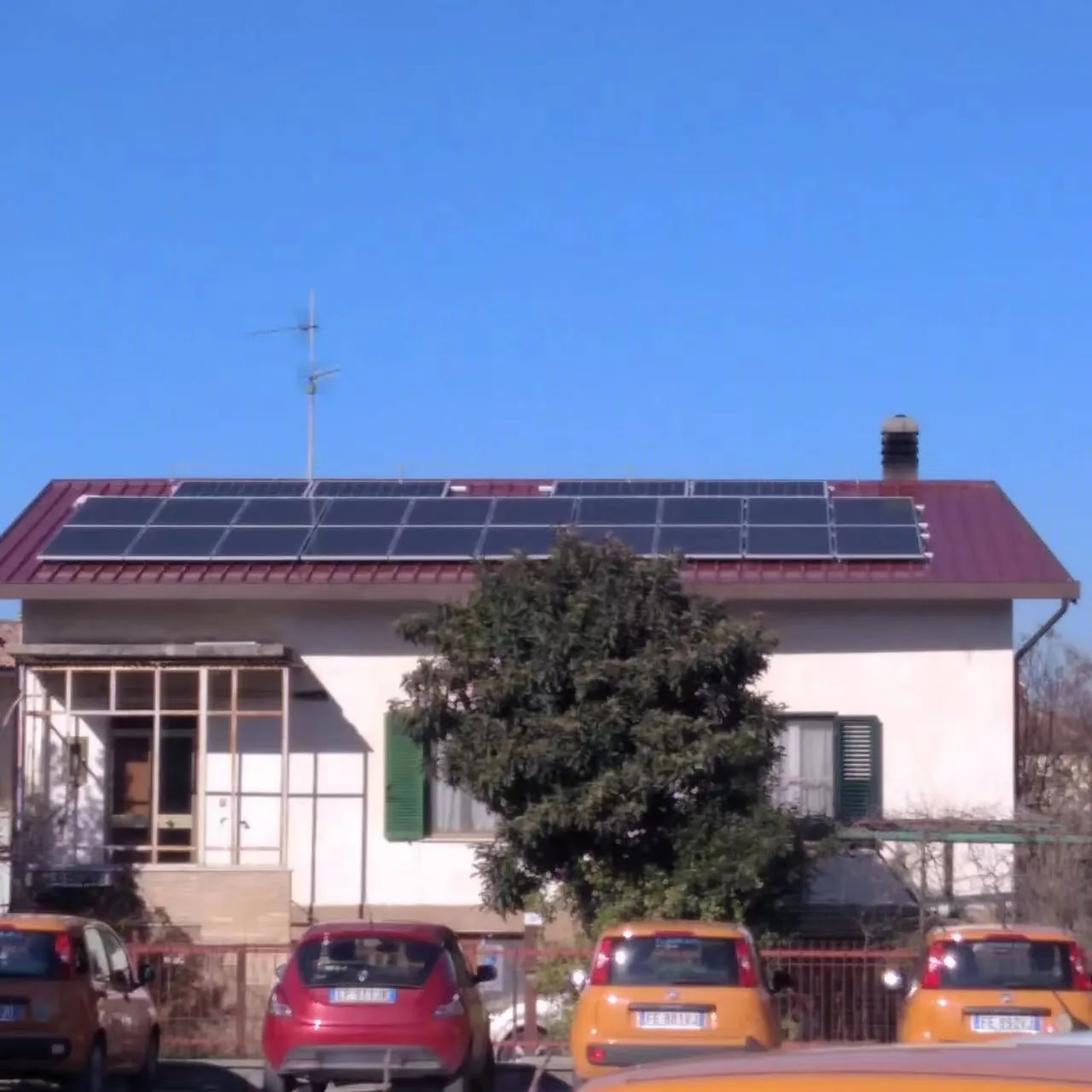
Not all cloudy days are created equal when it comes to solar performance:
Ever get spikes in production when it's partly cloudy? That's the "cloud edge effect" where sunlight reflects off the edges of clouds, concentrating light. It can actually temporarily boost output by 10-15% beyond normal clear sky performance! Those surprise peaks are nature's little bonus.
What most homeowners don't realize is that modern high efficiency solar panels (like those featuring PERC technology) perform surprisingly well even under significant cloud cover. While traditional panels might slump to 30% capacity, these premium panels can maintain 40-50% output thanks to their ability to capture diffuse light more effectively.
The key takeaway? Don't panic when clouds roll in. Unless you're dealing with an exceptionally thick, dark storm system, your panels are still working for you. And that occasional cloud edge boost adds up over time.
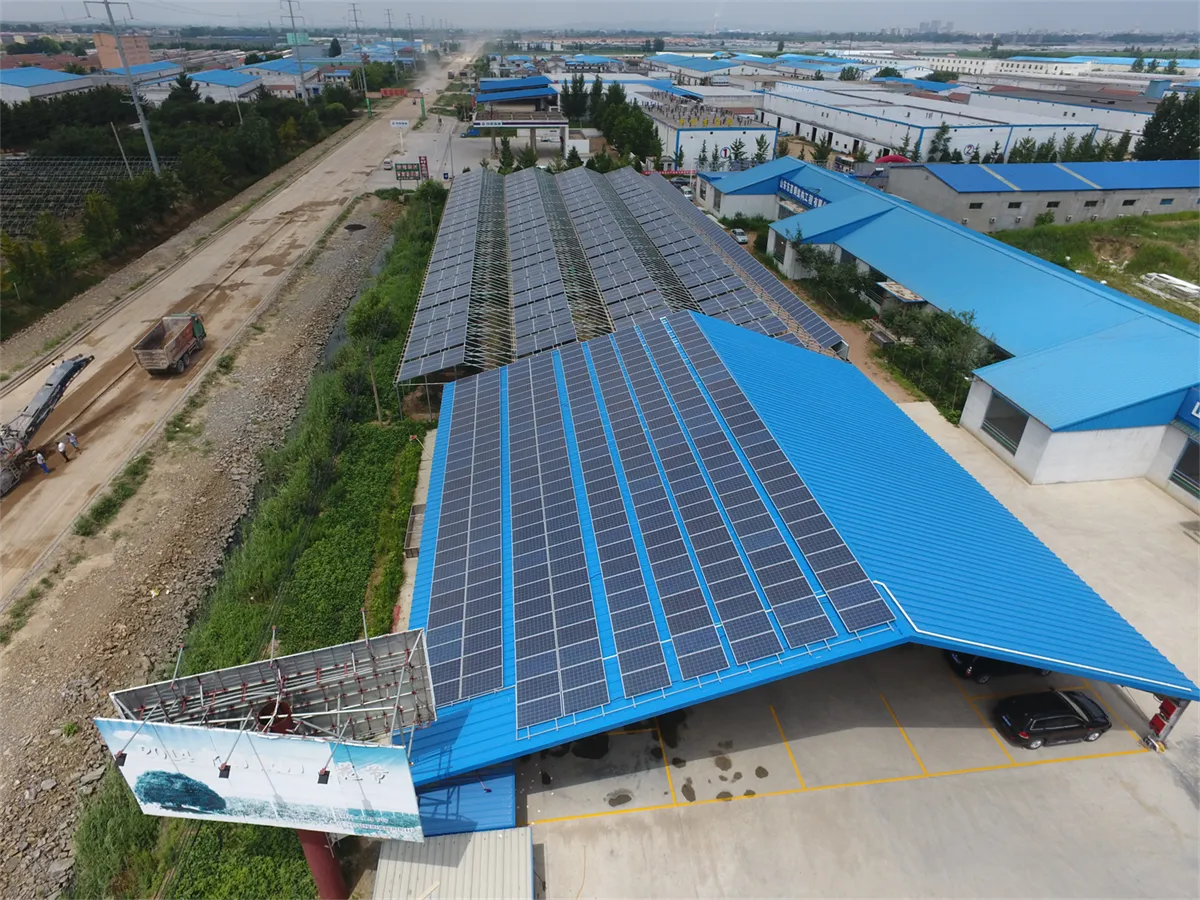
Here's what most solar newcomers get wrong: obsessing over daily performance. Yes, cloudy days mean lower output. But solar energy systems are designed around annual averages. Smart installers calculate production based on historical weather patterns for your specific location.
Real Talk : Solar panels installed in famously cloudy Seattle still produce about 75-80% of what the same system would generate in sunny Arizona. Why? Because the panels actually work better at cooler temperatures (which Seattle has plenty of).
Rain gets a bad rap with solar, but it's actually one of your panel's best friends. Here's why:
Dust, pollen, bird droppings - they all accumulate on your panels, creating a thin film that blocks sunlight. Rain provides a free deep clean. Studies show a good rain can restore up to 10% lost efficiency from dirty panels.
Solar panels get hot - sometimes 30°F hotter than ambient temperatures. That heat actually reduces efficiency. Rain provides instant cooling, allowing photons to convert more efficiently. You might see efficiency bumps of 0.3-0.5% per degree cooled.
Of course, when the rain is heavy and skies are dark, production takes an immediate dip. But the before-and-after effect is net positive. The key is consistent maintenance - in very dry climates, you'll occasionally need to clean panels manually to get that rain-like cleaning effect.
| Dust Accumulation | Efficiency Loss | Restored After Rain |
|---|---|---|
| Light dusting | 3-6% | 100% restoration |
| Moderate build-up | 7-15% | 90-100% restoration |
| Heavy soiling | 15-25% | 70-90% restoration |
Snow presents the most complex relationship with solar panels. It's a double-edged sword that requires careful management:
Any snow covering your panels blocks sunlight completely. Even a light dusting can halt production until it clears. Heavy accumulation needs to slide off naturally or be carefully cleared.
When snow is on the ground but not on panels, it creates the "albedo effect" - reflecting sunlight that wouldn't normally hit your panels. This can boost winter production by up to 30% on clear days.
The key is installation angle. Most residential solar panels are installed at an angle between 30-45 degrees. This is steep enough that snow typically slides off once enough accumulates, usually with only 1-2 inches of snowfall. Panel surfaces heat up enough to start a melting layer between snow and glass, letting gravity do its job.
Let it melt naturally: Unless you got a major snowfall (6+ inches), panels usually self-clear within 24-48 hours as the dark surface absorbs heat.
Gentle sweeping: If you must clear snow, use a soft roof rake with a foam blade. NEVER use metal shovels or scrapers that might scratch the glass.
Spring melt strategy: Position panels to face south if possible - snow clears fastest on south-facing installations.
Resist the urge: Don't salt your panels! The corrosive effect can damage frames and degrade performance long-term.
Here's the surprise most homeowners don't see coming: cold weather actually makes solar panels work better. For every degree drop below 25°C (77°F), panels gain about 0.3-0.5% efficiency. Why?
That's why your panels might outperform expectations on crisp, cold winter days with clear skies. The combination of cold temperatures and reflected sunlight off snow (albedo effect) creates surprisingly productive conditions.
Cold Reality Check: While panels perform better in the cold, winter days are shorter meaning less production time. The net effect is typically lower winter output despite the per-hour efficiency boost.
Bifacial panels capture reflected light from the ground, boosting cloudy and snowy day performance by 10-30%. They're especially effective in snowy regions where ground reflection is high.
Advanced inverters from companies like SolarEdge optimize energy flow at the panel level. When some panels are shaded by snow or clouds, others automatically compensate. Microinverters prevent "weakest link" syndrome from affecting the whole array.
Beyond equipment selection, your installation approach matters:
| Strategy | Cloud Benefit | Rain Benefit | Snow Benefit |
|---|---|---|---|
| Steeper installation angle | Minimal | Improved self-cleaning | Enhanced snow shedding |
| Ground mount instead of roof | Minimal | Much easier cleaning | Simplified snow clearing |
| Panel-level electronics | Reduce shading losses | Minimal | Minimize snow impacts |
| Higher quality panels | Better diffuse light use | Reduced soiling impact | Improved snow performance |
Looking ahead, manufacturers are developing exciting solutions to weather challenges:
The ultimate reality? Residential solar panels are more resilient than ever to weather challenges. Systems installed just 5-7 years ago would be more impacted by cloudy conditions than today's models. As technology continues improving, the weather gap will keep narrowing - making solar a smart investment regardless of your local climate.
Don't fear clouds : Modern panels handle diffuse light surprisingly well
Embrace the rain : It's your free panel cleaner and cooling system
Understand snow dynamics : Let gravity do the work on angled installations
Remember seasonal balance : High-summer production makes up for winter dips
Monitor carefully : Use your app to understand weather patterns
At the end of the day, solar energy isn't just about perfect conditions - it's about making the most of whatever weather comes your way. And with today's resilient panels and smart systems, you'll generate clean energy through light rain and heavy snow alike.
Recommend Products












