


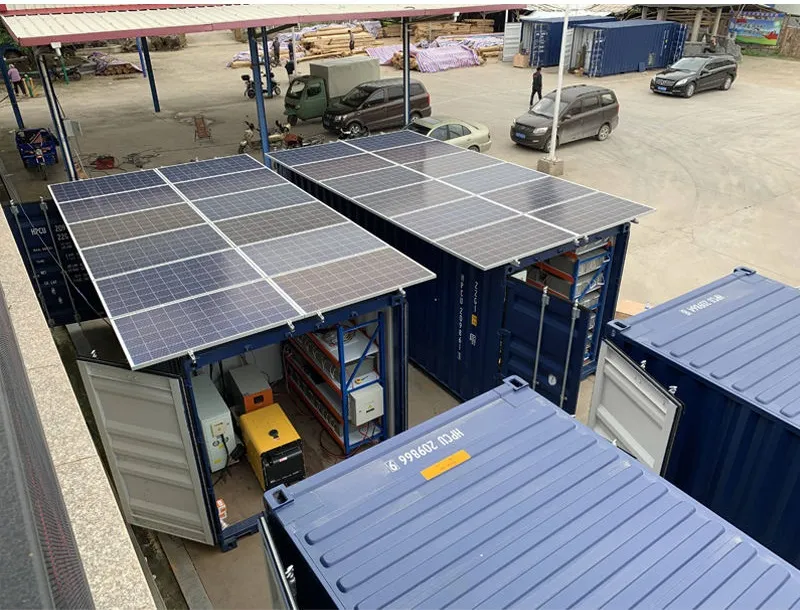
Picture this: solar panels that soak up sunlight from both sides. Sounds futuristic? That's the magic of bifacial solar panels. These two-faced marvels capture direct sunlight on their front while scooping up reflected rays from surfaces below. It’s like getting a bonus energy boost without extra space. Whether you're powering a farm or a city rooftop, these gems are changing how we harness the sun.
How Bifacial Panels Beat the Standard Ones
While traditional panels do a decent job facing the sky, bifacial models flip the script with their transparent backsheet. Light bounces off surfaces like snow or concrete, gets absorbed, and increases efficiency by up to 30%. That’s not just a slight upgrade—it’s a revolution in energy generation. Think of it as catching raindrops with both hands instead of one.
You won't find bulky frames here. The sleek design cuts glare and blends naturally into carports or agricultural setups. Plus, they handle tough weather better. Raindrops? Snow buildup? These panels let precipitation slide right off.
When These Panels Shine Brightest
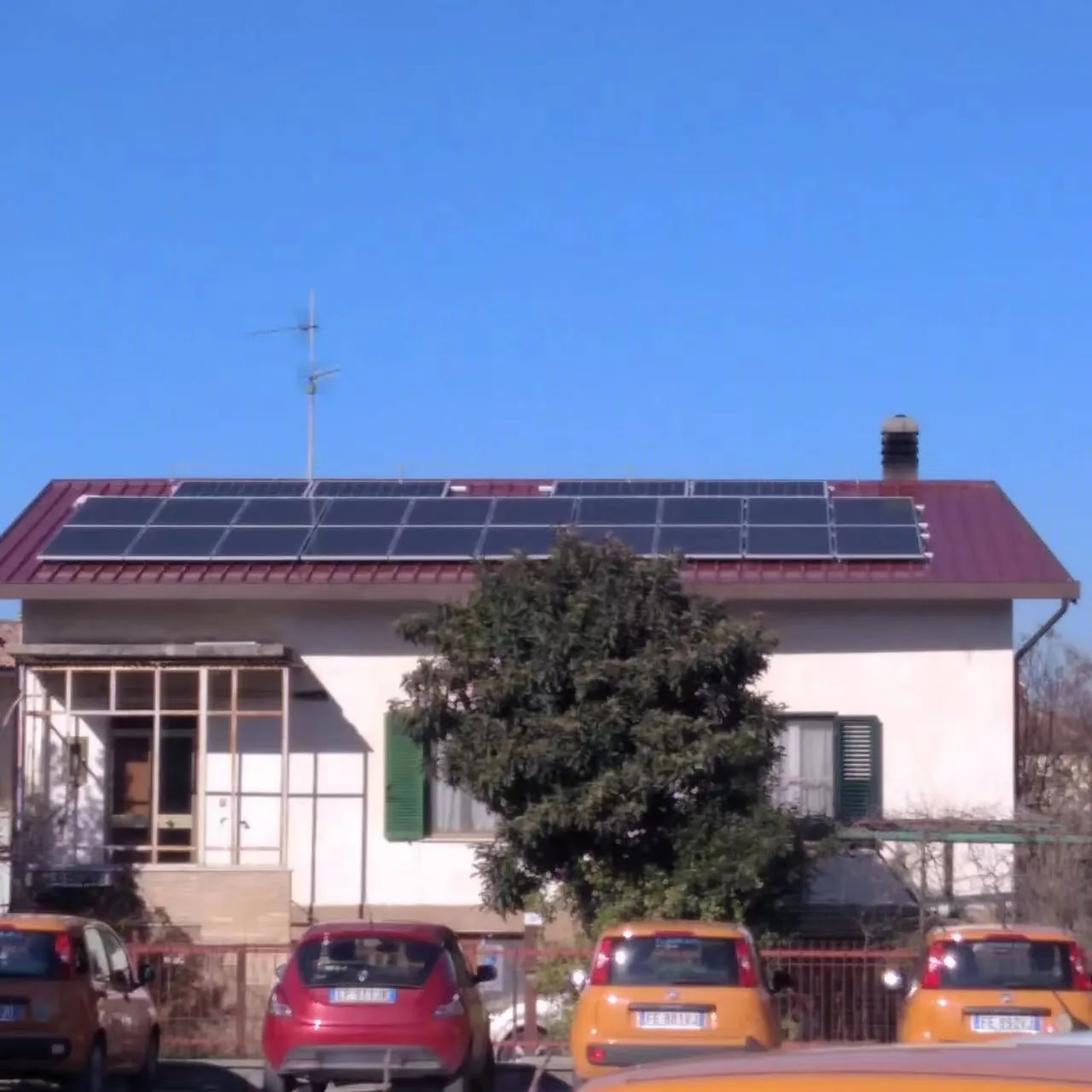
Got a beach house? White sand acts like a giant mirror supercharging your panels. Living near snowy mountains? Winter suddenly boosts your energy output instead of slowing it down. Even urban spaces with concrete jungles get a lift. These aren’t just niche products—they’re versatile performers.
Commercial spaces and solar farms have been quick adopters. Why? Elevated installations maximize ground reflections. Some industrial setups saw returns increase by 20% simply by mounting panels higher. **Solar panel suppliers** like those serving Saudi Arabia report soaring demand for bifacial options in desert projects—where sand reflections juice up the output big time.
The Installation Dance: Getting It Right
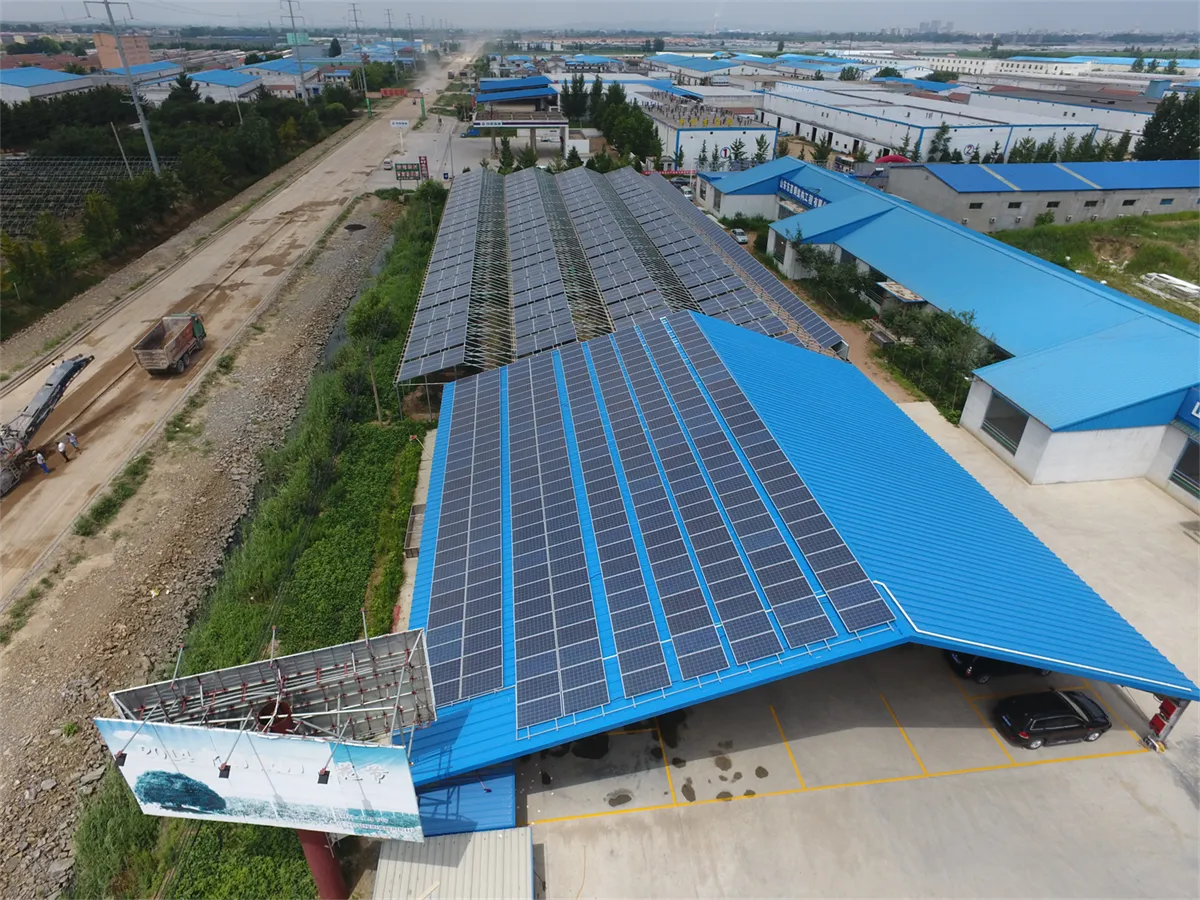
Unlike conventional panels where you just point them south, bifacial setups need finesse. Tilt angle matters more because you’re playing with reflections. Too steep? You lose ground light. Too flat? Front-side absorption drops. Optimal angles vary—Alaska and Arizona setups look nothing alike.
Mounting height is another game-changer. Lifting panels three feet instead of one can bump efficiency by 15%. And don’t forget surface color: light-reflecting materials beneath panels matter more than you’d think. Gravel beats grass; concrete beats everything else.
Smart Moves: Long-Term Perks Outweigh Costs
Yes, you’ll pay 5-20% more upfront. But that’s like buying a fuel-efficient car—you earn it back. Durability also wins: no aluminum frame means less corrosion over decades. Real-world data shows these panels outperforming forecasts year after year.
Maintenance is easier too. No backside grime buildup when dirt rinses off naturally. Farms using them as crop covers even report cooler microclimates underneath—double duty as shade providers while generating power.
The Future Looks Two-Sided
As costs keep dropping and efficiency climbs, bifacial tech is poised to dominate. Countries like Spain and Australia already offer incentives for installations, and manufacturers like those powering forward with innovations are racing to improve light-trapping cells and anti-dust coatings.
Cities exploring solar highways? These panels might just be the answer, capturing light from both sun and vehicles below. It’s not just about saving money—it’s about reshaping our energy landscape one double-sided panel at a time.










