
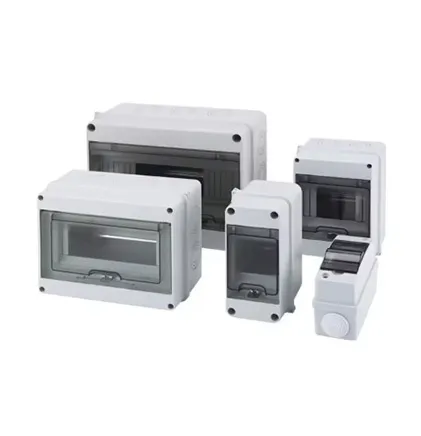
In the complex ecosystem of a construction project, some components quietly hold the power to make or break success. The 12 volt power distribution box is one such unsung hero. Tucked away in utility rooms, basements, or mechanical closets, it's the silent gatekeeper of electrical flow—directing power to lights, appliances, and systems that keep residential and commercial buildings running. But here's the catch: in harsh environments like Saudi Arabia's deserts, coastal humidity, or industrial zones, even the sturdiest metal can fall prey to rust. That's why choosing the right rust-resistant materials for these boxes isn't just a detail—it's a decision that impacts safety, maintenance costs, and the lifespan of the entire electrical system.
Rust isn't just a cosmetic issue. When metal corrodes, it weakens structural integrity, creates electrical shorts, and traps moisture that accelerates further damage. Imagine a residential building where a rusted distribution box causes a power outage during peak summer—tenants swelter in the heat, appliances malfunction, and the developer faces angry calls. Or a commercial project like a hospital, where a corroded box could disrupt life-saving equipment. The numbers tell the story: industry reports show that corrosion-related failures account for 23% of electrical system breakdowns in Middle Eastern construction, with repair costs averaging 30% higher than initial installation expenses.
In regions like Saudi Arabia, the threat is amplified. The country's coastal areas (like Jeddah) have high salt content in the air, while inland deserts (Riyadh) see extreme temperature swings and fine that abrade protective coatings. Add to that the humidity in summer months, and you've got a perfect storm for corrosion. A standard steel box without proper rust protection might last 2-3 years in such conditions. But with the right materials? That lifespan can jump to 10+ years—saving time, money, and headaches.
Choosing a rust-resistant material isn't about picking the "most expensive" option—it's about matching the material to the environment. Let's break down the top contenders, their strengths, and when to use them.
Stainless steel is beloved for a reason: its chromium content (at least 10.5%) forms a thin, invisible oxide layer that self-repairs when scratched, preventing further corrosion. But not all stainless steels are equal. The 304 grade is great for mild environments—think indoor residential settings or dry climates. It resists rust in normal humidity but might struggle with saltwater or heavy industrial pollution. For harsher conditions, 316 grade steps up: it adds molybdenum, which boosts resistance to chlorides (like coastal salt) and sulfuric acid. In Saudi's coastal cities, 316 stainless steel are a no-brainer—we've seen them withstand 10+ years of with minimal maintenance.
Galvanized steel coats carbon steel with a layer of zinc, which acts as a sacrificial anode—corroding itself to protect the underlying metal. There are two main processes: hot-dip galvanizing (dipping steel in molten zinc) and electroplating (using an electric current to bond zinc). Hot-dip is thicker (50-150 microns) and more durable, ideal for outdoor or high-moisture areas. Electroplated zinc is thinner (5-25 microns) but cheaper, better for indoor use where corrosion risk is low. The catch? Zinc can corrode in highly acidic or alkaline environments, so avoid it in chemical plants or areas with frequent acid rain.
For environments where metal is just too risky, PVC (polyvinyl chloride) and CPVC (chlorinated polyvinyl chloride) are game-changers. These plastics don't rust—period. They're lightweight, easy to install, and resistant to chemicals, moisture, and salt. CPVC adds extra chlorine, making it heat-resistant (up to 200°F/93°C), perfect for near boilers or in hot climates like Saudi's summers. The downside? They're less rigid than metal, so they need proper mounting to avoid flexing. We often recommend them for residential projects or areas where weight is a concern, like high-rise buildings.
Aluminum forms a natural oxide layer (alumina) that stops rust, and it's 30% lighter than steel—great for projects where weight matters, like mobile power units or temporary installations. However, it's softer than steel, so it's prone to dents. We pair it with anodizing (an electrolytic process that thickens the oxide layer) for extra protection. It's a solid choice for dry, non-industrial areas but not ideal for saltwater environments—aluminum can suffer from galvanic corrosion when in contact with other metals near the coast.
| Material Type | Rust Resistance Mechanism | Best For | Coloria Recommendation |
|---|---|---|---|
| 316 Stainless Steel | Chromium + molybdenum oxide layer; self-healing | Coastal areas, industrial zones, hospitals (high hygiene) | ⭐⭐⭐⭐⭐ (Top pick for Saudi coastal projects) |
| Hot-Dip Galvanized Steel | Zinc sacrificial layer; thick coating (50-150μm) | Outdoor dry environments, inland commercial buildings | ⭐⭐⭐⭐ (Cost-effective for large-scale projects) |
| CPVC | Non-metallic; chemical and moisture resistance | Residential basements, high-humidity areas (bathrooms) | ⭐⭐⭐⭐ (Lightweight + rust-proof combo) |
| Anodized Aluminum | Thickened alumina layer; enhanced durability | Temporary installations, lightweight structures | ⭐⭐⭐ (Use only in dry, non-salt environments) |
At Coloria, we don't just supply building materials—we solve problems. As a one-stop architectural solution provider, we understand that a is part of a larger ecosystem: from the electrical cables that feed it to the lights and appliances it powers. That's why our 12 volt power distribution boxes are designed with three core principles in mind: material science, local expertise, and sustainability.
Our team of material engineers works closely with clients to analyze project environments. For a luxury villa in Jeddah (coastal Saudi Arabia), we recommended 316 stainless steel boxes with silicone gaskets to seal out salt spray. For a school in Riyadh (inland desert), hot-dip galvanized steel was the perfect balance of durability and cost. And for a hospital in Dammam, where hygiene and corrosion resistance are critical, we supplied CPVC boxes with Class A fireproof ratings—aligning with our commitment to sustainable products that meet global safety standards.
With decades of experience in the Middle East and a dedicated in Saudi Arabia, we speak the local language—literally and figuratively. We know that Saudi's "2030 Vision" demands and sustainable development, so our are not just imported; they're often assembled locally using regional materials. Our team in Riyadh regularly conducts site visits to test materials against the country's unique challenges: 50°C summer temperatures, sandstorms that grind down coatings, and sudden humidity spikes during monsoon season. This hands-on approach means we don't just sell a product—we deliver peace of mind.
The global push for "" (carbon neutrality) isn't just a trend—it's a responsibility. That's why our rust-resistant materials are chosen with sustainability in mind. Our stainless steel suppliers use 85% recycled content; our PVC/CPVC is lead-free and recyclable; and even our packaging is made from biodegradable materials. For clients aiming to meet LEED or Estidama certifications, we provide full material traceability reports, proving that our contribute to green building goals without sacrificing performance.
Talk is cheap—results matter. Here are two projects where our rust-resistant made a tangible difference:
This 500-unit residential project needed reliable power distribution in Riyadh's hot, dry climate. We supplied hot-dip galvanized steel with powder-coated exteriors for extra protection. Five years later, a follow-up inspection showed zero rust, and the property manager reported "no maintenance issues—these boxes just work." The developer saved an estimated 40% on maintenance costs compared to their previous project (which used uncoated steel boxes).
Hospitals demand zero downtime, so we recommended 316 stainless steel with IP66 water resistance ratings (dust-tight and protected against powerful water jets). The boxes were integrated with our electrical cables and Class A fireproof CPL inorganic boards (another one of our product lines), creating a seamless, safe system. Three years post-installation, the hospital's facilities director noted, "We've had zero corrosion-related issues, even in the basement where humidity is high. Coloria's one-stop approach made coordination between electrical and construction teams a breeze."
When you work with Coloria, you're not just getting a building material supplier—you're gaining a partner invested in your project's success. Our means you can source everything from to solar panels, flooring, and kitchen appliances from one trusted provider, reducing lead times and coordination headaches. Our global service network ensures that whether your project is in Riyadh, Dubai, or beyond, you'll get the same level of expertise and support.
We're also committed to the future. By investing in and aligning with Saudi's "2030 Vision," we're building a team that understands tomorrow's challenges—like smarter, more energy-efficient buildings. Our 12 volt are already compatible with smart home systems, allowing remote monitoring of power usage and early detection of issues before they become problems.
In the world of construction, it's the small details that define success. A rust-resistant 12 volt power distribution box might not be the most glamorous part of your project, but it's the backbone of a reliable electrical system. By choosing the right materials—whether 316 stainless steel for coastal projects, CPVC for high humidity, or galvanized steel for cost-effectiveness—you're investing in safety, durability, and peace of mind.
At Coloria, we don't just sell materials—we build trust. As a Saudi Arabia building materials supplier with global reach, we combine local expertise with cutting-edge science to deliver solutions that stand up to the harshest environments. So whether you're building a residential complex, a hospital, or a commercial tower, remember: the right today means fewer headaches tomorrow. Let's build something that lasts.
Recommend Products












