Discover how these ancient natural treasures blend history with modern design – your guide to selecting stones that bring earthy magic to any space
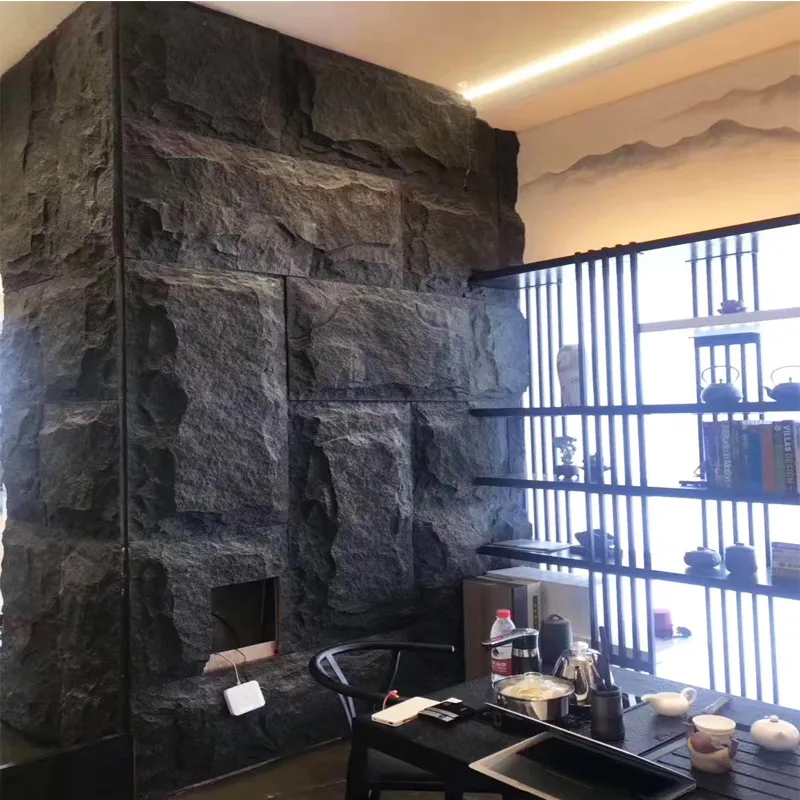
Portobello Stone
Best Uses:
Statement pieces for garden pathways, fireplace surrounds
What Sets It Apart:
Rich, deep grooves resembling mushroom gills with natural reddish undertones
Choosing Tips:
Look for stones with unbroken circular patterns. The heaviest pieces often have the most intricate details
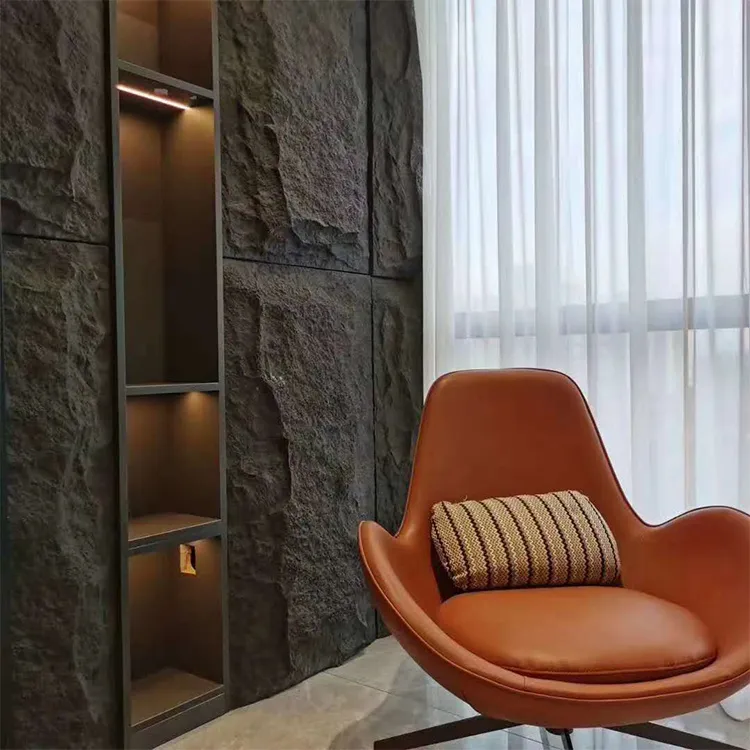
Shiitake Stone
Best Uses:
Meditation gardens, indoor water features
What Sets It Apart:
Distinct umbrella shape with elegant, delicate ridges at the edges
Choosing Tips:
Tap stones lightly – authentic Shiitakes produce soft, resonant tones rather than dull thuds
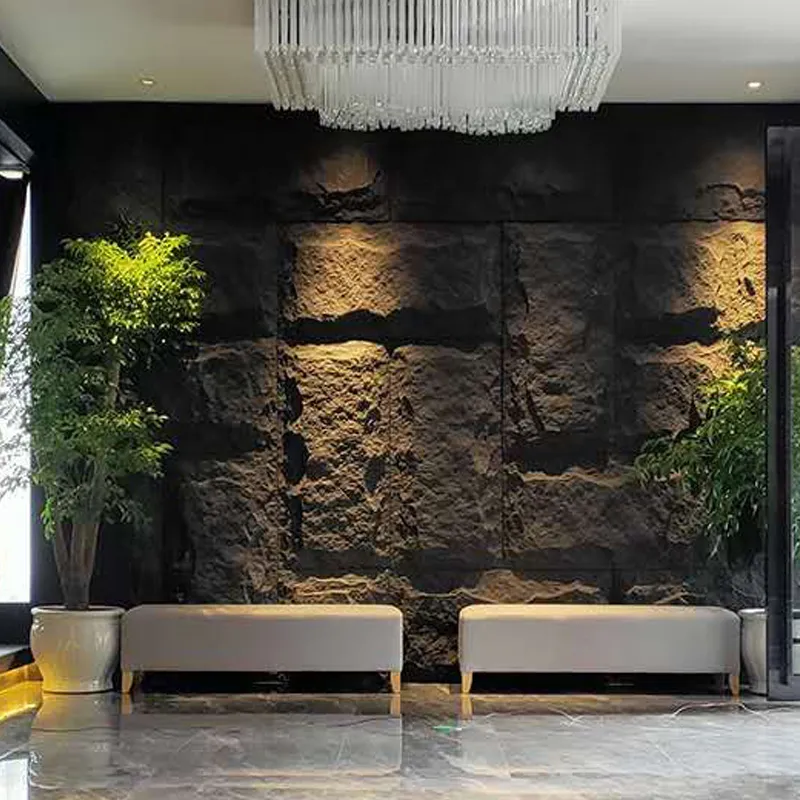
Oyster Stone
What Sets It Apart:
Fan-shaped fossils with wavy, seashell-like patterns
Choosing Tips:
Notice how light plays on the surface – quality pieces shimmer slightly when wet
Designer's Secret:
Always consider moisture levels where you'll place mushroom stones. Some types drink up water like parched earth, while others might crumble in damp corners. Ask suppliers about water-resistant varieties for your bathroom tile projects.
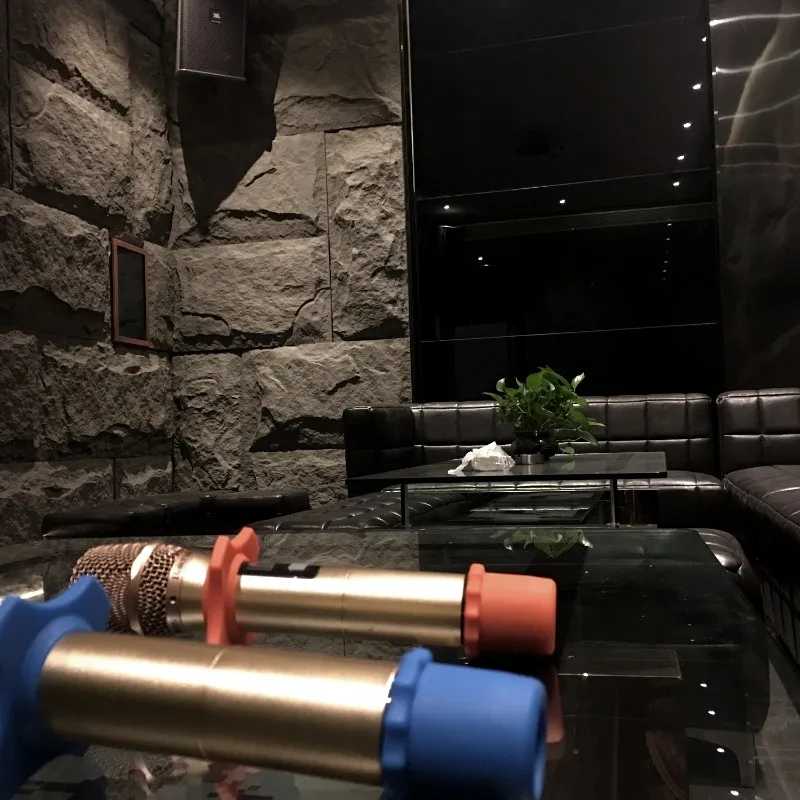
Maitake Stone
Best Uses:
Centerpieces, sculptural focal points
What Sets It Apart:
Cascading layers resembling dancing mushroom clusters in mineral form
Choosing Tips:
Examine layer connections – the most stable pieces have interconnected patterns rather than stacked fragments
Enoki Stone
Best Uses:
Border detailing, miniature fairy gardens
What Sets It Apart:
Long, slender formations with needle-like crystalline structures
Choosing Tips:
Gently run fingers along stems – well-preserved pieces feel smooth, not gritty or flaky
Chanterelle Stone
Best Uses:
Decorative bookends, kitchen windowsills
What Sets It Apart:
Vibrant golden veins running through trumpet-shaped formations
Choosing Tips:
Authentic Chanterelles glow warmly under direct sunlight – test them near windows
Lion's Mane Stone
Best Uses:
Textural wall accents, abstract art installations
What Sets It Apart:
Flowing, waterfall-like mineral formations with soft, furry-looking textures
Choosing Tips:
Inspect density – heavier Lion's Manes tend to be more intact with deeper textures
Historical Note:
You're handling living history when choosing mushroom stones. These formations took centuries to develop their unique character. When selecting one, you're not just picking décor – you're becoming guardian to geological storytelling that makes your space truly special.
Cremini Stone
Best Uses:
Entryway accents, patio decor
What Sets It Apart:
Deep umber tones with subtle marbling beneath smooth, rounded caps
Choosing Tips:
Scratch test the underside – true Creminis reveal cream-colored streaks, not white
Morel Stone
Best Uses:
Table centerpieces, plant pot companions
What Sets It Apart:
Distinct honeycomb surface patterning reminiscent of ancient beehives
Choosing Tips:
Examine cavities under good lighting – well-defined cellular patterns indicate quality
Beech Stone
Best Uses:
Office desks,
bookshelf decorations
What Sets It Apart:
Clustered miniature formations with tight, symmetrical arrangements
Choosing Tips:
Check cluster bonds – clusters should feel solid like one piece, not glued fragments
White Button Stone
Best Uses:
Group arrangements, children's garden spaces
What Sets It Apart:
Classic rounded tops resembling smooth river stones with pale coloration
Choosing Tips:
Avoid stones with blackish mineral deposits – look for consistent creamy coloring
King Oyster Stone
Best Uses:
Grand architectural features, hotel lobby centerpieces
What Sets It Apart:
Dramatic thick stems with oversized caps that command attention
Choosing Tips:
Verify weight distribution – quality pieces stand without wobbling on flat surfaces
Placement Wisdom:
Like picking the perfect spot in a forest, mushroom stones thrive where they feel natural. Observe light patterns throughout the day before committing to placement – that sunny morning corner might become a shadowy afternoon cave. Proper positioning ensures your stones become living art rather than forgotten objects in your architectural façade solution.