
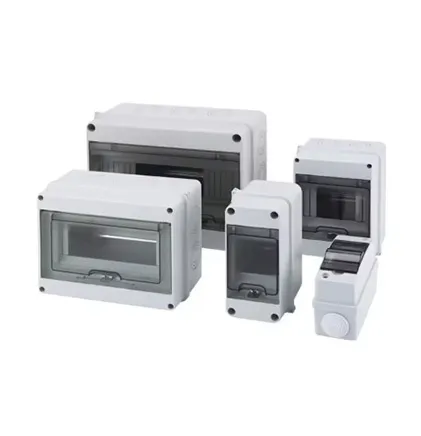
Hey there! If you're planning any electrical project, whether it's for your home, office, or a big commercial setup, you've probably heard about distribution boxes. These are the unsung heroes that keep your power flowing safely and efficiently. But let's be real – there are so many types out there that it can feel overwhelming to pick the right one. Don't worry, though. I've got your back. In this guide, we'll break down the 12 main types of distribution boxes in a way that's easy to understand. We'll chat about what each one does, where it shines, and then dive into how to choose the perfect box for your needs. Plus, we'll sprinkle in some practical tips to make sure you're not overspending or compromising on safety. By the end, you'll feel confident tackling your next electrical upgrade without breaking a sweat.
Now, before we jump in, let's set the stage. Distribution boxes, often called breaker boxes or fuse boxes, are basically the central hub where electricity from your main supply gets divided into different circuits. Think of them as traffic controllers for power—they direct energy where it needs to go while protecting against overloads or short circuits. Safety-wise, they're a big deal, because one wrong choice could lead to fires or equipment damage. That's why factors like material quality and proper sizing matter so much. And speaking of materials, I'll be weaving in advice on choosing high-quality building materials throughout, because who wants a flimsy box that gives out after a year? We'll also touch on related topics like cable suppliers and power cables, since everything ties together in electrical projects.
Okay, let's roll up our sleeves and explore those 12 types. I'll keep things light and conversational, so it's like you and I are sitting down with a cup of coffee, chatting about electrical stuff. Each type has its own quirks, and I'll share examples to make it relatable. Once we've covered all the options, we'll switch gears to the "how to choose" part. That'll include a handy comparison table to help you compare key features at a glance. Remember, this isn't just theory—it's about making smart decisions based on your real-world situation. So, let's get started and demystify these essential components!
To kick things off, a distribution box isn't some mysterious gadget. It's a protective enclosure that houses circuit breakers, fuses, or switches to manage electrical currents in a building. In simpler terms, it takes electricity from the main source and sends it to different parts of your space. For instance, in your home, the box might split power between lights, outlets, and big appliances like your fridge. Why do you need one? Well, without it, you'd risk overloads that could fry your gadgets or cause sparks. Plus, modern boxes are designed to handle more than just basic distribution—they can include features for monitoring or integration with other systems.
When thinking about electrical equipment, distribution boxes are a core piece. They tie into everything from cable suppliers who provide wiring to the nuts and bolts of your setup. For example, if you're installing power cables, a good distribution box ensures they're routed cleanly and safely. Over the years, these boxes have evolved. Back in the day, they were just metal boxes with fuses, but now they can be smart and modular, adapting to tech trends. So, whether you're a DIY enthusiast or a pro, understanding the basics will save you headaches down the road. Now, let's dive into the fun part—the 12 types you might encounter.
Alright, here's where we get into the meat of things. I've grouped these into categories that make sense, from common household boxes to specialized ones for unique environments. I'll describe each type with real-life examples, pros, cons, and who they're best for. Keep it casual—this isn't a textbook, so we'll skip the jargon where we can.
Picture this as the "command center" of your building. The main distribution box is where electricity enters from the grid or your utility source. It's the first stop before power heads to other parts. You'll find these in almost every residential or commercial building. For example, in a house, it might be mounted near the meter. Pros? It's straightforward to access for maintenance, and it handles the bulk of load distribution. Cons? If you're in a small space, it can be bulky and takes up valuable room. Ideal for homeowners or builders working with standard setups.
Think of a sub-distribution box as the branch offices of your electrical system. It sits downstream from the main box and feeds specific areas or floors. Say you're in a large office building—each floor could have its own SDB for flexibility. This type is super handy for reducing long cable runs, which saves costs and minimizes power loss. But on the downside, it adds complexity; you'll need to coordinate between multiple boxes. If you're dealing with projects involving high-quality building materials, an SDB ensures cables are neatly organized without clutter.
When things get heavy-duty, like in a factory or warehouse, an industrial distribution box steps up. These are built tough to handle harsh environments, like dust, moisture, or vibration. They often include extra protection like reinforced casings and multiple breaker slots. For instance, in a manufacturing plant, one of these might control machinery power. The big win here is durability—it lasts ages in rough conditions. Drawback? They're pricier and bulkier, so not great for home use. If you're sourcing from cable suppliers, make sure they offer industrial-grade wiring to match.
This is the everyday hero for homes. A residential distribution box is compact, user-friendly, and designed for typical household currents. It usually holds breakers for rooms, appliances, and maybe even your HVAC. Picture it in your garage or basement. Advantages? It's easy to install and maintain, with features like labeled circuits. Disadvantages? Limited capacity—adding too many circuits can overload it. Perfect for DIYers; just pair it with reliable power cables to avoid flickers during movie nights.
Safety first! These boxes are lifesavers in risky places like chemical plants or gas stations. They're sealed tight to prevent sparks from igniting flammable gases. Imagine a refueling station—the box would be built to contain any internal explosions. Pros? They avert disasters, protecting people and equipment. Cons? Super expensive and overkill for regular settings. When choosing, factor in the quality of materials, as cheap ones won't hold up.
If your box lives outdoors, like on a patio or construction site, weatherproofing is key. These have gaskets and coatings to resist rain, sun, or snow. You might see one powering garden lights or temporary setups. Good points? They're versatile and durable. Bad news? Installation needs sealing skills to prevent leaks. For areas exposed to elements, it's worth investing in quality.
Ideal for low-power needs, like lighting circuits or data centers. A low-voltage box handles under 50 volts, making it safe for sensitive electronics. Think of smart homes where you run lighting controls. Pros? Energy-efficient and safe for touch. Cons? Not for heavy appliances, so know your load. It pairs well with modern power cables for seamless integration.
Flip side—high-voltage boxes manage big currents, like in industrial grids or large buildings. They have robust insulation to handle over 600 volts. In a hospital, one might power critical equipment. Upside? Handles massive loads reliably. Downside? Requires professional installation and can be hazardous if mishandled. Source from trusted electrical equipment suppliers to stay safe.
Flexibility is king here. Modular boxes let you add or remove components like snap-together Lego blocks. Great for tech-heavy spaces, like offices with changing layouts. For example, install more breakers as you expand. Pros? Easy upgrades without replacing the whole thing. Cons? Initial setup can be fiddly. When choosing cable suppliers, pick ones that offer modular accessories for a neat fit.
These mount on walls without needing recesses. Super easy to install in existing spaces, like retrofitting an old garage. You won't mess with drywall much. Benefits? Quick and cheap for DIY projects. Negatives? They stick out, which isn't sleek in modern homes. For power cables running surface-level, this keeps things tidy.
Sleek and hidden, this type is recessed into walls for a clean look. Common in new builds or renovations where aesthetics matter, like living rooms. Upside? Discreet and space-saving. Downside? Installation requires wall-cutting expertise. Use high-quality building materials here to avoid repairs.
Welcome to the future! These connect to apps for monitoring energy use, like turning circuits on/off remotely. For eco-conscious homes, they're a game-changer. Imagine controlling lights via your phone. Pros? Energy savings and convenience. Cons? Expensive and needs Wi-Fi, which can fail. As electrical equipment goes, this is top-tier—just ensure compatibility with your cables.
Phew, that was a whirlwind tour! Each type has its place, and you've probably noticed how materials and setup vary. For instance, industrial boxes need thicker casings, while smart ones prioritize tech. If you're sourcing from cable suppliers, always match the cable type to your box—like using heavy-duty power cables for industrial setups. Up next, we'll tackle how to pick the right one without second-guessing yourself.
So, you've seen the options—now what? Choosing the best distribution box isn't rocket science, but it does need a bit of thought. I'll walk you through the key factors to consider, like your building size, budget, and environment. Remember, this is about practical, down-to-earth advice. No pressure to be an expert; just follow these pointers to avoid costly mistakes. And yeah, we'll revisit ideas like using high-quality building materials because cutting corners here can lead to trouble down the line. Ready? Let's break it down.
To help you visualize choices, here's a handy table. It summarizes the top types, their best uses, key pros and cons, and tips for integration with cables and materials. Use this as a cheat sheet during your shopping.
| Type | Best For | Pros | Cons | Tip for Cables & Materials |
|---|---|---|---|---|
| Main Distribution Box | Homes and small buildings | Easy access, handles main loads | Bulky, limited expansion | Use thick power cables for reliability; source from reputable cable suppliers. |
| Industrial Distribution Box | Factories or harsh areas | Durable, high protection | Expensive, complex setup | Choose high-quality building materials for casing; match with industrial cables. |
| Weatherproof Distribution Box | Outdoor or damp locations | Resists elements, versatile | Installation needs care | Ensure cables are shielded; electrical equipment must be water-rated. |
| Modular Distribution Box | Flexible spaces like offices | Easy upgrades, customizable | Initial fiddliness | Pair with modular cables; quality materials prevent future headaches. |
| Smart Distribution Box | Tech-savvy homes | Remote control, energy saving | High cost, Wi-Fi dependent | Integrate with smart cables; prioritize durable electrical equipment. |
Now, let's get practical. Start by assessing your project. If it's a simple home reno, sketch out where appliances go and tally up power needs. For commercial gigs, map circuit zones—industrial sites might zone by machinery. When sourcing, lean on experts: good cable suppliers can suggest boxes that match wiring ratings. And never skimp on quality. I've seen DIYers regret cheap buys; investing in robust electrical equipment pays off in safety and longevity. Pro tip: If you're unsure, mock up a small section to test fit and function.
We all make slip-ups, but in electrical work, errors can be pricey or dangerous. Based on years of chatter in the field, here are some all-too-common oopsies. First, underestimating capacity. People cram in too many circuits, leading to tripping or fires. Always size up with room to grow. Second, ignoring the environment—like using an indoor box outside. That invites weather damage pronto. Third, skipping on materials. Opting for low-cost plastics might seem thrifty, but they degrade under heat. Stick with high-quality building materials for peace of mind.
Another pitfall? Overcomplicating with unnecessary features. Fancy smart boxes are neat, but if you don't need app control, you're wasting cash. Similarly, mismatching cables is huge; using thin power cables with high-voltage boxes causes resistance and heat. Chat with cable suppliers to get compatible wiring. Lastly, poor placement. Installing boxes in cramped or damp spots makes maintenance a nightmare. Keep them accessible and dry. Dodge these errors, and you'll save time, money, and stress. After all, the goal is reliability—whether you're powering a shed or a skyscraper.
To sum it all up, distribution boxes aren't just metal boxes—they're the backbone of your electrical safety. Picking the right type ensures smooth, efficient power without hiccups. From residential setups to industrial beasts, we covered the 12 types that fit different scenarios. And when choosing, focus on basics like load capacity, location, and durability. Investing in quality pays dividends, whether it's sourcing from top cable suppliers or using robust power cables. Ultimately, this knowledge empowers you to make informed decisions, whether you're updating an old home or launching a new build.
I hope this guide felt like a friendly chat rather than a lecture. If you're diving into a project, take it slow: plan, consult specs, and prioritize safety. If anything feels off, don't hesitate to call in a pro. Remember, electrical equipment like distribution boxes should last years, so make choices that stand the test of time. Thanks for sticking with me through this—go rock your next project!
Recommend Products












