



So you've decided to bring that rugged, timeless castle rock look to your space. Fantastic choice! But wait – did you know there's more to castle rock than those chunky stones you picture from medieval fortresses? Turns out, castle rock comes in all sorts of flavors that dramatically change your project's personality. That's where this guide becomes your stone-selecting sidekick.
We're going beyond basic comparisons to dive deep into why certain rocks work better for fireplaces versus garden walls, how texture impacts mood, and what surprising modern twists exist. I'll walk you through every variation imaginable – from the earthy "Rustic Rumble" to the surprisingly contemporary "Sleek Citadel" – and teach you to match them to your vision.
The 12 Players in Your Castle Rock Lineup
1. The Classic European Block
Picture oversized stones like uneven puzzle pieces creating fortress walls. This is castle rock in its purest form – jagged edges, deep shadows, and an instantly historic vibe. Perfect for:
- Making fireplace surrounds feel like castle hearths
- Giving suburban homes Tudor-era character
- Foundation accents that scream "ancient and sturdy"
Fun fact: Installers call this "storytelling stone" – every chip tells a tale of imaginary medieval stonecutters!
2. Rustic Rumble
Smaller than the classic but packing more texture. Think lichen-speckled stones from country fields with organic irregularities – tiny fossils, wild color variation, and weathered surfaces. Brings warmth to:
- Cottage-style garden walls
- Farmhouse kitchen backsplashes
- Cozy reading nook accent walls
Pro tip: Use sandy mortar to enhance that "dug from the earth" look.
12. The Sleek Citadel
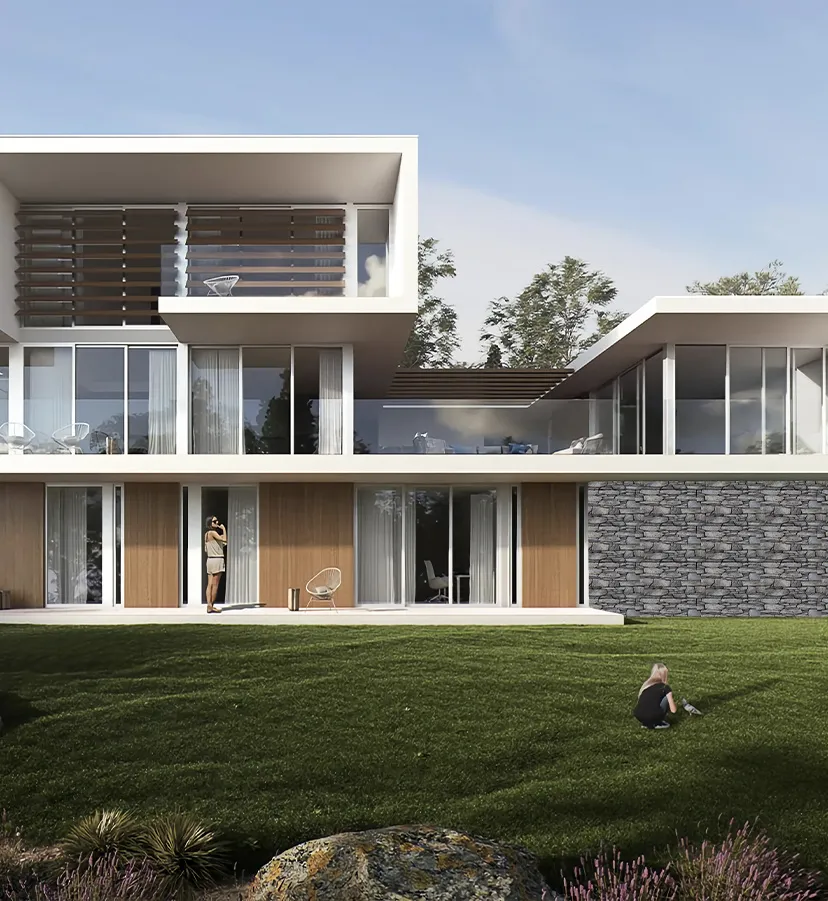
Wait – minimalist castle rock? Absolutely! Precision-cut rectangular blocks with smooth faces and tight joints create dramatic geometry. It’s medieval meets modern for:
- Striking office lobby features
- Poolside walls that defy expectations
- Industrial lofts needing texture without chaos
Insider insight: Architects adore this for creating bold architectural façade solutions that reference history while feeling fresh.
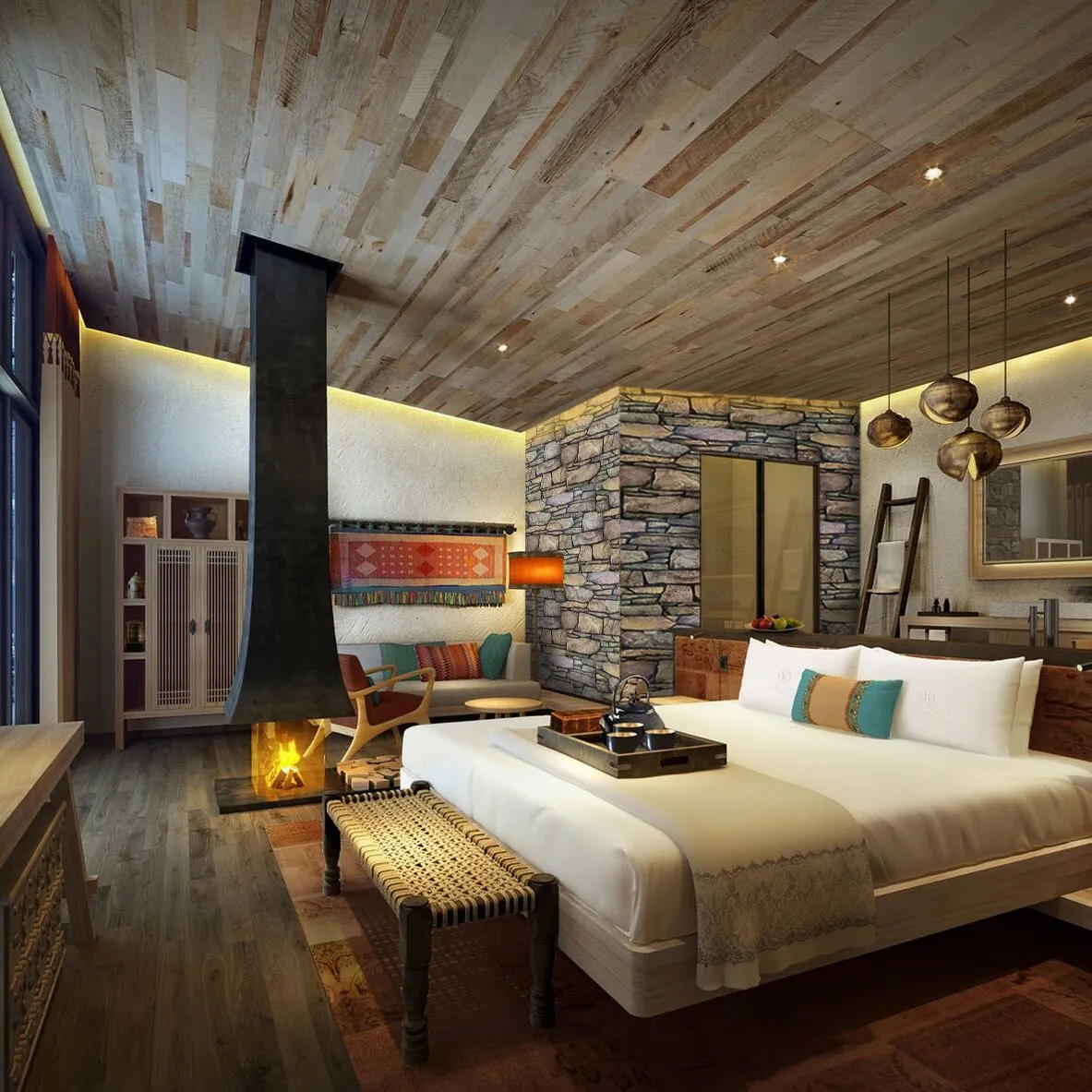
Choosing Your Stone Soulmate
Texture Tells the Tale
Rough vs. smooth isn't just about looks – it changes how light plays on your wall:
Deeply chiseled surfaces
: Grab shadows dramatically, better for dim rooms needing dimension
Honed finishes
: Reflect light softly, ideal for airy spaces or near large windows
Ever rub your hand across stone? Do it with samples! Texture affects whether your wall says "touch me" or "admire from afar."
Color Psychology in Stone
Castle rocks aren't just grey:
| Hue Family | Mood Created | Best Paired With |
|---|---|---|
| Warm Greys/Beiges | Inviting, traditional | Wood beams, copper fixtures |
| Cool Charcoals | Modern, sophisticated | Steel, crisp white walls |
| Earthy Ochres | Rustic, Mediterranean | Terracotta, lush greenery |
Sneaky trick: Bring fabric swatches/paint chips when selecting stone! Artificial lighting shifts colors surprisingly.
Making Stones Work Where You Live
That stunning wall might look perfect online but crumble in your hallway. Avoid heartbreak with these real-talk tips:
Tiny Spaces, Big Impact
Small rooms get overwhelmed by large stones. Instead:
- Use "Ledgestone" or "Cobbled Path" varieties scaled down
- Limit stone to one focal wall instead of wrapping corners
- Choose lighter mortar to visually expand the space
"It felt like the rocks were closing in until we switched to slimmer stacked stones," shared Brenda from Portland.
The Honest Truth About Upkeep
Nobody warns you about maintaining castle rock! Here's the unfiltered scoop:
Indoor vs. Outdoor Realities
Outdoor stone develops beautiful lichen patinas – embrace the weathering! But indoor installations :
- Collect dust in crevices (soft bristle brush monthly!)
- May require re-grouting near fireplaces due to heat cycling
- Can stain if porous stones encounter oils (test sealants!)
Beware "easy-care" claims – textured stone always needs love.










