
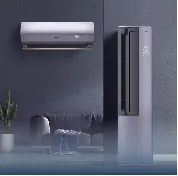
Hey there! If you're sweating through another summer or just tired of that ancient AC rattling like a caffeine-deprived woodpecker, you've landed in the right spot. Choosing an air conditioner isn't rocket science, but boy, does it feel overwhelming with all the options out there! Don't sweat it (pun intended) - I'm here to walk you through the pros, cons, and quirky details of all 12 major AC types so you can find your perfect cooling soulmate.
Picture this: You're lounging in perfectly chilled bliss while your neighbor's ancient window unit sounds like it's trying to achieve liftoff. That dream can be your reality! Whether you're retrofitting a historic home or building new, this guide cuts through the jargon to help you pick the coolest solution (literally) for your space.
Let's start with the Cadillac of cooling: central air. This bad boy uses ductwork to pump chilled air throughout your entire home from one central unit. It's what you'll find in most modern American houses - quiet, seamless, and capable of turning your home into a polar paradise with the tap of a thermostat.
A compressor unit sits outside while an evaporator hides indoors, usually with your furnace. They team up to cool refrigerant that flows through copper tubing, all controlled by that trusty thermostat on your wall.
Ideal for: Folks with existing ductwork who want hands-off, whole-home cooling and are okay paying premium installation costs (average $5,000-$10,000). Not great for older homes without ducts.
These hybrids combine the power of central AC with zoned flexibility. You'll get one outdoor compressor connected to sleek indoor units mounted high on your walls - no ducts needed! Think of them as personalized climate control for each room.
Each indoor unit runs independently. Your bedroom can be frosty while the empty living room stays warm. Perfect for home additions or older properties where adding ducts would require demolition.
Perfect match when: You need to cool specific zones, own a ductless home (historic properties!), or want to avoid major construction. Installation runs $3,000-$7,000 depending on units needed.
The blue-collar heroes of cooling! Window units are like that reliable old truck - not fancy, but they get the job done affordably. These self-contained boxes live in your window frame and are simpler to install than assembling IKEA furniture.
Best for: Apartments, renters, single rooms, or supplemental cooling. Just expect to trade some efficiency and peace and quiet for the low price tag. BTW - always remove them before your winter ski trip!
Meet the nomads of AC life! These wheeled units can roll from your sweltering home office to your stuffy bedroom. They vent through a window kit, sorta like hooking up a dryer vent.
Renters avoiding installation headaches, spot-cooling needs (your gaming den?), or spaces where window units won't fit.
Downsides: They're the noisiest option and struggle in large rooms. Perfect temporary solution though!
Nature's climate cheat code! These marvels tap into the earth's stable underground temps (a constant 50-60°F) to both heat and cool your home. They basically turn your backyard into a thermal battery!
Loops of pipe buried underground transfer heat through fluid. The ground absorbs summer heat to cool your home, then reverses in winter to warm it.
Premium perks: Crazy efficient (up to 400% better than conventional units!), whisper quiet, and slashes bills long-term. But prepare for sticker shock upfront: $15,000-$35,000.
Worth it when: You're building new or doing major renovations, planning long-term ownership, or passionate about green tech.
Hybrids blend gas furnace heating with electric heat pump cooling to optimize efficiency and cost savings. Smarter systems let the heat pump handle milder temps while kicking to gas when the mercury plunges.
Match for folks who: Want efficiency without geothermal complexity and live where temperatures dip below freezing. Saves 20-40% versus conventional AC/gas systems.
Old-school desert tech that's making a comeback! These water-powered boxes use evaporation - like nature's sweat - to blow cool moist air. They're basically an oasis in a box.
Works best in: Dry climates (below 50% humidity). Humidity over 60%? They stop working. Great choice for garages, workshops, or dry southwestern homes.
These brainy units learn your habits and let you control your climate via phone apps or voice commands. Imagine waking up to a perfectly chilled bedroom without touching a button!
Choose when: Tech-lovers want automation and energy tracking. Models cost 20-30% more than their "dumb" counterparts.
These subtle ceiling-mounted panels are hidden HVAC ninjas! Mounted flush with your ceiling, they distribute air 360 degrees for even cooling without bulky units jutting from walls.
Commercial superstars: Loved in offices, shops, and restaurants for stealthy performance. Costs $2,000-$4,000 per cassette.
Like window units' brawnier sibling, these slide into permanent wall sleeves. No yearly installation battles with window tracks!
When to install: Rooms without windows or in apartment buildings banning window units. Slightly higher capacity than comparable window models.
These all-in-one rooftop units consolidate heating/cooling components like an HVAC Swiss Army knife. Common in commercial spaces where indoor space is precious.
Residential use: Mainly in compact homes without basements. Expect maintenance costs 15-20% higher than split systems.
The elegant Europeans of cooling! These ceiling-mounted units circulate chilled water through pipes, silently cooling air via convection. Think of them as invisible climate magicians.
Perfect for: High-end homes, museums, hospitals, or luxury buildings where noise matters. Integration with premium building materials like high-performance decorative stone cladding creates seamless architectural statements.
Now that you've met all the players, let's match you with your perfect chill partner:
Calculate your square footage (length x width) and factor in:
Your climate dictates what works:
Consider lifetime costs:
How will you actually use it?
Ask yourself:
Picking the right AC shouldn't be more stressful than your last airport sprint! Remember: Bigger isn't always better (oversized units cycle too fast), and that shiny smart feature might not matter if you're rarely home.
The perfect system quietly disappears in the background while keeping you comfortable. When in doubt, get a professional assessment - it's worth the $150 consult to avoid $10k mistakes. Here's to your sweat-free future!
Recommend Products












