
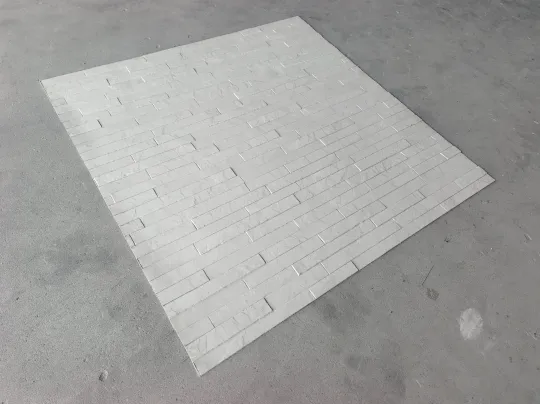
So you're starting a masonry project? First off, let's tackle a truth many skip: the stone you pick doesn't just decorate walls—it tells a story. Like choosing your attire for a memorable evening, selecting masonry stone needs thoughtful consideration of purpose, personality, and practical concerns.
Pro Insight: Successful stone selection means balancing four pillars: aesthetics, durability, maintenance, and budget. Ignore one, and your project may underdeliver.
Masonry stones live at the intersection of earth's artistry and human craftsmanship. They're categorized as either rubble (irregular, rustic shapes) or ashlar (precisely cut blocks). Which type works for you depends on your structural needs and visual goals.
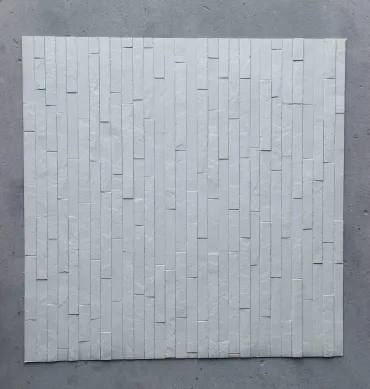
This igneous rock laughs at weather and wear. Its crystalline structure yields exceptional compressive strength and weather resistance, perfect for:
Granite's natural speckled coloring brings sophistication, though its hardness means professional cutting.
Sedimentary limestone offers that graceful European charm with softer carving potential. Its porosity needs sealing in freeze-thaw zones, but excels in:
Notice that banding? Sedimentary layers create sandstone's signature look. Softer varieties work for accents; harder types for structural needs:
Picture stones harvested straight from fields—they bring authentic rural character. This uncoursed rubble masonry creates:
While high-maintenance outdoors due to weathering, marble makes unforgettable interior statements:
Choose variants like Carrara for subtle veining or Statuario for dramatic contrast.
This metamorphic wonder splits into thin sheets yet withstands heavy loads. Unique properties include:
Often mistaken for marble but tougher than granite, quartzite offers:
A sandstone variety famed in Northeast US architecture, with defining traits:
This calcium-rich limestone forms near hot springs, featuring porous holes that become design elements when filled. Ideal for:
Sandstone's rusty sibling, iconic on NYC townhouses. Unique traits:
Metamorphic rock with a talc-rich composition that feels surprisingly smooth. Advantages include:
Technically a cutting style rather than a stone, but essential in masonry. Perfect rectangular blocks stacked seamlessly for:
Freeze-thaw regions demand dense stones like granite or quartzite. Sandy coastal areas require resistance to salt erosion. Humid locations need stones that discourage mildew. Ignore local conditions at your peril.
Foundation stones need compressive strength and durability, while accent stones prioritize color and texture. Marble vanity tops aren't load-bearing; granite retaining walls shouldn't be fashion statements.
Porous travertine needs sealing; marble etches with acids; brownstone weathers; fieldstone collects weeds. Match maintenance tolerance to stone requirements to avoid constant upkeep frustration.
Rustic cottages call for rubble stonework. Modern homes shine with precise ashlar granite. Victorian revivals need brownstone's signature tones. Choosing the right style is like dressing your home appropriately.
Fieldstone costs less but requires skilled labor to fit irregular shapes. Imported marble costs more but transforms spaces. Balance initial costs with durability to find true value.
Local Wisdom: Long Island projects need freeze-thaw resistant choices like bluestone or granite. Coastal properties require stone resistant to salt erosion—look toward quartzite or dense basalt.
Step 1: Define your project's function. Is this a structural wall? Decorative accent? High-traffic walkway?
Step 2: Inventory your environment. Freeze cycles? Salt air? Heavy rainfall?
Step 3: Establish aesthetic goals. Should it blend or stand out? Rustic or refined?
Step 4: Determine maintenance tolerance. How much ongoing care is realistic?
Step 5: Compare options using your must-have traits. Create a decision matrix scoring each stone.
Step 6: Get physical samples. View them wet/dry, at different times of day.
Step 7: Consult professionals who understand regional building demands.
Remember: stone choices live in relationship with their environment, mortar selection, and craftsmanship quality. Even the perfect stone fails with improper bedding or joint fill. Work with experienced local masons who understand regional building requirements to ensure your beautiful selection performs beautifully too. As leading natural stone manufacturers will attest - the true magic happens when great material meets inspired craft.
Recommend Products












