
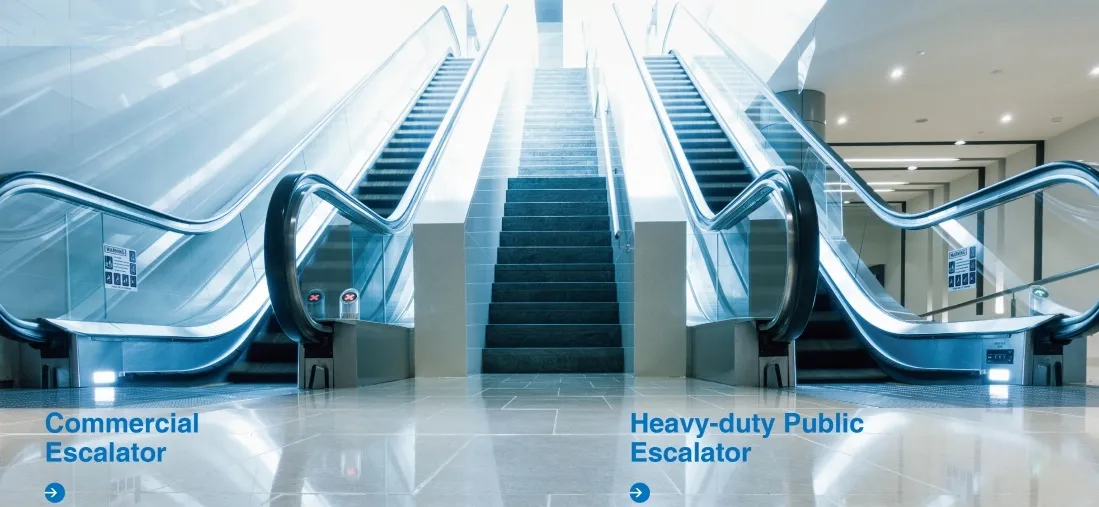
Walking into a shopping center or airport, those moving staircases aren't just metal monsters – they're carefully engineered solutions solving real people-moving challenges. Getting the right escalator type makes all the difference between a smooth passenger flow and frustrating bottlenecks. Let me walk you through the practical realities of selecting commercial escalators.
Commercial escalators aren't interchangeable. The escalator in a luxury hotel lobby faces completely different demands than one in a subway station. Heavy foot traffic, exposure to weather, design requirements, and maintenance realities all play into what'll work for commercial flooring systems and high-traffic environments.
The classics you see everywhere from malls to metro stations. Designed like mirrored twins moving in opposite directions, they're reliable for steady passenger flow. Perfect when you've got predictable two-way traffic. Maintenance teams love how spare parts are always available.
Ever seen those X-shaped escalator configurations? They save massive floor space by overlapping ascent and descent paths. Ideal when you're dealing with tight footprints in multi-story retail. Architects favor them for creating visual statements without eating up valuable sales space.
These graceful arcs add architectural drama to upscale spaces. More than just eye candy, they smoothly redirect passenger flow around obstacles. But know what you're getting into – installation is like assembling a 3D puzzle, and repairs require specialized technicians.
When escalators brave the elements, they need serious armor. Sealed against rain and dust, built with corrosion-resistant materials, and often equipped with heaters to prevent ice buildup. Think subway entrances, stadium concourses, or waterfront developments – anywhere weather resistance matters.
For environments like factories or logistics centers where escalators face abuse from pallet jacks or heavy equipment. Reinforced steps, impact-resistant skirts, and serious load ratings make these machines workhorses. Maintenance teams can tell stories about the difference between these and mall versions.
That half-story climb between levels? That's their sweet spot. With shallower inclines and lower speeds, they're accessibility champions for seniors and families. Perfect for retail stores connecting sales floors without overwhelming physical demands.
Built to swallow crowds whole in airports and train stations. Wider steps, steeper angles, and faster speeds move people efficiently during rushes. You'll notice robust safety systems because let's face it – tired travelers dragging luggage aren't always paying attention.
These engineering marvels create stunning visual centerpieces while minimizing horizontal footprint. But they're high-maintenance partners requiring exacting alignment. Only specialists handle installations, and parts come from select manufacturers. Not for the faint of budget.
Ever squeeze into an escalator in a historic building? These space-savers fit where conventional models won't. Step width shrinks to 24 inches, but compensate with strategic placement where passenger volume is manageable. Heritage renovations swear by them.
The eco-champions generating power on descent. Regenerative drives capture braking energy – cutting electricity bills by up to 30% in high-traffic environments. Though pricier upfront, facilities with constant escalator usage see compelling payback periods.
When design makes the statement. Sleek all-glass balustrades provide unobstructed views in luxury hotels and high-end retail. Requires diligent maintenance to keep crystal-clear – finger marks show instantly. Safety inspectors watch the step edge illumination like hawks.
Integral to safety systems in transport hubs and large complexes. Built with non-combustible materials, automatic fire shutters, and emergency operation modes. Installation requires strict compliance with fire containment strategies – fireproof ceiling tiles and compartmentalization become part of the conversation.
| Type | Best For | Daily Capacity | Space Requirements |
|---|---|---|---|
| Parallel Escalators | Shopping malls, offices | 8,000-12,000 people | Wide horizontal footprint |
| Crisscross | Multi-level retail, tight spaces | 7,000-10,000 people | Compact vertical alignment |
| Outdoor-Rated | Stadiums, transit stations | 6,000-9,000 people | Requires weather protection |
| High-Speed | Airports, train stations | 14,000-18,000 people | Extended approach zones |
| Energy-Recovery | 24/7 facilities, sustainability projects | Variable based on usage | Standard footprint plus electrical |
Finding the right escalator isn't just about specs – it's understanding how people actually move through your space. Think like a passenger flow consultant when evaluating these factors:
When evaluating escalator manufacturers with your elevator suppliers , ask the uncomfortable questions:
Smart operators maintain escalator specification books updated after each project – documenting what actually worked versus theory. Don't ignore operational gut feelings from facilities teams who'll live with your decision daily.
Choosing escalators remains both art and science. The "right" escalator disappears into the background – moving people safely and efficiently without calling attention to itself. Avoid getting seduced by flashy features that don't solve your actual passenger flow issues. Partner with suppliers who ask about operational rhythms rather than just quoting specifications. Remember that great escalator choices feel intuitive to users while solving complex engineering puzzles for your space.
Recommend Products












