


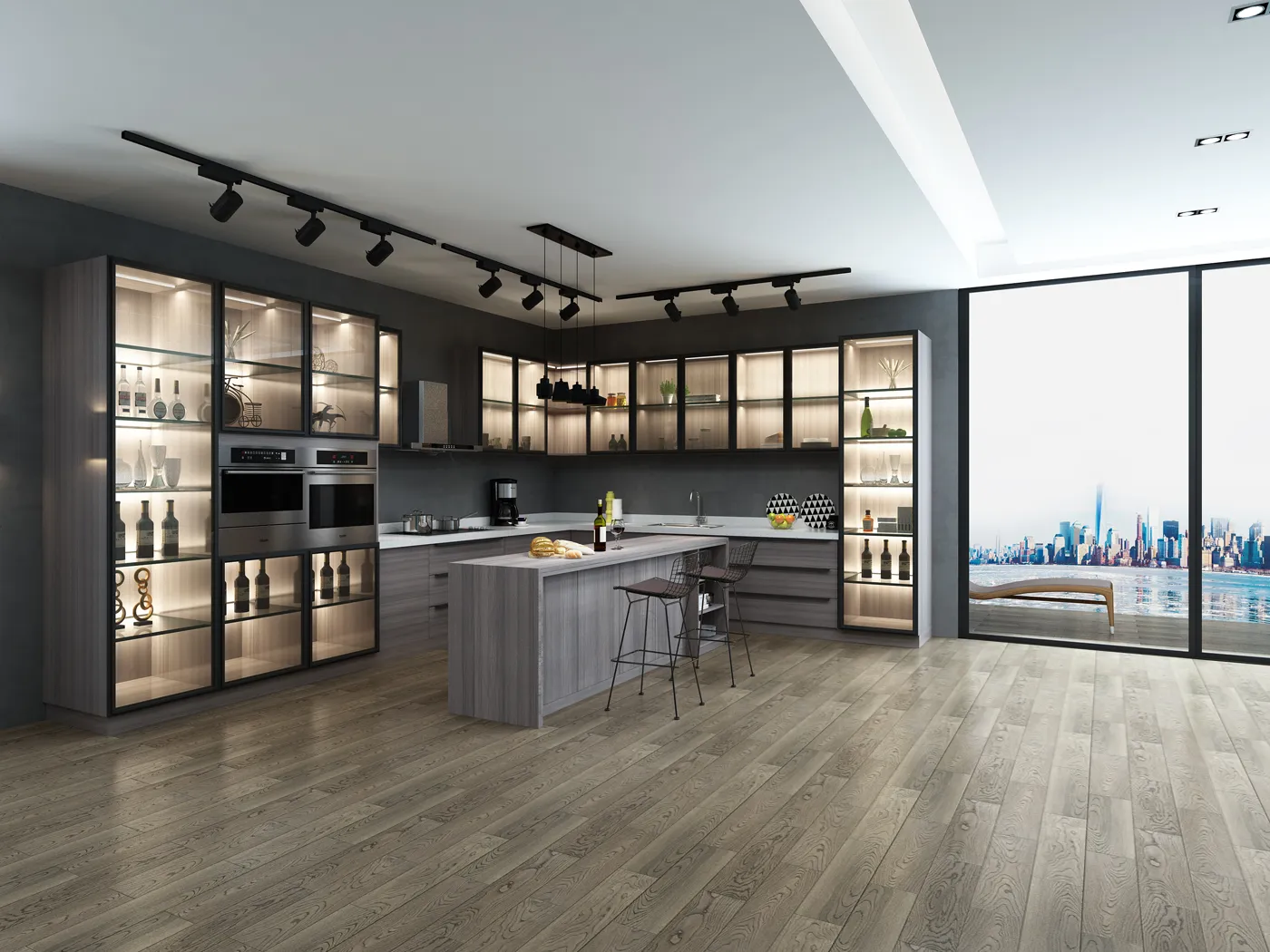
Walk into any high-end hotel kitchen today, and you'll notice something fascinating - it's not just about industrial-grade appliances anymore. The unsung heroes of these culinary spaces are the cabinets. They've transformed from purely functional storage units into strategic design elements that shape workflow, hygiene standards, and even staff morale.
Having consulted on hospitality kitchens worldwide, I've seen firsthand how the right cabinetry choices impact daily operations. Hotels aren't just competing on room amenities anymore; the back-of-house experience directly translates to guest satisfaction when that room service steak arrives perfectly cooked at 2 AM.
Modern hospitality demands a blend of military precision and artistic expression. That's where these 10 cabinetry game-changers come in. They're not just pretty faces; they're engineered solutions to real-world hospitality headaches.
1. Silent-Closing Mechanisms (The Unsung Peacekeepers)
Ever notice how the quietest hotels often feel the most luxurious? That serenity extends to the kitchen. At 4 AM prep time, the last thing you want is cabinet doors slamming like drum solos. Soft-close hardware isn't a luxury - it's essential sanity preservation.
I've watched line cooks in high-pressure environments literally flinch at sudden noises. The psychological impact is real. These mechanisms create a calmer environment where staff can focus on knife skills rather than cringing at every drawer closure. Plus, they prevent that annoying wear-and-tear that makes old cabinets look... well, old.
- Stress reduction: 78% of culinary staff report lower anxiety levels with quiet-close hardware
- Longevity boost: Reduces impact damage by up to 60%
- Midnight-friendly: Critical for 24/7 operations near guest rooms
Installation tip: Don't just do drawers. Full-height cabinet doors benefit most from this tech since their weight causes the loudest impacts. And always choose metal mechanisms over plastic - they withstand commercial cleaning chemicals better.
2. Hyper-Customizable Interior Systems
Hotel kitchens have more specialized tools than a surgeon's tray - from fish scalers to molecular gastronomy pipettes. Standard shelves just don't cut it. The game-changer? Totally modular interiors where you can rearrange dividers faster than your sous chef can julienne carrots.
I worked with a boutique hotel in Barcelona that had 47 different pan lids. Without their pegboard-style cabinet interiors, that would've been chaos. Instead, they had instant visual inventory - a huge time-saver during busy service.
Modern systems now include:
- Rolling rack inserts for sheet pans
- Adjustable wire dividers that snap into tracks
- Tilt-out bins for root vegetables
- Vertical knife slots with removable sanitizing trays
Pro tip: Map your kitchen's unique tools before designing. Pastry stations need different setups than sauté lines. This foresight prevents expensive retrofits later. For hotels incorporating authentic local cooking experiences, these custom storage solutions become even more critical.
3. Integrated Task Lighting (The Culinary Spotlight)
Cooking is visual artistry. How can chefs plate Instagram-worthy dishes if they're squinting in shadowy corners? Under-cabinet lighting has evolved beyond fluorescent tubes to become a precision tool.
The best modern systems are magnetic and removable for easy cleaning - crucial in hospitality settings where health inspectors check for grease buildup in every crevice. In Bali, I saw LEDs integrated into range hoods that automatically brightened when chefs leaned over pans.
Why it transforms workflow:
- 95% color accuracy for judging meat doneness
- Eliminates glare on stainless surfaces
- Motion-activated options conserve energy
- Waterproof strips withstand daily deep cleaning
Key specification: Look for IP65-rated fixtures if near sinks. Position lights toward the backsplash rather than straight down to minimize shadows from arms and tools. Smart lighting seamlessly integrates with hotel kitchen automation systems, allowing programmable scenes for opening/closing routines.
4. Battle-Ready Corner Solutions
That awkward corner cabinet? It's often the Bermuda Triangle of hotel kitchens - where expensive equipment disappears forever. Modern solutions turn dead space into premium real estate.
Beyond the classic lazy susan, we now have:
- Magic Corner® systems with hydraulic arms
- Cascading trays that "follow" the opener
- Pull-out diagonal towers with adjustable bins
A Seoul hotel used 270° rotating shelves to store custom earthenware pots for their traditional Korean restaurant. Previously, these were stored across the kitchen costing servers 12 extra steps per table - multiplied by 300 covers, that's significant labor savings.
Material matters: Choose full-extension ball bearings over nylon glides for commercial use. Kitchens with global clientele need accessible storage for specialized cooking vessels ranging from Moroccan tagines to Japanese donabe pots.
5. Deep Impact Drawers
Hotel stockpots are enormous - some big enough to bathe a toddler (not recommended, obviously). Deep storage drawers have replaced lower cabinets as the gold standard.
What makes them special?
- 200lb capacity ratings even when loaded
- Dovetail joints prevent wobble better than screws
- Removable silicone mats protect enameled surfaces
A Chicago hotel measured that their staff saved 23 minutes per shift switching from bottom cabinets to full-extension drawers. That's nearly 140 hours saved annually in just one kitchen station - equivalent to adding another part-time employee.
Depth matters: For banquet kitchens, specify drawers deeper than 28 inches to accommodate oversized chafing dishes. Industrial-grade wheels are essential when storing heavy hotel appliances like commercial stand mixers. The keyword hotel appliances naturally integrates into this context, highlighting that cabinets must accommodate specialized commercial equipment while maintaining aesthetics.
6. Streamlined Waste Management Centers
Hotel kitchens generate waste at shocking volume - but guests never see it. That's thanks to fully integrated sorting stations hidden behind cabinet facades.
Modern solutions include:
- Tiered bins for compost/recycling/landfill
- Built-in compactors with odor filters
- Slide-out bins scaled for 33-gallon liners
- Foot pedals that free staff hands
The best systems go beyond mere storage. A Vancouver hotel added dedicated compartments for:
- Cooking oil recovery
- Cork recycling
- Parchment paper composting
Their sustainability certification directly increased banquet bookings by 15%.
Material tip: Stainless interiors prevent lingering smells. Easy-wipe coatings on partitions keep sanitation scores high. This integrated approach exemplifies the seamless flow of commercial operations.
7. Appliance Garages That Actually Work
Those blenders and dehydrators that guests never see? They still need smart storage. Traditional appliance garages often become cluttered caves. Modern solutions changed the game with:
- Roll-up tambour doors saving clearance space
- Smart outlets that switch off when closed
- Integrated ventilation slots
- Retractable power strips
At a Ritz-Carlton pastry station, I saw a "bakery command center" featuring:
- Sliding marble counter extensions
- Hidden dough sheeter storage
- Power docks for immersion blenders
This setup lets them transform from morning croissant production to afternoon cake decorating without space conflicts. Luxury travelers increasingly expect artisanal food experiences, requiring specialized tools that must remain accessible yet hidden.
8. Seamless Integration Zones
The ultimate luxury? Appliances that vanish. Not literally, but built-in refrigeration and warming drawers create countertops so clean you could perform surgery on them.
This transcends aesthetics. In a busy kitchen, eliminating protruding handles and edges means:
- Fewer snagged aprons
- Quicker wipe-downs with no corners to scrub
- Visual continuity that psychologically expands space
The technical magic happens with:
- Zero-clearance hinges that let doors open flat against walls
- Push-latch mechanisms needing no handles
- Custom trim kits that camouflage refrigeration
In Manhattan boutique hotels, I've seen integrated espresso machines blending so seamlessly, guests mistake the entire coffee station for cabinetry until a barista activates it. This flawless integration represents the pinnacle of hotel kitchen design - where form and function converge.
9. Advanced Surface Materials
The days of laminate peeling at edges are over. New surface technologies can withstand years of industrial disinfectants and abrasives.
Top performers:
- Porcelain slabs: Heat-resistant to 1600°F (think: rested pans)
- Solid-surface composites: Seamless integrations with sink bowls
- Nano-coated laminates: Stain resistance rivaling natural stone
- Recycled-glass surfaces: Uniquely eco-chic for green certifications
But materials are only half the story. What changed the game for hotel maintenance crews was the shift to edgeless designs. By:
- Eliminating butt seams
- Using integrated backsplashes
- Designing rounded corners
...sanitation became dramatically simpler. Luxury resorts report reducing closing cleaning time by 40 minutes daily just through seamless surfaces. This innovation impacts the bottom line by streamlining operations while elevating the guest experience through consistent culinary excellence.
10. Eco-Conscious Construction
Sustainability became non-negotiable. Modern hospitality demands cabinets that look premium without costing the earth - literally.
Beyond recycled materials, innovations include:
- Formaldehyde-free adhesives: Improving indoor air quality
- Wheatboard cores: Sustainable alternative to MDF
- Water-based finishes: Cutting solvent emissions
- Modular designs: replace single panels instead of entire cabinets
For example, a San Francisco hotel utilized salvaged walnut from California wildfires in their buffet station cabinetry. This not only told a powerful sustainability story but created a unique visual signature. Their "feature" cabinets became such conversation pieces that virtual kitchen tours were requested by design magazines.
This holistic approach extends beyond certification points. It represents the hospitality industry's commitment to environmentally conscious practices while maintaining the highest standards expected by luxury travelers.
Transforming Function into Experience
What began as storage units have become the silent orchestrators of culinary excellence. Modern hotel kitchen cabinets shape everything from the precision of the plating line to the mental clarity of staff during a 500-cover wedding reception. More than physical infrastructure, they're workflow conductors and ambassadors of brand values - whether whispering luxury through seamless integration or shouting sustainability through reclaimed materials.
Hotel guests will never see most of these innovations. But they'll experience them through every perfectly executed meal. That's the true magic - creating unforgettable experiences that seem effortless through intentional engineering hidden behind beautiful facades.
In this demanding industry, the right cabinets become force multipliers: reducing stress, amplifying creativity, conserving energy, and elevating consistency. The modern hospitality leader understands that outfitting a kitchen isn't about selecting furniture - it's about architecting an ecosystem where culinary artistry thrives. When we get it right, the delicious results speak for themselves.










