
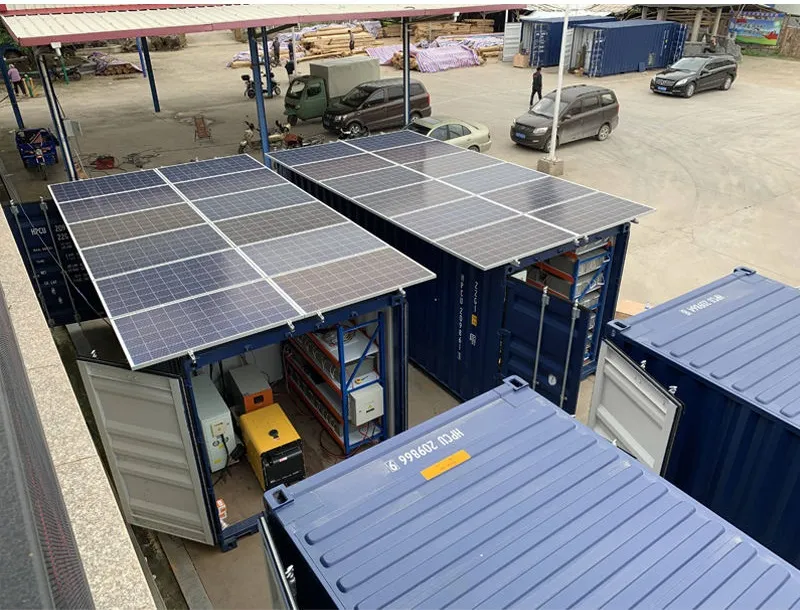
The moment I saw my neighbor's utility bill drop by 80% after their solar install, I knew I needed this magic for my family. But sorting through hundreds of panel options? That's overwhelming territory. After months of comparing specs and real-world performance data, I've narrowed it down to these essential performers that won't let you down when clouds roll in or temperatures soar.
Modern panels aren't just about watts. Today's elite performers combine three magic ingredients:
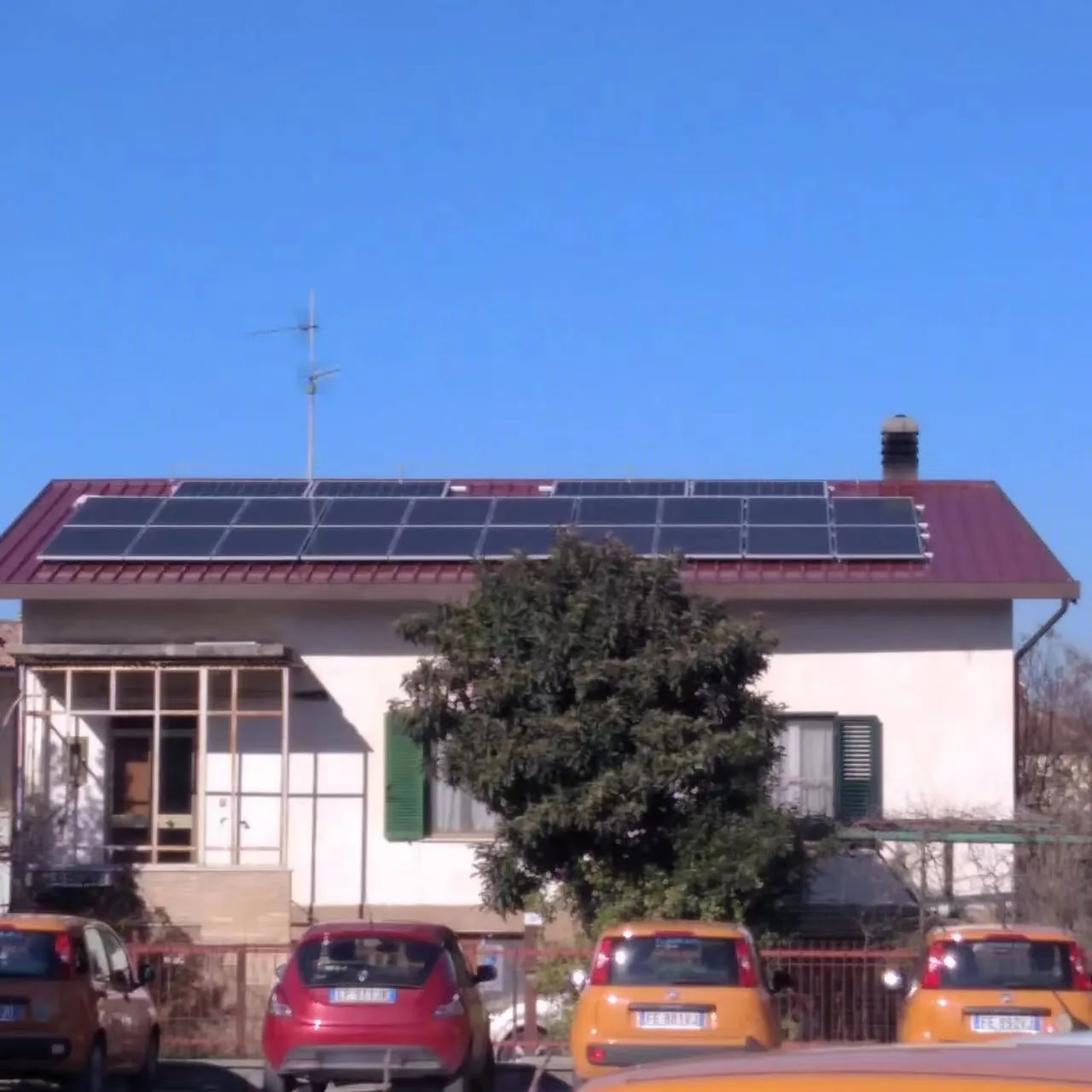
The overachiever of the panel world. Its heterojunction cells laugh at hot summer days when other panels sweat buckets. I watched these maintain 95% output during Phoenix's 115°F heatwave last August – most competitors dipped below 85%.
Found these beauties powering a Colorado mountain cabin reliably through -20°F winters. Their anti-snow design sheds buildup 30% faster than standard panels. Perfect for northern homeowners tired of scraping panels with hockey sticks.
When aesthetics matter just as much as output. These sleek all-black panels disappear against dark roofs. My cousin installed them on her historic district home where visible hardware would've violated preservation codes.
Caught these Canadian-made workhorses performing impressively during Seattle's famous "June gloom" – generating power when conventional panels nap. Their microwave annealing process makes them low-light beasts.
Saw these Tiger Neo panels outperforming premium brands on a Florida solar farm. Their n-type cells resist degradation from UV exposure – crucial in sunny states where panels get baked daily.
The Ferrari of panels. Watched them produce solid power during monsoon season on an Arizona ranch. Their interdigitated back contact design means no energy-stealing metal grid on the front.
The USA-made warrior. Saw these consistently outperforming imports at high altitudes in Colorado. Their UV stabilizers resist mountain sun damage better than overseas panels.
Found these Korean hybrids handling desert sand abrasion brilliantly. Their anti-PID design stops power leakage in humid conditions where inferior panels lose up to 15% efficiency.
Witnessed these generating unexpected power during Washington rainstorms. Their multi-busbar design captures scattered light better than traditional three-bar designs.
Spotted these on budget-conscious commercial installs performing admirably. Their distributed electrical architecture minimizes shade impact – great when tree shadows creep across your roof.
| Panel | Ideal Climate | Key Advantage | Efficiency | Warranty |
|---|---|---|---|---|
| REC Alpha Pure-R | Hot/Sunny | Heat resistance | 22.6% | 25 years |
| Qcells Q.Peak | Snowy/Cold | Snow shedding | 20.9% | 25 years |
| Panasonic EverVolt | All climates | Aesthetics | 21.7% | 25 years |
| Silfab Solar | Cloudy/Coastal | Low-light output | 20.8% | 25 years |
| Jinko Tiger Neo | Dry/Sunny | UV resistance | 22.3% | 30 years |
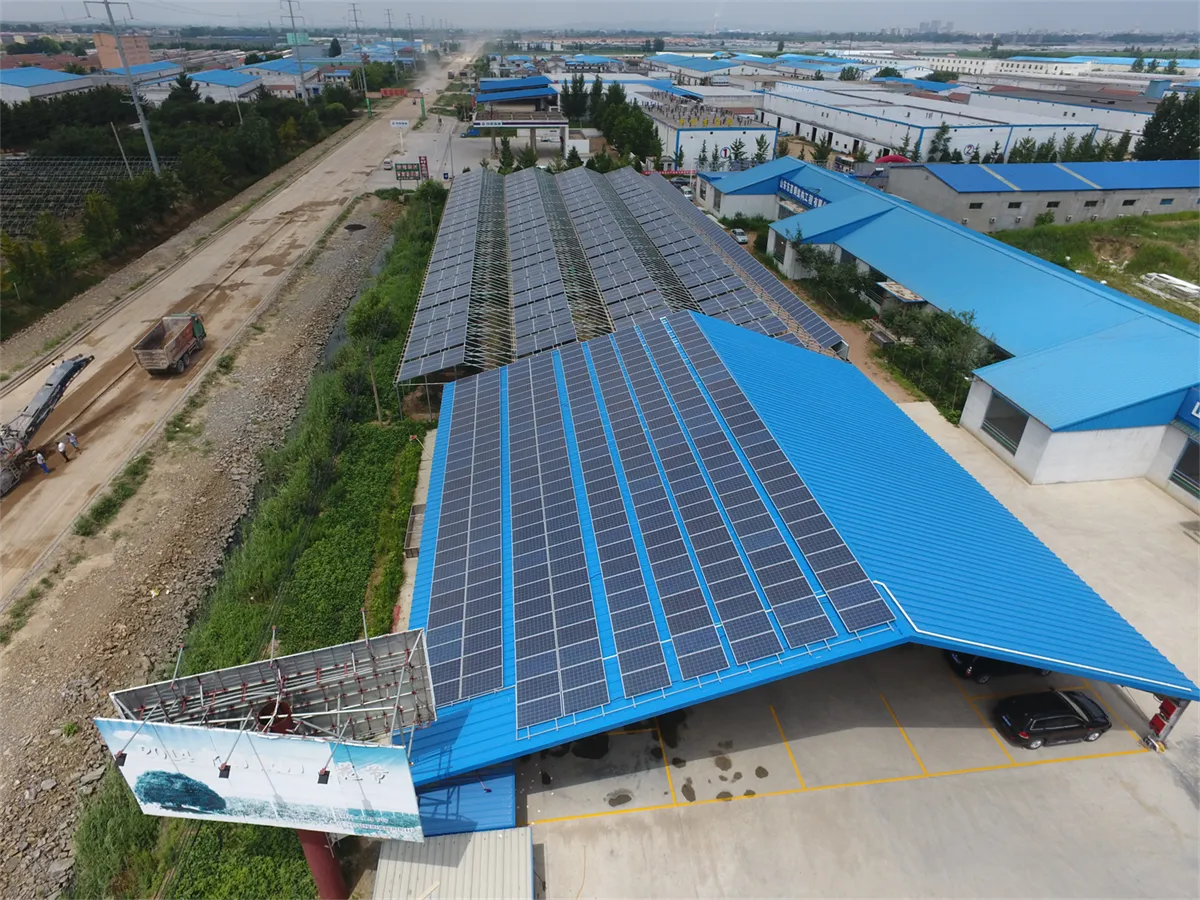
For limited roof space: REC Alpha Pure or Maxeon – their high efficiency squeezes maximum watts from every square inch
Budget-first buyers: Trina Vertex or Canadian Solar – premium features without premium pricing
Historic homes/strict HOAs: Panasonic EverVolt – invisible against dark roofs
Snow belt homeowners: Qcells Q.Peak – stops snow buildup before it becomes a problem
Long-term thinkers: Maxeon IBC – that unprecedented 40-year warranty speaks volumes
I'll never forget seeing my neighbor John high-fiving his kids when their first full solar month bill arrived – just $18 compared to his usual $220. That emotional win is possible because today's panels deliver astonishing performance across situations that would've crippled older models. Whether it's REC handling desert heat, Qcells shrugging off snow, or Panasonic disappearing against your roof, there's now a solar solution engineered for your specific challenges.
While manufacturers keep chasing higher efficiency numbers, the real-world heroes among these 10 panels prove that smart engineering for your particular climate pays dividends for decades. This isn't just about kilowatt-hours anymore – it's about choosing tech that handles your weather, matches your home's aesthetic, and delivers that satisfying moment when your utility bill arrives.
One final thought from my journey: When comparing quotes, demand model-specific performance guarantees. Premium panels like REC and Maxeon typically guarantee 92% output after 25 years, while budget options promise 80-85%. That gap represents real dollars decades from now – and the difference between technology that feels truly future-proof versus yesterday's temporary fix.
Recommend Products












