
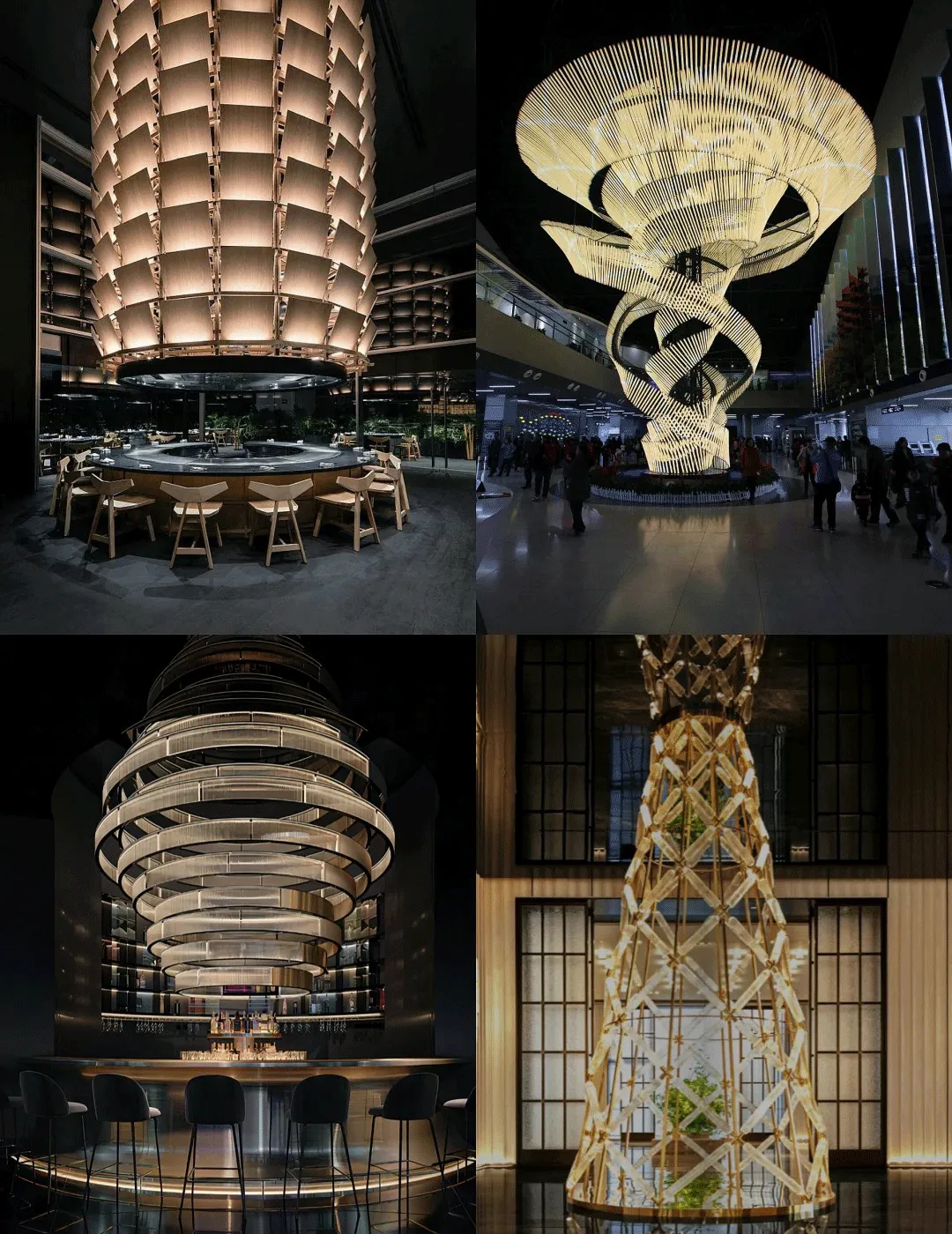
Picture this: you're driving down a busy street after dark. What catches your eye? If it's the glowing, oversized letters spelling out a cafe or boutique, that's no accident. Large light letters are more than decoration—they're silent salespeople working 24/7. But getting them right ? That’s where things get tricky. The difference between a sign that wows customers and one that fizzles out comes down to three things: materials , manufacturing processes , and electrical guts .
Fun fact: Studies show 75% of consumers judge a business by its signage quality. Skimping here is like showing up to a job interview in pajamas!
You wouldn’t build a house on sand—and you shouldn’t build letters with flimsy materials. Here’s the lowdown:
1. Acrylic (PMMA): The crowd favorite. It's like the reliable best friend—affordable, shatter-resistant, and plays nice with LED lighting systems . Perfect for curved letters but can yellow if cheap brands skimp on UV protection.
2. Aluminum: Think of it as the bodyguard material. Won’t rust, laughs off storms, but costs more. Great for coastal shops where salt air eats weaker metals.
3. Polycarbonate: The tough guy. Takes hits like a champ but can scratch easily. Use it in high-traffic spots where vandals or stray baseballs might strike.
Signs aren’t indoor pets—they brave snow, sun, and rain. In Arizona? Double-check UV ratings. Minnesota? Ensure materials handle -20°F without cracking. Pro tip: Always request weather-test certificates from suppliers. One client learned this the hard way when her sign warped like melted cheese during a Texas heatwave!
Robots aren’t taking over… yet. Laser cutters deliver razor-sharp edges for modern fonts, but craftsmen still shape intricate scripts by hand. Lighting fixtures like LED modules need precision holes—a millimeter off and letters glow unevenly.
Ever seen a sign filled with dead bugs? That’s poor sealing! Quality shops use:
⚠️ Warning: Skip "universal" mounting brackets. One café owner’s sign crashed because brackets couldn’t handle wind load—custom-fit always!
Electrics aren’t glamorous, but mess this up and your sign becomes a very expensive paperweight. Remember:
Low Voltage (12V/24V): Safer, flexible wires, perfect for multi-letter signs. But oversize wiring or voltage drop makes lights dim at the end.
Line Voltage (120V): Fewer transformers but requires rigid conduit and licensed installers—check local codes!
Transformers overheat, drivers fail. Mitigate chaos with:
A New York bakery saved $800 in lift fees because their electrician could access modules easily!
Local rules vary wildly:
Brightness: Some towns restrict lumens—too dazzling? Risk fines.
Placement: Historic districts ban protruding signs. One vintage store got a stop-work order mid-install—research first!
Signs need TLC too:
Before signing contracts:
Bottom Line: Great signs blend durability, craftsmanship, and smart electrical design. Invest wisely—it's the face of your business after-hours!
Recommend Products












