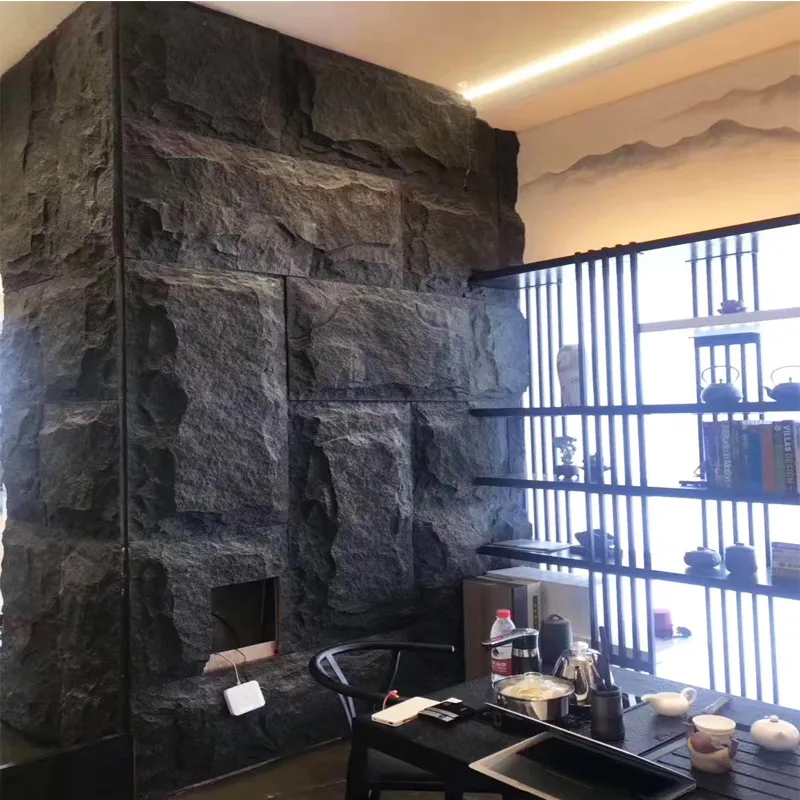
Mushroom Stones for Sale: The Ultimate Buying Guide
There's something inherently charming about materials that bring a touch of nature into our built environments. Mushroom stones, with their unique, organic shapes and earthy textures, have become a go-to choice for homeowners, architects, and designers looking to infuse spaces with warmth and character. Whether you're revamping your living room, sprucing up your backyard, or working on a commercial project, this guide will walk you through everything you need to know about buying mushroom stones—from understanding their origins to choosing the perfect fit for your space.
What Are Mushroom Stones, Anyway?
First things first: let's clear up what makes a stone a "mushroom stone." Picture a stone that looks like it was plucked straight from a forest floor—its edges are gently rounded, with a slightly convex top that slopes down like the cap of a mushroom, and a narrower base that gives it that iconic "mushroom" silhouette. This unique shape isn't just for show; it's often a result of natural weathering (think wind, water, and time slowly sculpting the stone) or careful craftsmanship by artisans who mimic nature's handiwork.
Mushroom stones come in two main types: natural and engineered. Natural mushroom stones are quarried from rock formations, where geological processes have already shaped them into those distinctive forms. Engineered versions, on the other hand, are made by casting concrete, resin, or other materials into molds that replicate the mushroom shape, offering more consistency in size and color.
Why Mushroom Stones? The Perks of Choosing This Unique Material
You might be wondering, "Why mushroom stones over regular tiles or bricks?" Let's break down the reasons they've become a favorite among designers and homeowners alike:
•
Timeless Aesthetics:
Their organic, rugged look adds instant character. Whether you're going for a rustic cabin vibe, a Mediterranean villa feel, or a modern space with natural accents, mushroom stones blend in seamlessly while standing out as a focal point.
•
Durability That Lasts:
Natural stone mushroom stones (like granite or sandstone) are tough enough to withstand the elements—rain, snow, UV rays—making them perfect for outdoor use. Even engineered versions, when made with high-quality materials, can hold up for decades with minimal wear.
•
Slip Resistance:
Their textured surface provides better grip than smooth tiles, which is a big plus for outdoor areas like patios, pool surrounds, or garden paths where safety is key.
•
Insulation Benefits:
Thick mushroom stones can help regulate temperature, keeping interiors cooler in summer and warmer in winter—a small but welcome energy-saving bonus.
•
Eco-Friendly Options:
Many natural mushroom stones are sourced sustainably, and engineered versions often use recycled materials, making them a greener choice for eco-conscious projects.
Key Things to Consider Before Buying Mushroom Stones
Buying mushroom stones isn't just about picking the first pretty option you see. To ensure they work for your project, here are the critical factors to keep in mind:
1. Material: Natural vs. Engineered
The first decision is whether to go natural or engineered. Let's compare the two:
Natural Stone
(e.g., sandstone, granite)
|
• Unique, one-of-a-kind patterns
• Unmatched durability
• High-end look
|
• Heavier (needs sturdy support)
• More expensive
• Color variation can be unpredictable
|
Outdoor walls, patios, high-traffic areas
|
Engineered
(e.g., concrete, PU)
|
• Lighter weight
• Consistent size/color
• Often more affordable
• Customizable
|
• Less "authentic" texture
• May fade in extreme sunlight
|
Indoor accent walls, low-traffic outdoor areas, budget projects
|
If you're aiming for a high-end, natural look and don't mind the extra weight, natural stone is the way to go. For indoor projects or areas where weight is a concern (like a second-floor accent wall), engineered mushroom stones are a practical, stylish alternative.
2. Size and Thickness: Getting the Scale Right
Mushroom stones come in a range of sizes, from small "tile-like" pieces (4x4 inches) to large slabs (up to 24x12 inches). The size you choose depends on two things: the space you're covering and the look you want.
•
Smaller stones (4x4 to 8x8 inches):
Great for detailed work, like a backsplash in a kitchen or a decorative border around a fireplace. They're also easier to handle for DIY installations.
•
Larger stones (12x12 inches and up):
Make a bold statement on feature walls or exterior facades. They cover more area quickly but require more planning to ensure even spacing and alignment.
Thickness matters too. Outdoor applications (like exterior walls) need thicker stones (1.5–3 inches) for stability, while indoor walls can use thinner options (0.75–1.5 inches) to save on weight.
3. Color and Texture: Matching Your Design Vision
Mushroom stones shine in earthy tones—think warm beiges, soft grays, rich browns, and even hints of red or green (depending on the stone type). When choosing a color, consider the existing palette of your space:
•
Neutral tones (beige, gray):
Versatile and easy to pair with other colors. They work in modern, traditional, and everything in between.
•
Warm browns or terracottas:
Perfect for creating a cozy, inviting atmosphere—ideal for living rooms or dining areas.
•
Deeper grays or blacks:
Add drama and contrast, great for modern spaces or as an accent against lighter walls.
Texture is just as important. Some mushroom stones have a rough, pitted surface that feels like it was pulled from a mountain, while others are slightly smoother with more subtle undulations. Ask yourself: Do you want a "wild" look (super textured) or a more polished rustic vibe (softer texture)?
4. Where Will They Go? Indoor vs. Outdoor Use
Mushroom stones are versatile, but indoor and outdoor projects have different needs. Here's what to keep in mind:
Indoor Spaces:
Think accent walls (TV backdrops, bedroom headboards), fireplaces, or entryway floors. For these, weight and moisture resistance are less of a concern, so you can prioritize aesthetics. Engineered stones work well here, as they're lighter and easier to install on drywall.
Outdoor Spaces:
Exterior walls, patios, walkways, pool decks, or garden retaining walls. Here, you need to focus on durability: natural stones like granite or sandstone are better for withstanding rain, frost, and sun. If using engineered stones, check that they're rated for outdoor use (look for terms like "frost-resistant" or "UV-stable").
Once you know what you want, the next step is finding a supplier you can trust. A good
mushroom stone supplier won't just sell you stones—they'll offer
mushroom stone solutions that include guidance, quality products, and support. Here's how to spot a keeper:
•
Quality Samples:
A reputable supplier will send you physical samples so you can check the texture, color, and thickness in person. Photos online can be misleading, so seeing (and touching!) the stone is a must.
•
Transparent Sourcing:
For natural stones, ask where they're quarried. Sustainable, ethical sourcing is a plus. For engineered stones, inquire about the materials used—avoid suppliers who skimp on quality (e.g., using cheap concrete that cracks easily).
•
Customer Reviews:
Check online reviews or ask for references. Happy customers will mention things like on-time delivery, consistent quality, and helpful customer service.
•
Customization Options:
If you need specific sizes, colors, or finishes, look for a supplier who offers custom orders. Many mushroom stone suppliers now provide tailored solutions for unique projects.
•
Installation Support:
Some suppliers go the extra mile by providing installation guides, recommended adhesives, or even referrals to local contractors. This can save you time and stress, especially if you're new to working with stone.
Pro tip: Don't just go with the cheapest option. A slightly higher price from a reliable supplier often means better quality and fewer headaches down the line.
Installation 101: Tips for a Smooth Mushroom Stone Project
Installing mushroom stones isn't rocket science, but it does require some prep work. Here's a quick guide to get you started:
•
Prep the Surface:
Whether you're installing on drywall (indoor) or concrete (outdoor), the surface needs to be clean, flat, and stable. Patch any cracks, remove dust or debris, and ensure it can support the weight (especially for natural stones).
•
Choose the Right Adhesive:
For indoor walls, a strong construction adhesive works. For outdoor or wet areas (like a pool deck), use a mortar mix designed for stone. Your
mushroom stone supplier can recommend the best product for your project.
•
Plan the Layout:
Lay out the stones on the ground first to arrange them in a pattern you like. Mix sizes and colors (if using natural stone) for a more organic look, or keep them uniform for a cleaner aesthetic.
•
Grout with Care:
After installing the stones, fill the gaps with grout that matches or complements the stone color. For a rustic look, use a sanded grout with a rough texture; for a sleeker finish, opt for unsanded grout.
If DIY isn't your thing, hire a pro. Stone installation requires precision, and a skilled contractor will ensure the stones are level, secure, and long-lasting.
Caring for Your Mushroom Stones: Keep Them Looking Great for Years
With a little care, your mushroom stones will stay beautiful for decades. Here's how to maintain them:
Regular Cleaning:
For indoor stones, wipe them down with a damp cloth or soft brush to remove dust. For outdoor stones, a gentle spray with a hose (avoid high-pressure washers, which can damage the surface) works. Avoid harsh chemicals—mild soap and water are all you need.
Sealant for Natural Stones:
Natural stones are porous, so they can absorb stains (like oil or wine). Apply a stone sealer every 1–3 years (outdoor stones may need it more often) to protect against moisture and discoloration. Your supplier can recommend a sealer that works with your stone type.
Check for Damage:
Every few months, inspect outdoor stones for cracks, loose grout, or chips. Fix small issues early (e.g., re-grouting gaps) to prevent bigger problems later.
Design Inspiration: How to Style Mushroom Stones in Your Space
Still not sure how to use mushroom stones? Here are a few ideas to spark your creativity:
•
Rustic Living Room:
Use small, irregular mushroom stones to create a TV backdrop. Pair with wooden beams, a leather sofa, and warm lighting for a cabin-like feel.
•
Outdoor Oasis:
Line your patio with large mushroom stone slabs in earthy browns. Add potted plants, string lights, and a wooden dining set for a cozy outdoor dining area.
•
Modern Kitchen:
Mix smooth subway tiles with mushroom stone accents on the backsplash. The contrast between sleek and rugged adds depth without overwhelming the space.
•
Garden Path:
Use small, flat mushroom stones to create a winding path through your garden. Their slip-resistant surface makes them safe to walk on even when wet, and they blend in beautifully with plants and flowers.
•
Entryway Statement:
Cover your entryway wall with mushroom stones in soft grays. Add a wooden bench and a mirror with a wrought-iron frame for a welcoming first impression.
Wrapping Up: Your Journey to Mushroom Stone Success
Mushroom stones aren't just building materials—they're storytellers. Their rugged textures and earthy tones bring a piece of the outdoors inside, creating spaces that feel lived-in, warm, and full of character. By choosing the right material, size, and supplier, and following the tips in this guide, you'll be well on your way to transforming your project with this unique stone.
Remember, the best mushroom stone project is one that fits
your
vision. Whether you're going all-in with a full exterior wall or adding subtle accents, trust your instincts—and don't be afraid to get creative. With the right approach, mushroom stones will turn your house into a home that feels uniquely yours.