
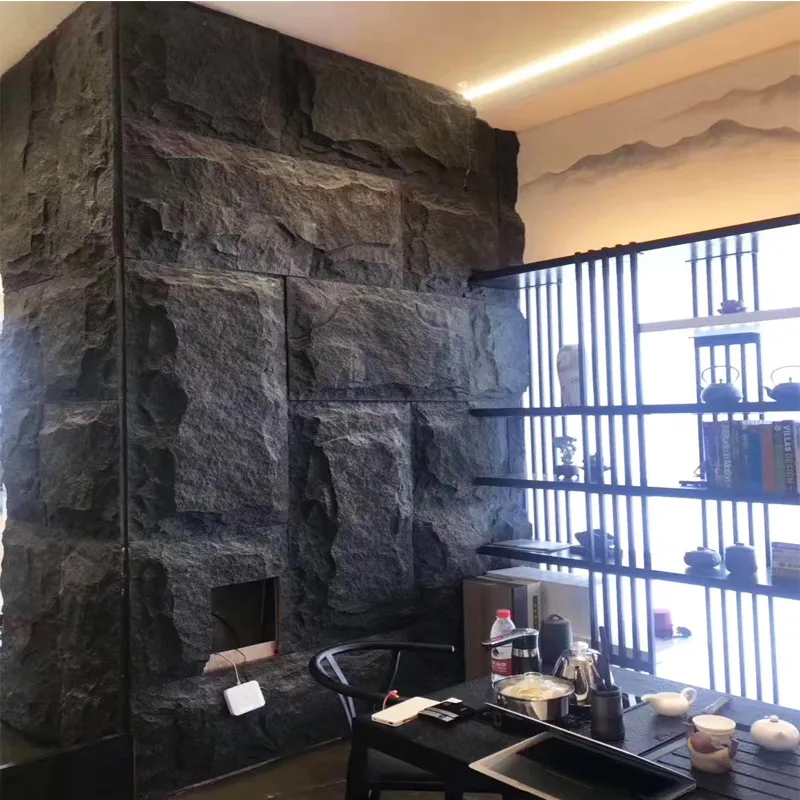
If you're exploring natural building materials, you've probably heard whispers about mushroom stone. But what exactly is this intriguing material? Picture this: rugged textures that echo ancient forests, durable surfaces that withstand decades of weather, and an organic charm that breathes life into any space. By 2025, mushroom stone isn't just a niche product – it's becoming a mainstream favorite for architects, interior designers, and homeowners craving that perfect blend of nature and sophistication.
Let's cut to the chase: mushroom stone earns its name from how it's quarried, not because it's made from fungi. Workers extract these stones in mushroom-cap shapes with wider tops and tapered bases, creating a unique stacking profile. The magic? Each piece fits together like puzzle pieces, giving walls and surfaces that effortlessly organic look. They're like nature's LEGOs – perfectly imperfect.
What really pulls people in is the character. Unlike uniform tiles, mushroom stones celebrate irregularities. Those grooves, color variations, and weathered textures tell a geological story. You're not just getting a building material; you're bringing a slice of mountain terrain into your living room.
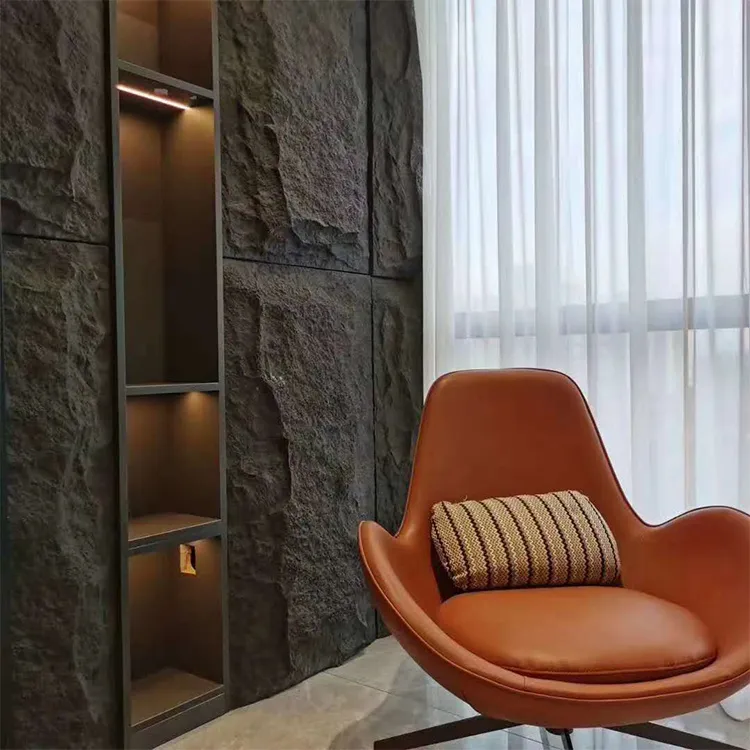
Not all mushroom stones are created equal. Walk through any supplier's catalog today, and you'll discover five main varieties, each with its own personality:
The go-to for contemporary designs. With flecks of natural shimmer and subtle grain patterns, quartz creates that sophisticated whisper rather than a shout.
The rugged cousin in the family. When you want drama and texture, granite delivers with bold mineral patterns and chiseled edges that catch light and shadow beautifully.
Here's where innovation shines. These feather-light panels mimic stone perfectly but bend around corners. Perfect for feature walls where traditional stone wouldn't work.
The warmest personality of the bunch. With soft earthen tones and subtle stratification lines, sandstone brings cozy elegance to outdoor patios and fireplace surrounds.
A vibrant newcomer. These blend stone chips with resin for confetti-like surfaces that add playful sophistication to kitchens and accent walls.
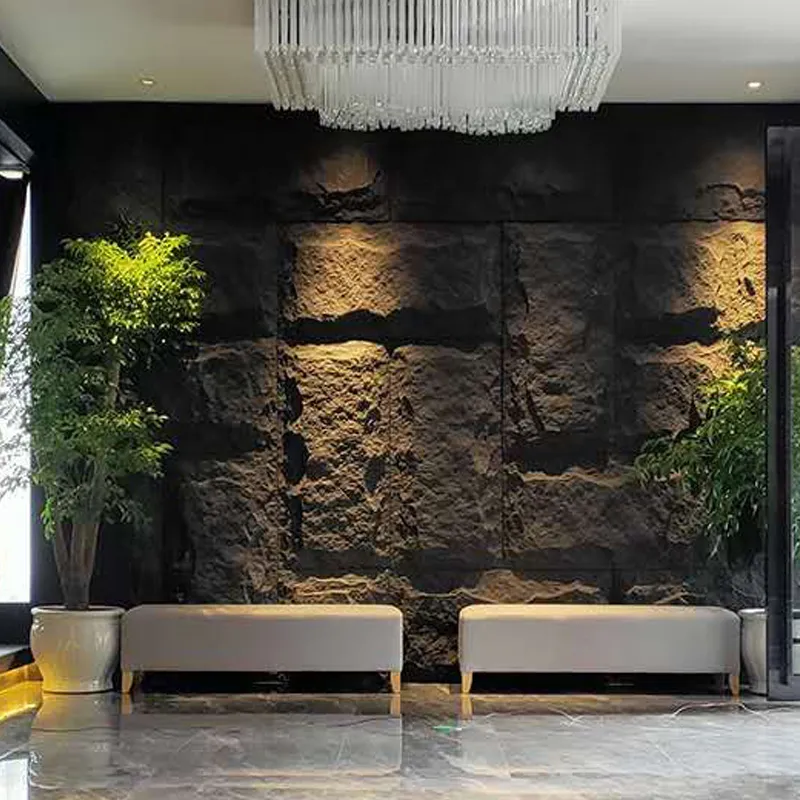
Wondering where to actually use these stones? They're surprisingly versatile:
| Exterior Walls | Granite split-face creates castle-like textures | High weather resistance |
| Kitchen Backsplashes | Thin quartz panels as practical artwork | Easy cleaning, heat resistant |
| Outdoor Kitchens | Sandstone countertops that age beautifully | Naturally cool surface for prep |
| Feature Walls | Flexible PU panels wrapping columns | No structural support needed |
| Garden Pathways | Random slab placements among moss | Anti-slip, weed-resistant joints |
The true beauty? Mix-and-match possibilities. Pair granite base layers with terrazzo caps, or blend quartz slabs with sandstone accents. Designers are getting gloriously experimental.
2025's mushroom stone market feels like watching a quiet revolution. Three big currents shaping things:
1. Eco-Credentials Matter More - Buyers increasingly ask about carbon footprints and sourcing transparency. Responsibly quarried stone becomes a selling point.
2. Rise of Hybrid Materials - Expect more innovations like stone-resin blends that keep authentic looks while boosting flexibility and thermal performance.
3. Color Revival - Move over grey! Terrazzo and quartz varieties introduce warm corals, deep blues, and forest greens to stone palettes.
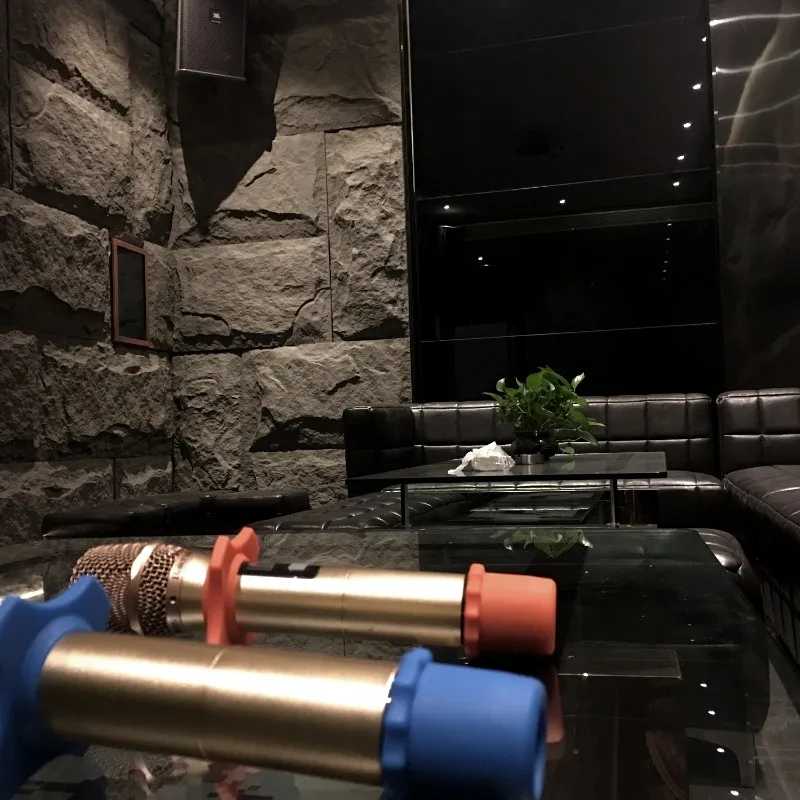
Getting that flawless finish? Here’s how the pros handle mushroom stone:
• Prep is Everything – Ensure surfaces are flat but not slick. A slightly rough substrate helps adhesion.
• Dry-Lay First – Arrange stones on the ground to find pattern harmonies before committing to mortar.
• Mind the Joints – Wider gaps (8-15mm) between stones amplify that rustic charm while accommodating natural variations.
• Seal Wisely – Use penetrating sealers on sandstones and granites; topical coatings work best for smoother surfaces.
Most contractors charge $50–$100/sqm for installation, depending on pattern complexity and substrate prep.
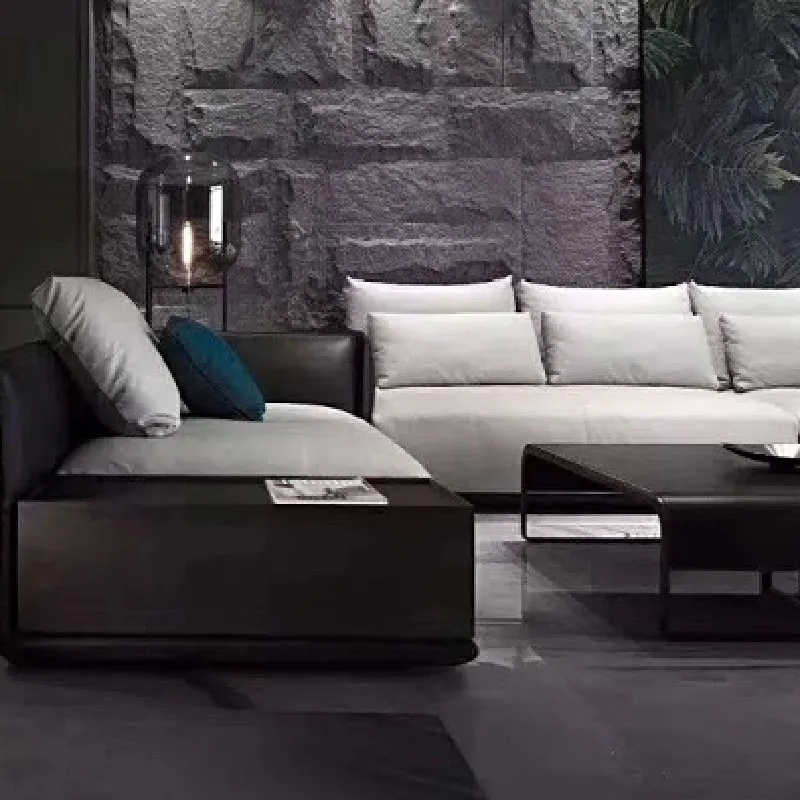
Mushroom stone naturally scores points in green building. Since it's literally carved from mountains, it requires no synthetic manufacturing processes. Its thermal mass helps regulate interior temperatures, and its durability means replacing it might be your great-grandchildren's problem.
But here's what savvy shoppers are asking: How far was it transported? What restoration plans does the quarry have? More suppliers now offer localized sourcing from region-specific quarries to slash carbon footprints. Plus, innovations like PU panels are making these looks accessible without the weight of traditional stone.
These green innovations are transforming mushroom stone into one of the most eco-friendly choices in today's construction world.
By 2025, mushroom stone will keep evolving. Think thinner profiles, innovative textures like leather-finished surfaces, and improved mortar systems for faster installations. Price premiums for rare colors like blues and greens will soften as quarrying techniques advance.
The biggest shift? Expect mushroom stone to blur indoor-outdoor boundaries. Imagine unified walls flowing from living rooms into gardens, and kitchen islands continuing seamlessly onto patios. When done right, these stones become the architectural glue that connects us with landscapes.
With options ranging from budget-friendly $7 PU panels to premium $100+/sqm granites, mushroom stone lets you choose your aesthetic adventure. Whether going earthy and organic or sleek and contemporary, 2025’s offerings prove that sometimes, the best innovations are quite literally set in stone.
Recommend Products












