
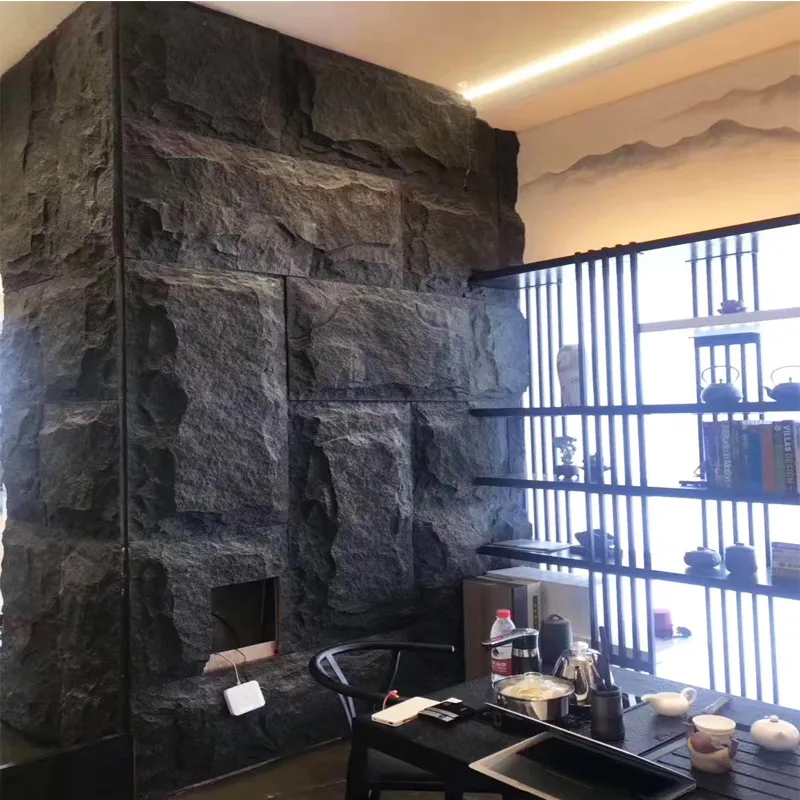
Hey there, nature-loving designers! Ever walked through an old forest and felt your soul breathe? That magic you experience—crunching leaves underfoot, dappled sunlight through the canopy—is what modern architecture is craving. We’re bringing forests into our spaces, and mushroom stone is leading the charge.
I remember stumbling upon a hidden courtyard in Kyoto years ago—moss-covered stones, weathered textures, whispers of ancient tranquility. That memory is why I’m thrilled to unpack how mushroom stone isn’t just a material. It’s a revolution blending nature’s genius with human creativity.
Picture a mushroom in the wild. Its stem isn’t bulky—it’s elegantly strong. The cap isn’t heavy—it shelters life without crushing the earth. Nature perfected this design over millennia, and we’re finally learning to borrow it.
But let’s get nerdy for a sec. Mycelium, fungi’s root-like network, is Earth’s original 3D printer. It weaves through soil, decomposing waste to create living architecture . Now, innovators like Ecovative Design grow insulation panels and bricks from this biological wonder. Lightweight? Fire-resistant? Biodegradable? Check, check, and check.
“Using mycelium isn’t just sustainable—it’s poetic. We’re collaborating with nature instead of conquering it.” —Ecovative engineer
Remember New York’s 2014 Hy-Fi Pavilion ? Its honeycomb towers were built entirely of mushroom bricks. Visitors touched it, smelled it, felt its soft texture. That’s architecture connecting , not just enclosing space.
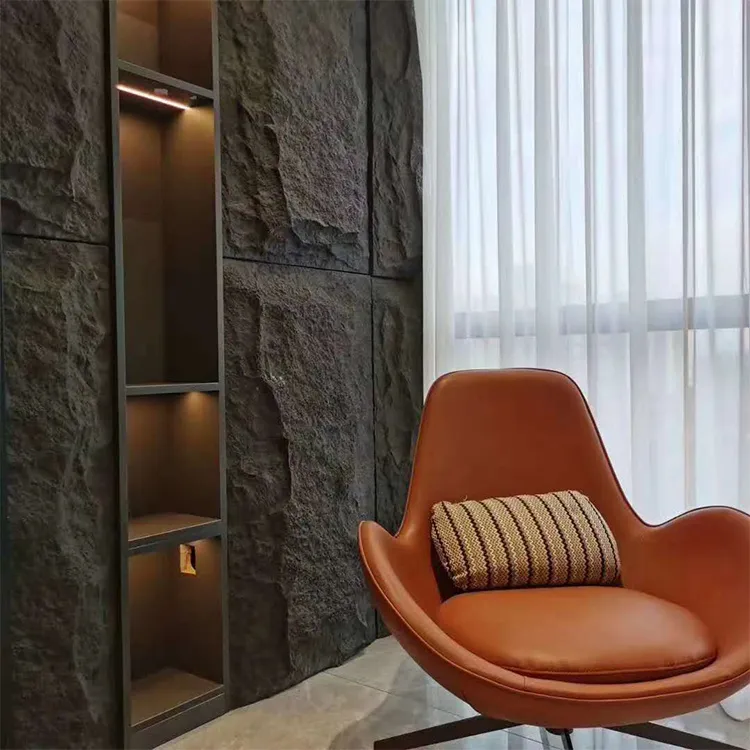
Traditional stone façades whisper elegance but scream logistical nightmares. Heavy. Costly. Inflexible. Baidai’s lightweight mushroom stone flipped the script. Now imagine a villas courtyard in Tuscany:
Casa Verde Renovation - Architect Luca Rossi needed ecological integrity without compromising aesthetics. He chose flexible mushroom stone panels—so light, the existing structure didn’t need reinforcement. The result? A textured, rustic wall aging gracefully like natural stone.
Here’s the kicker: Baidai’s innovation isn’t just lighter. Its production slashes energy use by 80% , and it’s recyclable. That’s where flexible stone wall panels shine (your keyword, quietly changing the game).
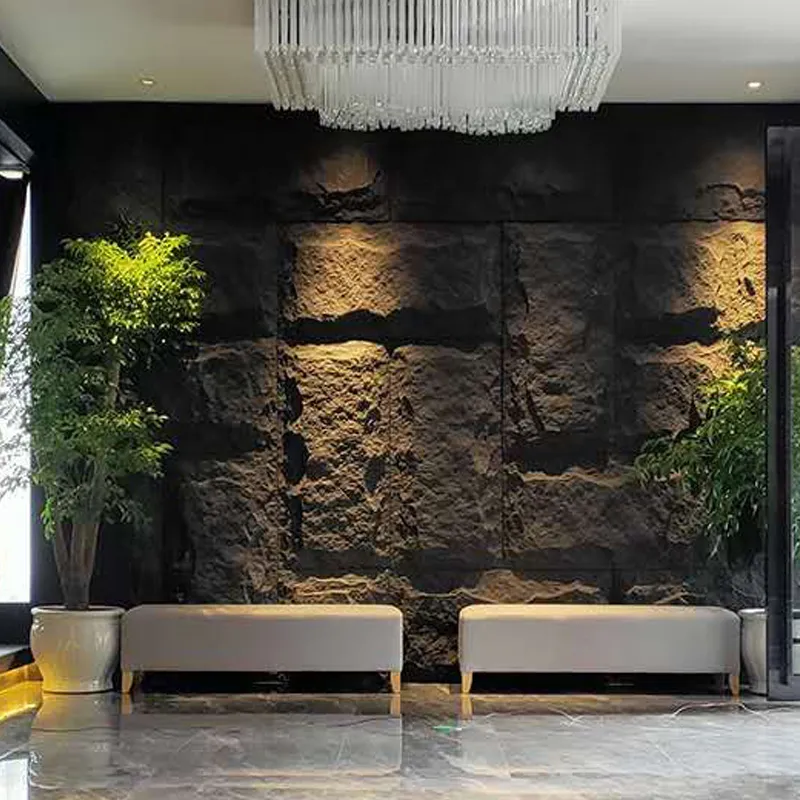
Think of mycelium as the soul—invisible but foundational—and mushroom stone as the body you see and touch. Combine them like this:
This isn’t just aesthetic. A Zurich study found biophilic spaces using these materials reduce stress hormones by up to 35% .
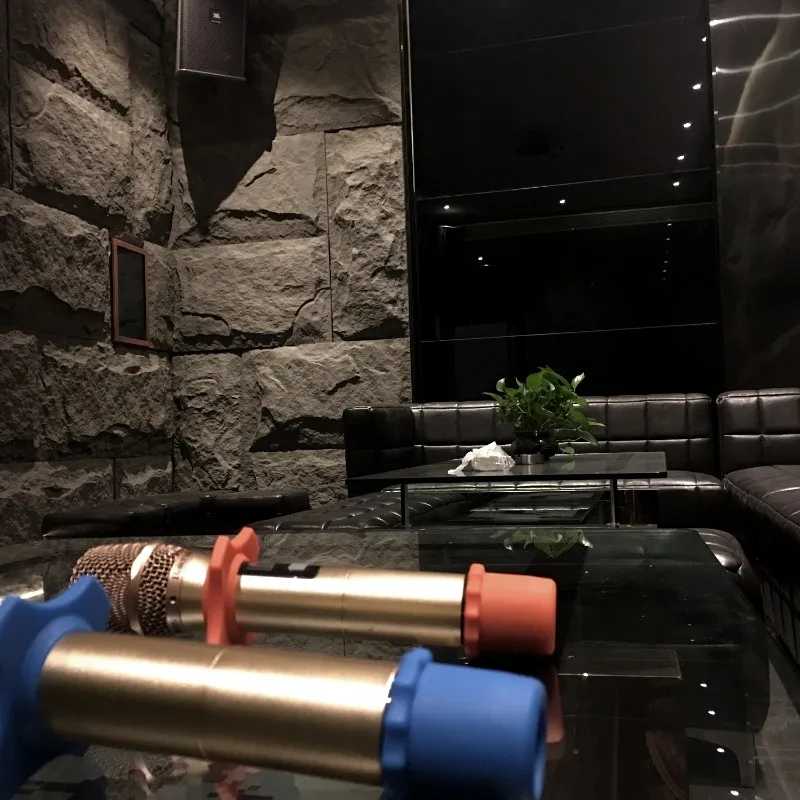
Scaling mycelium production and standardizing regulations remain hurdles. But imagine walking through a city where buildings breathe, heal themselves, and house insect ecosystems—because we designed them to.
In Shanghai, architects prototyped a rainwater filtration system using mycelium channels behind mushroom stone cladding. Water flowed through nature’s filtration, cleaner and faster than concrete drains.
As materials evolve, mushroom stone will shift from trend to timelessness. Its rugged charm won’t fade—it’ll deepen, telling stories through patinas.
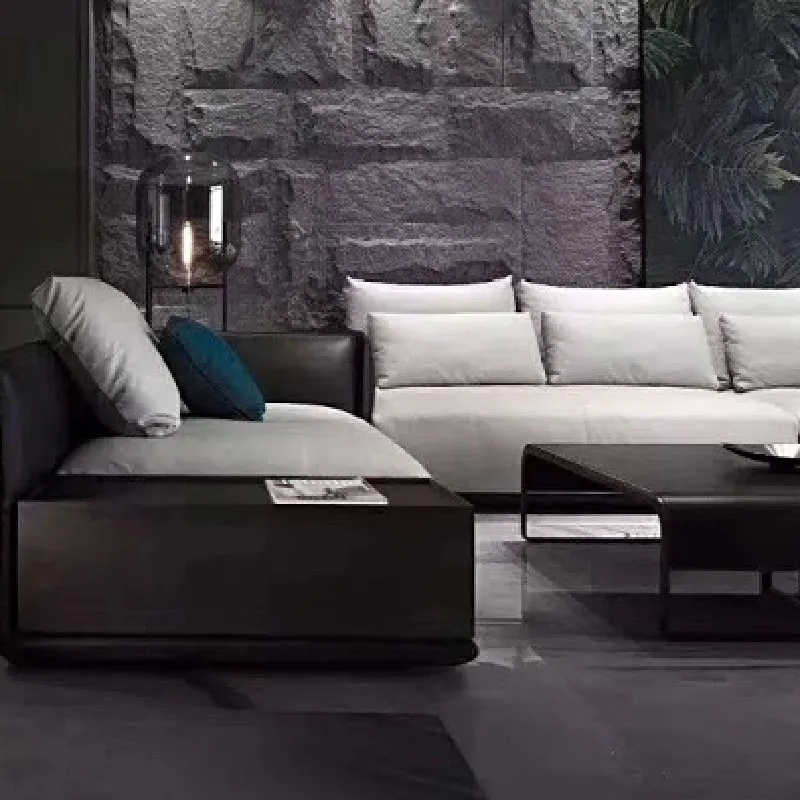
Forget sterile modernism. What if we built places as alive as the forests that inspire us? That’s mushroom stone’s promise.
Start small. Line a balcony wall with light mycelium panels. Build a garden path with stone-textured tiles. Feel the shift when material and meaning intertwine.
This isn’t just design—it’s rekindling our bond with Earth. As mycelium artist Anne Carlson says: “We’re not building homes. We’re creating habitats for joy.”
Recommend Products












