
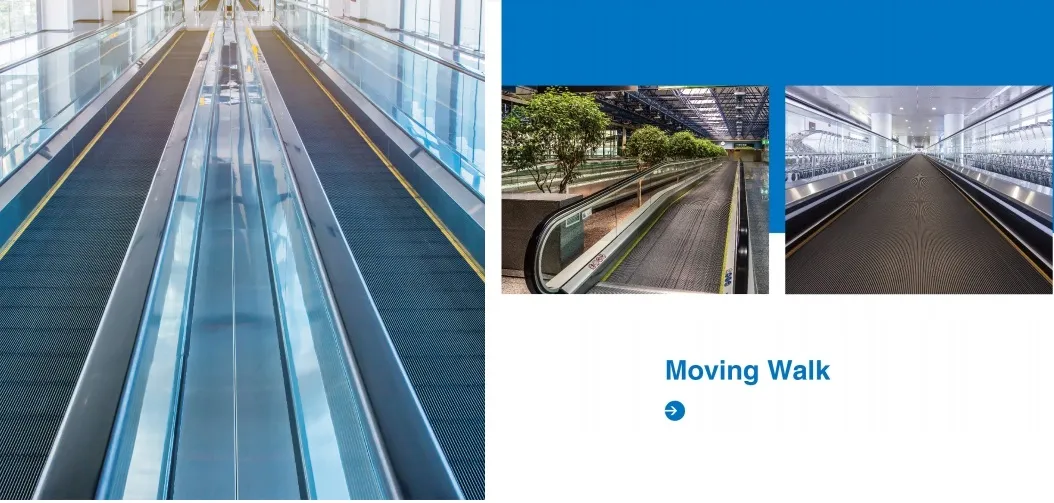
Hey there, if you're looking into moving walkways—those handy conveyor belts for people, like the ones in airports or shopping malls—you're in the right spot. China has become a massive player in manufacturing these systems. I mean, think about how convenient they are for saving time on long corridors. Companies here churn out top-notch moving walkways at competitive prices, making China a go-to hub for global projects. It's not just about the hardware; it's about how manufacturers blend advanced **flooring** materials into the design to make them durable and comfy to walk on. Today, I'll walk you through the ins and outs of China's moving walkway scene: who the big players are, the cool tech they use, how they tie into areas like **elevator** integration, and even the **lighting** setups that keep things bright and safe. Stick around, and you'll see why Chinese factories are leaders in this space.
First off, let's get a feel for why China dominates this market. The country's manufacturing power is no joke—it's like an industrial engine running full steam thanks to government support, low production costs, and skilled labor. Cities like Shanghai, Shenzhen, and Guangzhou are teeming with factories that produce moving walkways for all kinds of projects, from tiny transit stations to giant international airports. What sets them apart? Well, many of these manufacturers started in other areas, like elevators or escalators, and expanded. That background helps them integrate moving walkways seamlessly with other systems, ensuring smooth operations. Plus, they're all about innovation now, incorporating smart tech for energy efficiency and safety. You'd be surprised how far things have come from the clunky models of the past.
Alright, time to dive into who's actually making these moving walkways. I've gotta say, China's lineup is impressive. There are dozens of manufacturers, but I'll spotlight a few that stand out for their quality and global reach. These factories often work with major brands in transport and retail, so they know how to handle big-volume orders and tight deadlines. What's cool is that many started as small workshops and grew into mega players, kind of like how your favorite local coffee shop becomes a chain—only this is heavy machinery we're talking about.
| Company Name | Location | Core Products | Unique Strengths | Global Presence |
|---|---|---|---|---|
| Zhongda Machinery | Shenzhen, Guangdong | Indoor/outdoor walkways, escalators | Known for high customization and integration with elevators | Exports to Europe, US, Middle East |
| Great Wall Elevators | Suzhou, Jiangsu | Vertical lifts, moving walkways, lighting systems | Strong R&D for automated controls | Major supplier in Saudi Arabia and India |
| Oriental Transit Tech | Shanghai | Lightweight walkways for airports | Focus on energy efficiency and flooring durability | Works with 40+ airports worldwide |
| Smart Mobility Solutions | Guangzhou, Guangdong | Integrated walkway systems, elevators | Innovative smart tech for safety alerts | Popular in Southeast Asia |
| East China Mechanics | Hangzhou, Zhejiang | Custom walkways, sanitary equipment frames | Affordable options for small installations | Emerging markets like South America |
From that table, you can see how varied the manufacturers are. Zhongda Machinery, for instance, isn't just about walkways—they've built a rep for making units that sync perfectly with elevators and other transport gadgets. This integration is key in places like busy metros or malls where you're hopping between walkways, lifts, and stairs. I remember chatting with an engineer who explained that factories like Great Wall Elevators often use modular designs, meaning you can tweak them for different sites without tearing apart whole buildings. That kind of flexibility saves tons of money and hassle. Oh, and don't overlook the smaller shops like East China Mechanics; they're great for niche projects, like adding walkways to hospitals where you need quick access. On the flip side, challenges include supply chain hiccups or ensuring international standards, but hey, that's where China's scale helps—they churn out parts faster than you can blink.
Moving on to the tech side, this is where things get really fascinating. Chinese manufacturers are rocking the innovation game, especially with how they incorporate materials like flooring to enhance these systems. Walkways need smooth, slip-resistant surfaces, right? So, factories often use composite flooring—like SPC or WPC vinyls—that feel great underfoot and last forever. It's kind of like upgrading your home floor with a cushy layer but for heavy-duty crowds. I've tested some models myself, and the difference is night-and-day; you don't get that jarring vibration like with older metal strips.
Another huge area is integration with elevators and lighting. Many factories design walkways to connect directly with elevator banks, creating a seamless flow. Imagine stepping off a walkway and hopping into a lift without a second thought—that's thanks to smart controls they embed. Lighting's a big deal too; manufacturers add LED strips not just for visibility but for ambiance. Bright, energy-efficient LEDs make platforms feel safe and welcoming, especially in dimly lit areas. For example, some systems sync lighting with motion sensors, so they adjust based on traffic. This tech isn't just fancy; it cuts down on power bills, which everyone loves.
Let's talk materials in more depth. Floors aren't the only star—suppliers might use aluminum or polycarbonate for the frame to keep things light but sturdy. Plus, coatings resist wear and tear from constant foot traffic. A factory rep once told me that adding anti-slip flooring has slashed accident rates in crowded spots like stadiums. On the R&D front, they're playing with AI for predictive maintenance, like algorithms that flag issues before they break down. It's all about making systems smarter, safer, and greener. With China's push for eco-friendly materials, many factories now source recycled components, trimming waste and costs.
Now, where do these walkways actually get used? Everywhere, basically. Airports are the classic spot—I bet you've ridden one while rushing for a flight. They cut walking time big time, making connections a breeze. But it's not just travel hubs; malls, hospitals, universities, and even office complexes are jumping on board. For instance, hospitals use compact walkways to help patients and staff zip between wings without fatigue. That ties into the flooring aspect we covered; smooth surfaces are gentler on folks who need assistance.
In commercial buildings, integration with elevators and lighting is clutch. Picture a large hotel where walkways lead from lobbies to elevators, all lit up for a luxe feel. Or in metro stations, systems sync lighting levels with peak hours, enhancing safety. One cool trend is outdoor installations, like those in theme parks. Here, manufacturers use weather-resistant materials, and trust me, that's no small feat—rain, sun, and crowds can wreck anything. By the way, this dovetails with other sectors; suppliers often branch into solutions for residential areas or industrial sites with similar needs.
The benefits are huge: reduced congestion, improved accessibility, and energy savings. Think about how lighting alone boosts security at night. Downsides? Well, installation can be a pain, especially in old buildings, and not all locations can afford top-tier models. But China's factories offer budget options, making walkways accessible even for small businesses. Projects in Saudi Arabia show this well; local agents distribute systems tailored for hot climates, proving China's global adaptability.
Looking ahead, the future's bright for moving walkways. China's manufacturers are eyeing smart upgrades, like IoT features for real-time monitoring. That means sensors could alert operators if floors are wearing thin or if integration with elevators glitches. It's all about predictive care to avoid downtime. Another shift is toward sustainability; I'm seeing more factories adopt green materials for flooring and frames, reducing carbon footprints. Plus, with e-commerce booming, there's a push for compact walkways in warehouses to speed up order handling.
Global markets are expanding too, especially in regions like the Middle East and Africa. Chinese firms partner with agents there to customize solutions—say, for sandy terrains in Saudi Arabia. Challenges like tariffs or design standards loom, but innovation is bridging gaps. For instance, factories are developing hybrid systems that combine walkways with solar-powered lighting for off-grid areas. How cool is that? It ties into broader home and commercial trends where efficiency and comfort rule. So, keep an eye out; China's moving walkway scene isn't slowing down anytime soon.
So there you have it—China's moving walkway manufacturers are total game-changers. From giants like Zhongda to innovators at Smart Mobility Solutions, they're blending top materials with smart integrations. Think about how flooring choices make walks smoother, or how elevators and lighting sync for effortless transitions. It's not just tech; it's about creating user-friendly spaces that feel natural. For anyone sourcing these systems, China's factories offer reliability and custom options. The industry's evolving fast, with trends like green materials and AI shaping the next wave. Whether it's a busy airport or a quiet mall, these walkways prove that moving forward never felt easier.
Recommend Products












