


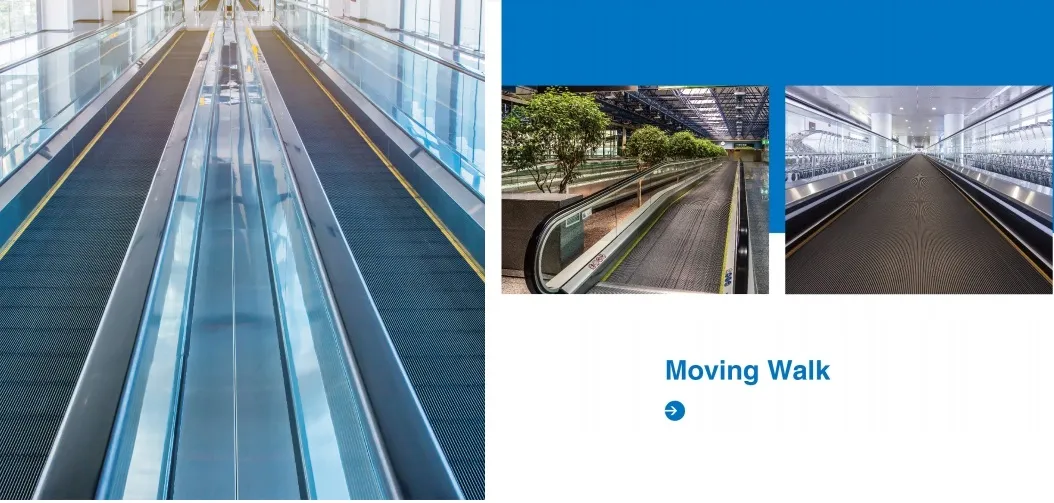
Ever noticed how some moving walkways just feel right ? You step on, and it's like the whole experience—smooth, efficient, and surprisingly human-centered. That’s no accident. Designing these systems for airports or train stations isn’t just about moving people from point A to B. It’s about understanding how materials, lighting, and tech work together to create stress-free journeys.
The Nuts and Bolts of Smart Design
Let’s get real: a poorly designed walkway can turn transit hubs into frustration zones. Picture this—stumbling on uneven joints or squinting in dim corridors. To avoid these nightmares, designers focus on three non-negotiables:
- Safety First —Slip-resistant surfaces, visible edges, and emergency stops
- Flow Optimization —Matching speed to crowd patterns and peak hours
- Accessibility —Gentle inclines and tactile guides for visually impaired travelers
Why Materials Make or Break the Experience
That surface under your feet? It’s doing heavy lifting. For high-traffic zones, commercial flooring systems aren’t optional—they’re essential. Take SPC flooring. It’s rigid enough to handle luggage wheels yet forgiving underfoot during long transfers. Or LVT vinyl flooring, which combines water resistance with easy maintenance—a lifesaver when coffee spills meet rush hour.
| Material Type | Best For | Durability |
|---|---|---|
| SPC Flooring | Heavy luggage areas | Extreme impact resistance |
| LVT Vinyl | Food court connections | Stain/waterproof |
| WPC | Outdoor-indoor transitions | Weather tolerance |
And let’s not forget pipe fittings beneath the surface. Stainless steel fittings in hydraulic systems ensure the walkway adapts to load changes without jerking—because nobody enjoys an unexpected lurch mid-stride!
Lighting: The Unsung Hero of Navigation
Low light in transit hubs isn’t just gloomy—it’s risky. Strategic lighting fixtures guide passengers intuitively. For example:
- Integrated LED strips along handrails activate during low-visibility conditions
- Architectural lighting solutions above highlight entry/exit zones
- Motion-sensing overhead lights conserve energy during quiet hours
In Munich’s Central Station, color-tunable commercial lighting shifts from cool white at dawn to warm tones at night—reducing traveler fatigue subconsciously.
When Walkways Meet Wider Infrastructure
A walkway isn’t an island. Its success hinges on harmonizing with the hub’s ecosystem. Key integration points include:
Vertical Links
Aligning walkway endpoints with elevator suppliers' placements for seamless transfers
Energy Synergy
Connecting to the hub’s solar panels reduces grid reliance during peak ops
Real-World Wins: When Design Meets Reality
Changi Airport’s "Kinetic Rain" corridor pairs moving walkways with suspended art sculptures. The secret? Using aluminum ceiling tiles to anchor dynamic installations without compromising structural integrity—proving beauty and function can coexist.
"The best designs disappear. You don’t notice the walkway—you notice how much time you saved."
— J. Reynolds, Transit Infrastructure Specialist
What’s Next? Smarter, Softer Mobility
The future whispers of AI-driven flow optimization. Imagine walkways adjusting speeds using real-time phone density data! Or integrated acoustic mineral ceiling panels that dampen ambient noise—making calls clearer. Sustainable angles are also rising, with recycled polypropylene composites replacing traditional materials.
One thing’s certain: as high-quality building materials evolve, tomorrow’s walkways will feel less like machinery and more like natural extensions of human movement.
Wrapping It Up: People Over Mechanics
At its heart, moving walkway design isn’t about engineering—it’s about empathy. Choosing the right pipe fittings ensures reliability; smart lighting fixtures reduce anxiety; commercial flooring systems make journeys steadier. When these elements click, transportation hubs transform from stressful mazes into thoughtful pathways. And isn’t that what travel should be—a little less chaos, a little more flow?










