
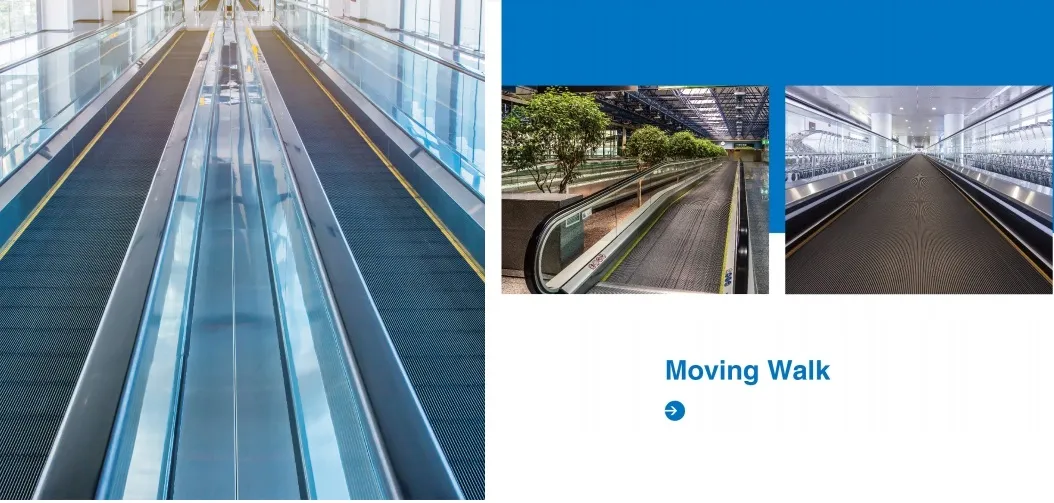
Planning a commercial or large residential project? Here's your plain-English breakdown of installation expenses for people-moving systems
Whether you're designing an airport terminal or a massive shopping complex, moving walkways solve real problems. They're not just about moving people faster - they improve traffic flow, reduce congestion points, and make large spaces feel more accessible. For commercial flooring systems in high-traffic zones, they're often the unsung heroes of smart architectural planning.
These systems pair exceptionally well with commercial flooring options like waterproof flooring and polished tiles, creating cohesive transit zones. Architects particularly appreciate how integrated ceiling systems and well-designed flooring solutions complement walkway installations.
Installation prices vary more than most realize. Beyond equipment costs, structural prep work often surprises project managers. Let's unpack the numbers:
| Walkway Type | Length Range | Basic Install | Premium Install | Critical Notes |
|---|---|---|---|---|
| Standard Commuter | 100-150 ft | $90,000-$140,000 | $180,000-$250,000 | Requires flooring demolition/replacement |
| Compact Inclined | 40-80 ft | $65,000-$110,000 | $135,000-$190,000 | Structural reinforcement needed |
| Outdoor Weatherized | 60-120 ft | $130,000-$200,000 | $260,000-$350,000 | Drainage system integration required |
Why such dramatic price ranges? Three hidden factors drive costs:
Many contractors overlook how adjacent walls impact installation. When the system borders bathroom walls or kitchen spaces, waterproofing requirements add 15-22% to the project budget due to specialized sealing needs.
The materials around your walkway make a financial difference:
Opting for commercial-grade waterproof flooring adjacent to walkways reduces long-term maintenance by 40%. Similarly, choosing modular ceiling systems prevents expensive demolition during future upgrades.
Pairing walkways with high-end flooring like marble creates nightmarish transition zones. One Las Vegas hotel spent $310,000 just to redo tile transitions after their initial installation. Likewise, customized bathroom fixtures near walkway endpoints increase labor costs by 25-35 hours per project.
Three trends will impact walkway decisions through 2030:
1. Material Evolution
New composites are replacing traditional steel components, with major manufacturers experimenting with stone cladding alternatives that mimic architectural decorative stone at 60% the weight. These developments mean less structural reinforcement needed during installation.
2. Smart Integration
Expect built-in people counters and AI traffic flow systems as standard by late 2025. Ensure your control room interfaces with these systems by planning conduit paths during initial installation.
3. Maintenance Revolution
Self-lubricating tracks and moisture-resistant electronics modeled after marine-grade bathroom equipment will dominate new installations. This means prioritizing suppliers using marine-grade stainless steel components.
Not all construction teams handle these specialized installations well. Ask potential contractors:
Remember: The best moving walkway contractors usually also specialize in commercial flooring systems and integrated ceiling installations. This coordination experience prevents scheduling nightmares.
Modern moving walkways involve far more than just the machinery. Their relationship with flooring solutions, ceiling systems, and surrounding walls determines both upfront costs and decades of maintenance expenses. As material science advances in waterproof flooring and architectural decorative panels, we're seeing smarter, lighter systems emerge that simplify installations.
Plan for these systems early - ideally during schematic design. The difference between thoughtful integration and retrofitting could mean six figures in savings. And if your project involves humid zones, remember that tile work near walkways requires special consideration.
Looking toward 2026, expect more prefabricated solutions that reduce on-site assembly time. But for now, careful planning remains your most valuable cost-control tool. Whether installing in a shopping center or transportation hub, understanding these interconnected systems prevents budget surprises.
Recommend Products












