
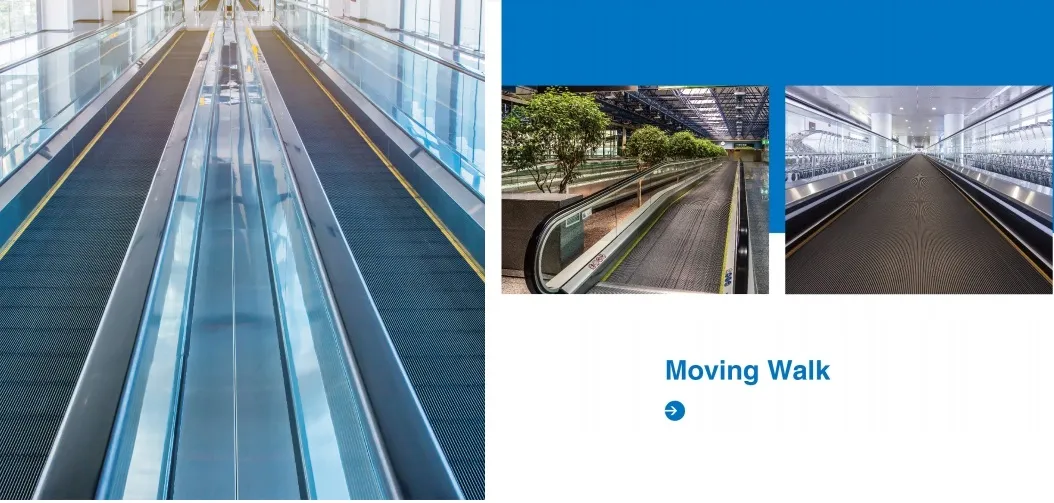
Ever rush through airports dragging luggage, just praying that moving walkway is working? Those magical conveyor belts get us where we need to go, but they're way more complex than they look. It's not just about the belt – dozens of unsung heroes work behind the scenes. Understanding these components isn't just for engineers; it helps building managers and facility planners make smarter choices.
We're breaking down 15 critical moving walkway accessories that keep people gliding smoothly. Some connect directly to the structure, others handle power and safety – all crucial. Whether you're in charge of a new shopping mall installation or maintaining airport systems, knowing these parts pays off big time in the long run.
Durability:
Cheaper components wear out fast in heavy-traffic areas.
Safety:
Emergency brakes and sensors save lives during malfunctions.
Maintenance:
Smart part choices = fewer shutdowns and repair headaches.
Electrical equipment
integration is absolutely vital for everything from sensors to motors. You can't afford hiccups here – this isn't just about convenience, it's about reliability in demanding
commercial flooring systems
environments like transit hubs.
These are the workhorses that keep the handrail moving perfectly in sync with the main walkway belt. Ever noticed when the handrail lags? That’s usually a drive unit issue. Quality matters here – look for units with:
Maintenance Tip: Listen for grinding sounds – that’s your first clue something’s wearing out.
Those plastic bristles running along the sides aren't just decoration. They're a critical safety feature that:
Choose flexible, resilient bristles that hold their shape after repeated impacts from luggage wheels and foot traffic. Flimsy ones snap constantly.
Think of these as the train tracks for the walkway belt’s rollers. Poor alignment equals jerky movement and faster belt wear. Go for systems with:
Installation matters more than you'd think – a 1mm misalignment causes massive problems over a 50-meter walkway.
Those serrated metal plates at both ends? Critical safety zones! They prevent tripping and stop debris from jamming the belt’s entry/exit points.
| Feature | Standard | High-Performance |
|---|---|---|
| Material | Cast Aluminum | Anodized Stainless Steel |
| Teeth Design | Fixed Pitch | Anti-Snag Micro-Pattern |
| Safety Compliance | EN 115 Basic | EN 115 + Additional Trap Sensors |
| For Environments Like | Small Office Buildings | Airports, Sports Arenas |
The walkway's brain and nervous system. Modern systems use optical sensors, pressure mats, and current monitors to detect:
Integration Alert: Quality pipe fittings for conduit runs protect these sensitive wires. Skimp here and moisture or accidental impact causes maddening false alarms.
These form the sidewalls. They’re more than cosmetic – they shield internal mechanisms. You typically choose between:
Consider where they'll live – airport terminals need tougher wall materials than corporate lobbies. Glass in sports venues? Maybe not!
Dozens of these small wheels bear the entire weight load. High-traffic zones need:
Fun Fact: Replacing these preventatively every 3-5 years saves way more money than waiting for failures that damage tracks.
This is non-negotiable safety gear. There are two main types:
Monthly function tests aren't just regulation – they're lifesavers. Document every test!
Beyond basic illumination, modern systems integrate:
Energy Note: Good LED systems sip power. For facilities running dozens of walkways, this cuts costs noticeably.
Special slip-resistant flooring zones where people accelerate/decelerate. They:
Rubber composite mats last 5x longer than cheap vinyl – a worthwhile splurge.
These constantly monitor belt speed via magnetic sensors. If acceleration exceeds safe limits (like during a drive fault), they:
Calibration is Key: Done annually during comprehensive maintenance.
Sophisticated rubber/polymer mounts absorb vibrations from motors and footsteps. Without them:
Modern units adjust stiffness based on load – crucial near theaters or conference rooms.
Removable access panels let maintenance crews vacuum debris without full walkway disassembly. Look for:
Missing or loose covers are prime spots for trash accumulation causing jams.
The literal powerhouse. Efficiency comes down to:
| Factor | Old Models | Modern Upgrades |
|---|---|---|
| Motor Type | AC Induction Motors | Permanent Magnet Synchronous |
| Energy Draw | High, Constant | Variable Speed (Saves 30-40%) |
| Cooling System | Basic Air Cooling | Integrated Liquid Cooling Jackets |
| Maintenance Cycles | Semi-Annual Lubrication | Sealed Units (5+ Year Lifespan) |
Newer motors pair with smarter control cabinets. It's a pricey upgrade but pays back fast in energy savings.
Automatic tensioners compensate for belt stretching over time. They need regular checking because:
Pro Tip: Laser alignment tools now simplify checks that used to take hours.
Choosing accessories isn’t about grabbing the cheapest spec sheet item. It’s about understanding your specific scenario:
Don’t overlook how accessories interface either. Your electrical equipment needs to play nicely with sensors and control systems from day one. Using specialist cable suppliers who understand machine-grade wiring prevents mysterious faults later. It’s like putting together a performance car – every piece affects the whole system.
The smooth glide of a moving walkway hides incredible complexity. Those fifteen accessories we covered? They make the difference between a reliable workhorse and a breakdown-prone nightmare. From keeping people safe with smart comb plates and skirt brushes, to extending equipment life with quality rollers and tensioners – every piece plays its part.
What really matters when choosing them? Think long-term. Airport-grade components might seem overkill for a mall today, but they’ll likely save you five times their cost in avoided repairs and downtime over a decade. Always match the part to your actual environment – not just the sales brochure’s promises.
Understanding these components helps you communicate smarter with installers and maintenance crews. You’ll spot where corners might be cut, and where spending a little extra guarantees years of trouble-free operation. That’s how you build systems people trust – because they work smoothly, safely, and silently every single day.
Recommend Products












