
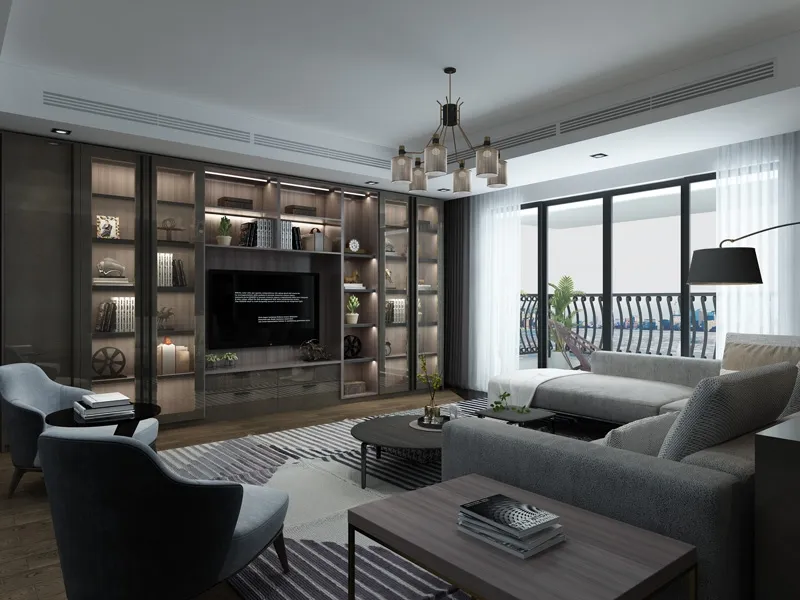
Let's talk about how we actually live with our stuff. You know that awkward dance we do every time we get new electronics or rearrange furniture? That struggle to make things fit? What if I told you there's a smarter way to handle your entertainment setup – one that grows with you instead of forcing you to compromise?
Just like modular homes revolutionized how we think about living spaces (seriously, they're not your grandma's trailer homes anymore!), modular TV cabinets are changing the game for how we organize our entertainment zones. These aren't those clunky, dust-collecting monoliths from the 90s. We're talking flexible systems that adapt as your life changes – whether you're moving to a smaller apartment, upgrading your sound system, or just craving a fresh look.
After diving into how companies like ModularHomes.com and Fleetwood approach construction, some key principles stood out:
Factory precision meets personalization: Just like modular homes are built in controlled factory environments (no rain delays!) then assembled onsite, modular TV cabinets use precision manufacturing for perfect-fitting components. But here's the cool part – you get to mix-and-match like building blocks.
Unlike bulky traditional units, modular cabinets scale to your actual room. Got a weird corner? Build around it. Ceiling too low? Choose lower profiles. It’s like tailoring a suit for your space.
New soundbar? Add a shallower shelf. Downsizing? Reconfigure instead of replacing. These systems evolve with you – no more buyer's remorse when life changes.
Integrated channels and compartments turn that rat's nest of wires into something actually presentable. No more "just pretend you don't see the cables!" with guests.
Here's the fun part – designing your perfect setup. Think of it like choosing modules for a custom home:
Foundation Units: Anchor pieces with enclosed storage (great for hiding routers or game consoles). Typically 24-36" wide.
Display Shelves: Glass-front or open units to show off collectibles or books. Mix heights for visual interest.
Media Centers: Specialized compartments with ventilation for AV equipment. Some even have built-in cooling fans.
Bridge Units: Shallow cabinets that connect sections or serve as display space beneath wall-mounted TVs.
Vertical Towers: Floor-to-ceiling units for maximizing storage in tight spaces – perfect for vinyl collectors.
Corner Solutions: Angled pieces that turn dead space into functional storage. A 45° module can add 30% more usable space.
Mounting Systems: Integrated rails and brackets for secure, adjustable TV positioning without wall damage.
Okay, let's get practical. How do you actually rework these things?
Scenario 1: The Mover's Shuffle
Moving from a house to an apartment? Keep only the essential modules – maybe ditch the corner units. Reconfigure in an L-shape against a wall instead of a room-dividing setup.
Scenario 2: The Tech Upgrade Tango
Got a massive new subwoofer? Swap a standard cabinet for a deeper "audio module" (typically 18"+ depth versus standard 15"). Use spacer panels to maintain alignment.
Scenario 3: The Aesthetic Refresh
Tired of the look? Change
door fronts
or finishes – many systems let you replace just the visible panels. Add open shelving modules between cabinets for a lighter feel.
Pro Tip: Photograph your current setup before disassembling. It's way easier to rebuild when you have a visual reference of what worked.
Forget flimsy furniture that warps under humidity. Quality modular systems incorporate moisture-proof materials that handle real-life messes:
High-density laminates over moisture-resistant cores – no bubbling or peeling. Perfect for basements or humid climates.
Aluminum internal structures provide rigidity for taller configurations without sagging.
Some brands offer internal panels that minimize speaker vibration – a nice touch for audiophiles.
Small spaces demand clever solutions. Here's how modular beats conventional cabinets:
The Narrow Wall Niche
Use vertical stacking: foundation unit + bridge shelf + wall-mounted TV. Depth stays under 15" while accommodating everything.
Odd Corners & Alcoves
Combine 30° and 45° corner units with standard cabinets. Fill gaps with custom spacer panels (many manufacturers offer these affordably).
Room-Divider Configurations
Build back-to-back systems with shallow-depth units. Storage on both sides + structural stability = winning.
Real Talk: Measure twice, thrice, then once more. Unlike regular furniture, modular units demand precise spacing tolerances (usually 1/4" gaps between units). Grab templates from manufacturer sites to plan.
The magic happens when systems evolve with you:
Family Growth Mode: Add locking cabinets up high when toddlers arrive. Later, swap for open display shelves.
Tech Migration: As consoles shrink and streaming dominates, replace deep AV units with media drawers.
Downsizing Ready: Keep only essential modules when moving. Most systems allow purchasing individual units later if space increases.
Considering sustainability? Modular systems align perfectly with circular economy principles. A 2023 UCLA study found modular furniture stays in homes 2.7x longer than conventional pieces due to adaptability.
At the end of the day, modular TV cabinets solve real-life problems in ways conventional furniture can't. They acknowledge that:
Just like modern modular homes proved factory-built doesn't mean cookie-cutter, these cabinets show flexibility and style aren't mutually exclusive. They let your space breathe while keeping your tech organized. Honestly? It feels like cheating the system in the best way.
So next time you're fighting with an entertainment center that doesn't fit, remember – you don't have to settle. Build something that bends to your life, not the other way around.
Keywords naturally incorporated: custom furniture, wall panels, furniture factory, interior floor material, and moisture-proof materials.
Recommend Products












