
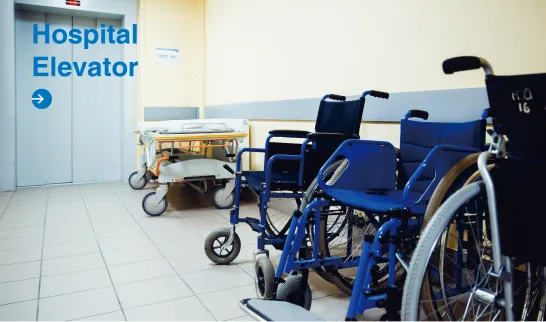
Hospital elevators are more than just metal boxes moving between floors. They're vital lifelines wrapped within the care ecosystem. When we think about what truly envelops the patient experience – surrounding them completely in safety and efficiency – we must look at these unsung heroes of healthcare infrastructure. Getting them right means embracing innovation while meeting strict medical standards.
Fun fact: The word "envelop" literally means to cover or wrap completely. That's what modern hospital elevators should do for patients – seamlessly surround their journey with safety, comfort, and efficiency from the moment they step inside until they arrive at their destination.
You might be surprised at how outdated many hospital elevators are today. While we've seen amazing advances in medical technology, vertical transportation in healthcare facilities often feels stuck in the past. Many hospitals still rely on systems installed decades ago, unable to keep pace with modern demands.
of US hospital elevators are over 30 years old
average ER patient wait time caused by elevator delays
hospital energy consumption attributed to vertical transport
saved per trip with destination dispatch systems
This aging infrastructure creates real challenges. Older elevators can't accommodate modern medical equipment sizes. Breakdowns cause critical delays in patient transport. Energy inefficiency drains hospital budgets that could be better spent on direct patient care. And as hospitals expand vertically to save space, the demands on elevator systems grow exponentially.
Modern hospital elevators operate within a tightly defined operational envelope of standards and requirements. These medical-grade elevators must meet much stricter specifications than commercial counterparts.
Modernizing hospital elevators means expanding their capabilities beyond basic transportation. Today's systems need to intelligently envelop and integrate with the entire care ecosystem.
Intelligent Traffic Management : AI-powered destination dispatch systems group passengers going to similar floors. This cuts wait times dramatically - we're talking about 30% fewer stops on average. Smart algorithms even prioritize critical transports like emergency cases or organs for transplant.
Predictive Maintenance Ecosystems : Modern sensors constantly monitor 200+ operational parameters. Before you even hear that worrisome "clunk," the system has already alerted technicians about the impending failure. Downtime drops from days to hours.
Biosecurity Integration : COVID changed everything. Now we see UV-C light disinfection between trips, antimicrobial copper surfaces, and air exchange rates matching hospital isolation rooms. This protective envelope surrounds patients throughout their journey.
Did you know elevator modernization can pay for itself? Let's crunch the numbers:
energy reduction with modern systems
annual savings per elevator for a 500-bed hospital
average ROI period for core upgrades
The new generation of regenerative drives actually recaptures energy during descent. That's right – braking systems now feed power back into the hospital grid. Combined with LED lighting, standby modes, and efficient motors, the energy envelope keeps shrinking while performance grows.
But the real efficiency story is staffing. Nurses spend an estimated 20 minutes per shift waiting for elevators. Advanced systems reclaim this time – that's about 7,000 nursing hours annually in a medium-sized hospital! When seconds matter in emergencies, modern vertical transit becomes a strategic asset.
Beyond specs and savings, modern elevators should emotionally envelop patients in comfort. Healthcare architects are completely rethinking the elevator experience:
At Boston Children's Hospital, their "Whale Pod" elevator wraps patients in an underwater experience complete with gentle lighting and aquatic sounds. This significantly reduces pediatric transport anxiety – vital when moving young patients between critical procedures.
Modern elevators have become data platforms within the hospital Internet of Medical Things (IoMT) ecosystem:
Integrated Workflows : When elevators talk to EHR systems, they know when a patient has been discharged. Your ride arrives just as your wheelchair does. Medical equipment automatically calls elevators when procedures complete. It's about surrounding the care journey with anticipatory intelligence.
We're also seeing exciting developments in robotic transport. At Johns Hopkins, dedicated "cargo" elevators work around the clock moving medications and lab samples. These intelligent systems coordinate with autonomous mobile robots that navigate hallways – creating a seamless material transport envelope throughout the facility.
The innovation envelope continues to expand as we look toward 2030:
Touchless Everything : Facial recognition and mobile credentials will make buttons obsolete. Imagine stepping into a car that knows your destination because your hospital badge communicated with the system.
Integrated Telemedicine : Why waste transport time? Future designs include video consultation booths. Patients en route to radiology could discuss preliminary results with their specialist during the ride.
Modular & Scalable : Flexible shaft designs will let hospitals expand capacity without major reconstruction. Think elevator systems that grow with your facility.
Energy Positive Systems : Beyond regeneration, elevators with integrated solar panels on cab roofs will actually contribute to the hospital's microgrid.
Transitioning isn't just swapping cabs. It requires careful phasing:
The most successful projects engage patients and staff as co-designers. After all, they're the ones enveloped in the experience daily. Their feedback shapes everything from handrail placement to notification sounds.
Modernizing hospital elevators creates an essential envelope of efficiency, safety, and comfort. As healthcare pushes the envelope on innovation, we must ensure our vertical transportation keeps pace. The modern medical elevator has evolved into a clinical environment that surrounds patients with care from the moment they step inside.
By embracing these innovations, hospitals create better patient experiences, reclaim millions in wasted resources, and build infrastructure worthy of the life-saving work happening within their walls. The elevator is no longer just transportation - it's an integral thread in the healthcare fabric.
Key takeaway: When done right, hospital elevators envelop patients in the highest standards of care throughout their entire journey - not just when they're in treatment rooms. This complete care envelope has become essential for modern healthcare delivery.
Recommend Products












