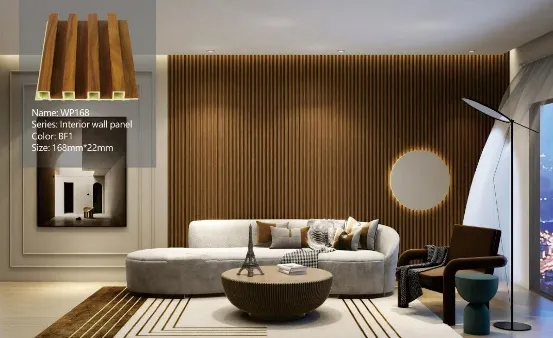
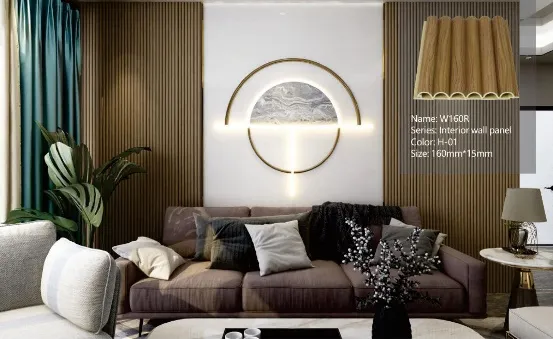
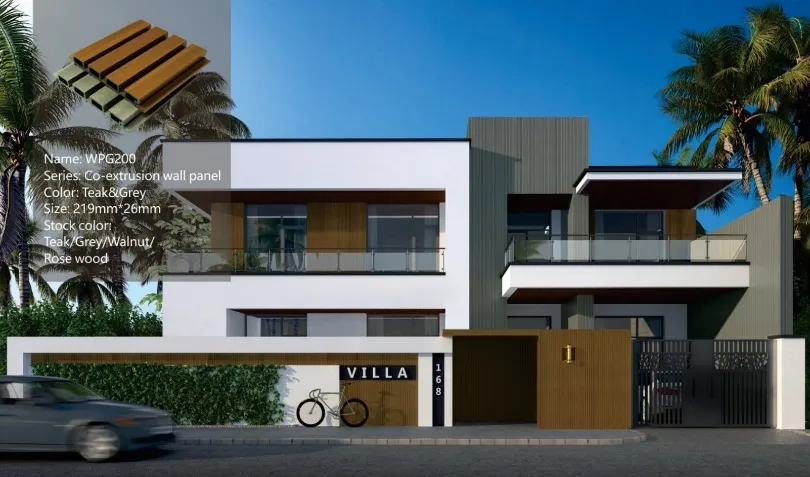
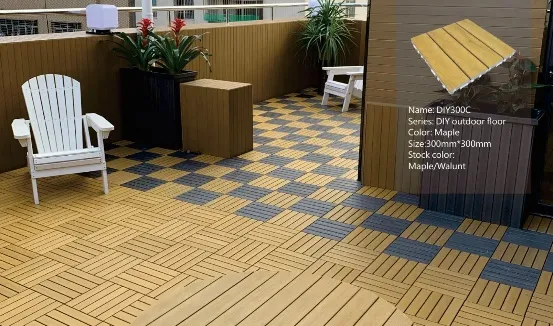
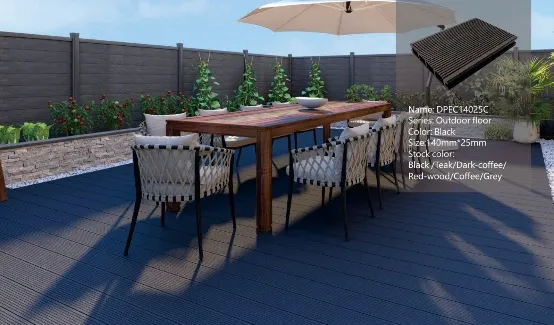
Walk into any modern home, hotel, or office building today, and you'll likely notice a common trend: walls that don't just serve a functional purpose, but tell a story. Gone are the days of plain, monotonous drywall or heavy, high-maintenance stone. Instead, designers and homeowners alike are turning to a material that checks all the boxes: WPC wall panels .
Short for Wood-Plastic Composite, WPC is exactly what it sounds like—a blend of wood fibers and plastic polymers. But don't let the simplicity fool you. This combination results in a material that's stronger than wood, more flexible than plastic, and infinitely more versatile than both. It's water-resistant, scratch-proof, and resistant to the kind of warping or rotting that plagues traditional materials. And with advancements in manufacturing, today's WPC panels come in textures and finishes that mimic everything from rich oak to sleek marble, making them a favorite for both interior and exterior projects.
But why now? The shift toward WPC isn't just about aesthetics. It's about practicality, sustainability, and adaptability. In a world where homeowners want spaces that look luxurious but don't require constant upkeep, and businesses need materials that can withstand heavy foot traffic without losing their charm, WPC panels emerge as the perfect solution. Add to that the global push for eco-friendly building practices—since WPC often uses recycled materials—and it's no wonder they're becoming the go-to choice for interior decoration materials and exterior decoration materials alike.