
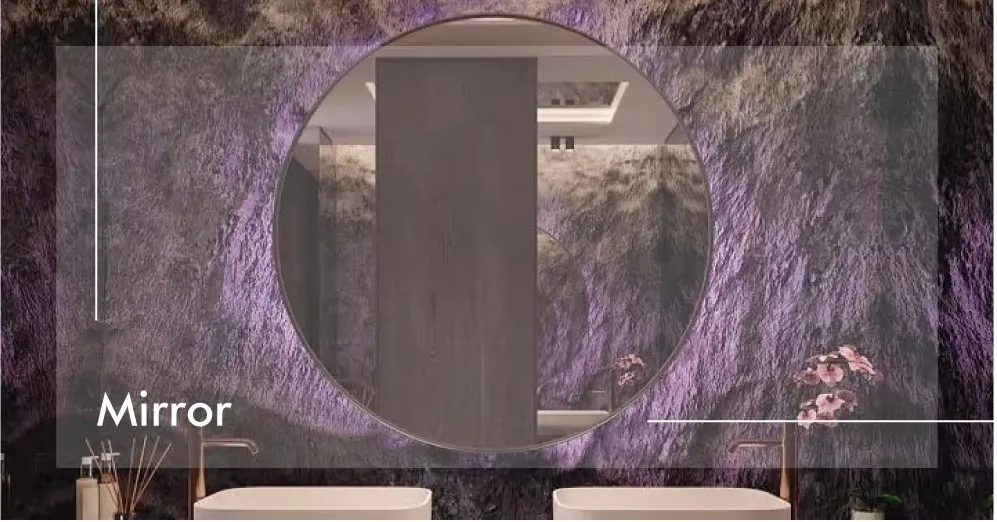
How the architectural world's most reflective surface is revolutionizing spatial design through innovative materials and boundary-pushing installations
We've all experienced that moment - walking into a space transformed by a large mirror installation. There's an almost magical quality to how reflections can manipulate light and perception. But what began as decorative accents has evolved into an architectural revolution.
The journey from small vanity mirrors to wall-spanning reflective surfaces represents more than technical advancement. It's a philosophical shift in how we interact with our environments. Where traditional architecture creates boundaries, mirror walls dissolve them. Where windows reveal the outside world, mirrored surfaces invite the outside in while maintaining privacy. And in our sustainability-conscious era, they've become unexpected allies for energy efficiency.
Human brains are hardwired to respond to reflective surfaces. Neuroscience tells us we perceive mirrored spaces as more expansive, brighter, and more vibrant. This goes beyond simple vanity - it's about how we process spatial relationships. Architects are leveraging this psychology to combat urban claustrophobia in shrinking floor plans.
What made this evolution possible? Three key innovations:
Seamless Bonding : Modern fusion techniques allow near-invisible joins between mirror panels, creating uninterrupted reflections without distracting lines. It's the difference between looking through a windowpane and standing before an open vista.
Safety Reimagined : Architects now work with laminated safety mirrors combining tempered glass with shatter-proof films. These can withstand impacts that would shatter traditional mirrors, eliminating the fear factor in high-traffic areas.
Smart Surface Tech : The latest innovations include self-tinting options that adapt to light conditions, integrated heating elements to prevent fogging, and even embedded display capabilities turning mirrors into invisible screens.
In modern homes, mirror walls are solving practical challenges while elevating aesthetics:
The Urban Studio Illusion : In a New York micro-apartment (420 sq ft), a full-height mirror wall facing windows doubles the sunlight penetration and creates the perception of a connected balcony. Residents report feeling like they have twice the space without the actual square footage.
Multi-Functional Surfaces : A San Francisco retrofit used mirrored panels with incorporated smart lighting for adjustable mood settings. Voice commands shift the mirrors from morning brightness enhancers to evening ambient light creators.
The Indoor-Outdoor Blur : California cliffside homes are using mirrored accent walls angled to capture ocean views from unexpected vantage points, creating framed reflections that change with the tides.
The corporate world is embracing mirror walls for both aesthetic and functional purposes:
Retail Rebirth : High-end boutiques use angled mirror installations to create infinite product vistas. A Milan fashion house reported a 30% increase in accessory sales after installing mirror columns that allow customers to see outfits from every angle without turning.
Wellness Environments : Modern spas have replaced the clinical gym mirror with strategically placed reflections that create rhythmic geometric patterns. A Bangkok wellness center features undulating mirror walls that make modest spaces feel like endless pools.
Green Building Revolution : LEED-certified offices install light-enhancing mirror installations in conference rooms to reduce artificial lighting needs. Building managers report 15-20% energy savings on lighting costs while creating visually stunning meeting spaces.
Large mirror installations have become the natural evolution of minimalist design philosophy. Where minimalism strips away the non-essential, mirror walls add through subtraction. They provide visual complexity without physical clutter. The reflections create ever-changing abstract patterns that traditional art cannot match.
Contrary to what some might expect, properly executed mirror installations create a profound sense of calm. The continuous planes and clean sightlines satisfy our subconscious desire for order while the dynamic reflections prevent sterility. This emotional resonance explains their rapid adoption in wellness spaces and homes alike.
The evolution continues with groundbreaking developments in:
Interactive Displays : Prototypes of mirror surfaces that become transparent touchscreens on command. Imagine your bathroom mirror becoming your news feed while brushing teeth.
Self-Healing Surfaces : Materials using nanotechnology that repair minor scratches over time, reducing maintenance concerns for large installations.
Augmented Reality Integration : Projects experimenting with mirror overlays that provide contextual information about reflected objects - could revolutionize retail fitting rooms.
Mirror walls contribute to green building trends in unexpected ways. Beyond their light-enhancing properties:
Passive Solar Design : Strategic positioning creates seasonal heating effects in colder climates, reducing energy demands.
Material Longevity : Modern mirror production uses increasingly recycled content, and the surfaces themselves can outlast decades of paint treatments.
The integration of solar panel technology in the latest decorative mirror products demonstrates how far this category has advanced. Architects are finding clever ways to incorporate energy collection into beautiful surfaces that clients request.
Creating successful large mirror installations requires addressing practical considerations:
Structural Integrity : Significant glass installations require engineering. A 10' x 12' mirror wall can weigh over 300kg. Proper framing that accounts for building settlement and seismic concerns is essential.
Lighting Synergy : Artificial lighting must be carefully planned to avoid undesirable hotspots or glare. LED perimeter washes and cove lighting often produce the most sophisticated results.
Contextual Harmony : The most successful installations feel like inevitable features rather than add-ons. Materials should complement architectural elements rather than compete with them.
A recent luxury development exemplifies thoughtful mirror integration:
• 270-degree mirror "corners" turn awkward structural columns into visual features
• Retractable mirrored panels create modular privacy zones in open-plan spaces
• Specialized anti-glare coating handles intense desert sun while maintaining reflectivity
The developer reports these features have increased perceived value by 15% compared to similar units without mirror integration.
What began as functional objects have transformed into architectural elements that reshape our spatial experience. Mirror walls offer solutions to contemporary design challenges: creating openness in dense urban environments, reducing energy consumption, and adding visual interest without clutter. As manufacturing breakthroughs make larger, safer, and smarter mirrors increasingly accessible, we'll see these installations move from luxury statements to mainstream architectural features.
The future points toward increasingly intelligent surfaces that serve multiple functions while maintaining their magical reflective quality. As architects and homeowners discover the power of reflected space, mirror walls will continue their evolution from decorative accents to fundamental building components - proving that sometimes the most powerful design solution is letting the space reflect upon itself.
Recommend Products












