


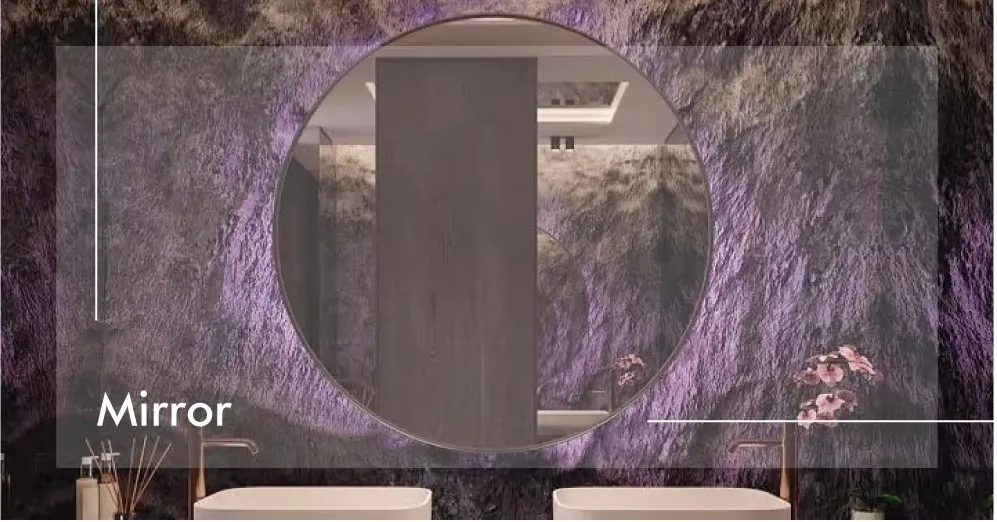
Frameless bathroom mirrors are like the silent conductors of minimalist spaces – they command attention without shouting, create harmony without disruption, and elevate functionality into art. In today’s homes, these design gems do more than reflect your morning routine; they sculpt light, expand perception, and transform bathrooms into personal sanctuaries. Forget bulky frames that steal focus and collect dust. Frameless mirrors embrace your walls like they belong there, becoming seamless extensions of the surfaces they adorn.
Think about stepping into a space where your reflection meets architecture in perfect partnership – no harsh boundaries, no distracting edges. This is where calm begins. As we explore these design marvels, you’ll discover how lighting, materials, and spatial dynamics converge to create bathrooms that feel like retreats, not just functional rooms. From airy white sanctuaries to warm wooden havens, get ready to rethink what a mirror can truly accomplish.
The Essence of Frame-Free Design
Why has the frameless mirror become the darling of modern designers? It starts with psychology. Our eyes crave visual peace in bathrooms – places meant for quiet moments. Traditional frames create subconscious barriers, while frameless versions dissolve edges like whispers. They become architectural collaborators rather than decorative add-ons.
Spacial magic happens too. With corners out of the picture, frameless mirrors borrow square footage from adjacent spaces. A small bathroom suddenly breathes deeper, and narrow corridors stop feeling claustrophobic. Architects adore this trick: that floating mirror across from a glass shower? It’s not coincidence – it’s a calculated illusion where surfaces converse through reflections, multiplying every shaft of sunlight.
And then there’s the marriage with lighting. Unframed mirrors handle light differently – no shadows to fight against, no glare bouncing off metal rims. They invite illumination to dance freely, whether it’s backlit LEDs creating halos or natural light painting moving patterns throughout the day. This synergy makes these mirrors look like they shape light rather than merely catch it.
Space-Transforming Showcases
Crisp White & Mirror Harmony
Picture stepping into a sanctuary where white walls and matching frameless mirrors become meditation partners. This combo isn't just clean – it's optically brilliant. The mirror becomes invisible, reflecting ceramic tiles with such seamlessness that walls feel doubled. Lighting options shine here: soft recessed LEDs or hidden under-vanity strips amplify the effect beautifully. Add subtle textures like grout-line tiles or ripple glass surfaces to prevent clinical vibes without breaking the minimalist rhythm.
Wood Warmth Meets Mirror Cool
For folks who find all-white spaces chilly, wood-grain vanities paired with frameless mirrors create magic. Deep walnut cabinets under a frameless reflection feels like seeing double – in the best way. The contrast sparks visual heat: cool glass against wood’s earthy soul. Position mirrors to bounce light onto rich textures – think teak grain or oak knots absorbing and multiplying daylight for a cozy glow. This combo feels less "design magazine" and more personal retreat.
Stone & Shadow Play
Marble counters meeting minimalist mirrors? Absolute elegance. Natural veining gets amplified through reflection, turning static surfaces into living landscapes. Darker stones like granite add drama without clutter – every fleck in the rock mirrored back creates depth. Best positioned? Horizontally above stone vanities or vertically flanking bath tubs where they grab morning sunlight like nature’s spotlights. And maintenance? Surprisingly simple: no ledges trapping residue, just smooth surfaces to wipe clean.
Industrial Edge
Concrete textures under a frameless mirror feel urban and grounded. It’s that brilliant tension – hard, matte surfaces against sleek reflective glass. Matte black fixtures (taps, shower heads) complete this moody look by adding punctuation marks. Industrial LED strips wrapping the mirror’s edge? Chef’s kiss. Practical tip: these mirrors become visual anchors, letting you pair rough textures without chaos. The frame-free boundary keeps everything contained.
Pastel Serenity
Gentle colors like mint green or sky blue backgrounds suddenly make frameless mirrors feel poetic. Light reflects differently here – soft pinks turn airy, lavender gains depth. It’s transformative for small or windowless bathrooms: mirrors redirect color while expanding perceived space. These spaces pair gorgeously with soft textiles (plush towels), rounded sinks, and minimalist ceramics for balance. Avoid sharp angles elsewhere to complement the mirror’s invisible edges.
Beyond Reflection: Clever Frameless Tricks
Imagine mirrors pulling double duty as hidden storage doors – minimalist genius. These aren’t ordinary cabinets; the mirror itself becomes the door panel sliding or swinging open to reveal organized medicine shelves or makeup stations. Touch-latch systems replace knobs to preserve the sleek facade. Practicality meets minimalism with zero visual clutter.
Then there’s light integration: backlit LED strips turn mirrors into luminous sculptures. Options range from halo effects wrapping edges to vertical accent beams creating architecture where none exists. Smart lighting controls adjust temperatures – cool blue for morning clarity, warm amber for evening baths. The frame-free design means no barriers diffusing the glow.
Size manipulation comes easy too. Need to shorten a long hallway bathroom? Position vertical frameless mirrors on end walls to compress sightlines. Expanding tiny powder rooms? Full-wall horizontal mirrors stretch spaces visually. Strategic placement tricks perception: mirrors facing windows quadruple natural light while reflecting greenery outside.
Crafting Your Mirror Vision
Glass thickness matters more than you’d think. While standard mirrors use 1/4-inch glass, frameless types demand 1/2-inch thick sheets to prevent warping. This heft provides durability while contributing to that luxurious feel. Edge finishing makes the difference too: polished and bevelled edges capture light elegantly versus sharp industrial cuts.
Consider specialized coatings like anti-fog technology that prevent steam battles after showers. For humid climates or poolside bathrooms, this feature maintains clarity effortlessly. Privacy film inserts? Brilliant for guest bathrooms where semi-frosted sections balance reflection with discretion.
Shape possibilities go beyond rectangles. Arched tops soften modern spaces while angled corners frame vanities like art installations. When considering shapes:
- Rectangles maximize functionality for grooming
- Ovals soften spaces visually
- Organic curves add modern personality
- Angular shapes energize minimal designs
Size dynamics shift a room completely:
Large mirrors become spatial anchors
Diptych arrangements bring movement
Grouped smaller mirrors add rhythm
Floor-to-ceiling expanses blur reality
Mirror Conversations: Working with Bathroom Elements
Vanity Partners
Floating vanities and frameless mirrors practically finish each other’s sentences. This pairing creates that gorgeous "levitating" look while easing floor cleaning. Wood grain vanities warm up cooler glass reflections, while stone counters extend visually across reflective surfaces. Position mirrors 6-8 inches above vanities to connect without touching – a trick that maintains separation while forming unity.
Shower Reflections
Glass showers chatting with frameless mirrors? Spatial expansion magic. When mirrors face frameless shower enclosures, they bounce light between spaces, amplify depth perception and visually unify zones. Frosted panels create soft-glow reflections while clear glass adds literal transparency. Positioning matters: adjacent walls work better than direct opposites which can feel like infinity mazes.
Fixtures & Hardware
Mix metals wisely: matte black fixtures against frameless mirrors create elegant punctuation marks. Brass finishes lend warmth to cooler glass expanses. Hidden fixings are crucial here – minimal hardware like recessed clips or silicone bonds keep surfaces unbroken. Keep faucets sleek and linear to mirror the mirror’s simplicity.
Tile Relationships
Subway tiles gain rhythm when mirrored. The reflection multiplies patterns while extending perceived tiling into "invisible" zones. Large-format marble tiles become immersive landscapes when doubled by frameless reflections. Position grout lines to align visually with mirror edges for perfect continuity.
Plants introduce softness beautifully near frameless installations. Floating shelves with trailing vines catch reflections, creating moving greenery illusions. Wall-mounted botanical arrangements become duplicated gallery pieces. This works particularly well with wood and stone elements – nature x technology in perfect harmony.
Real-World Frameless Wisdom
Measuring walls matters more than vanity widths. Optimally sized mirrors should be 3-4 inches narrower than the wall space to preserve visual margins. Heights? Position top edges near ceiling height to "raise" room perception.
Professional installation avoids stress cracks – these aren’t DIY hang-and-hope projects. Reliable attachment options:
- Recessed mounting creates gallery-wall smoothness
- Metal clips offer sturdy minimal hardware solutions
- Silicone bonds for seamless floating illusions
Cleaning stays simple: microfiber cloths with vinegar/water mix prevents streaks without damaging surfaces. Avoid abrasive cleaners and instead use gentle solutions specifically designed for glass surfaces.
When choosing companions:
| Material | Best Mirror Effects |
|---|---|
| Wood grain vanities | Warmth amplifier |
| Stone counters | Texture multiplier |
| Matte black fixtures | Contrast creator |
| Backlit LEDs | Glow enhancer |
And regarding flooring, consider waterproof laminate flooring around vanities – its resilience against spills marries practicality with sleek minimalism.
Reflections Forward
Frameless mirrors don’t just adapt to minimalist bathrooms – they define them. Their magic lies in versatility: they can make industrial lofts feel warmer, small apartments more spacious, and sterile spaces more human. By eliminating visual interruptions, they create environments where our minds actually rest instead of being constantly processing edges and boundaries.
This isn't about chasing trends; it’s about crafting sanctuaries. When you choose frame-free reflection, you invite light to dance freely, textures to multiply beautifully, and space to breathe deeply. The options are endless – moody monochromes, wooden warmth, or luminous white expanses all find perfect partners in mirrored simplicity.
So next time you glance at a frameless mirror, look beyond your reflection. See the light paths it commands, feel the expanded boundaries it creates, and appreciate how such simple design holds such spatial poetry. Because in minimalist spaces, sometimes the most important elements are the ones that disappear.










