
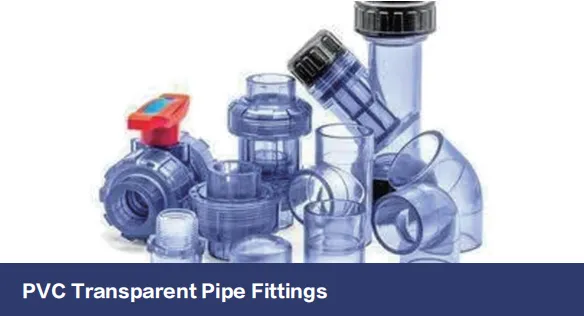
Ever pause to wonder what's really in those shiny clear pipes carrying your drinking water? That innocent-looking PVC fitting might be hiding more than you'd ever want in your morning coffee. Let's unravel why safety isn't just a buzzword but a lifeline when it comes to materials touching our food and drinks.
Standard PVC pipes? They're like that sketchy friend who seems fine on the surface but brings trouble to the party. Those sleek plastic tubes in hardware stores? They’re packed with sneaky additives called phthalates—chemical troublemakers that don't stay put. Heat up your morning brew in a system with these pipes, and you're basically steeping a toxic tea. Research points to these escape artists messing with hormones, causing asthma flare-ups in kids, and even dabbling in reproductive issues.
Imagine tiny chemical jailbreaks happening right inside your pipes. That's migration testing in a nutshell—science's way of playing detective with plastics. Labs recreate real-world scenarios by:
The numbers tell the story: one study found some PVC pipes leaked chemicals at 15x the safe limit when exposed to hot water. That’s not a leak—it’s a flood of trouble.
Genuine food-safe PVC pipes aren't shy about their credentials. They practically wave certificates at you:
️ NSF/ANSI 51 or NSF/61 stamps (the gold standard for food contact)
️ Clear FDA compliance labeling
️ Transparent manufacturing specs about stabilizers
This isn't just paperwork—it's proof they've survived brutal lab tests where ordinary PVC would tap out. Take CPVC SCH80 high pressure pipe (a star player in food-grade systems). Its special chlorine treatment creates a molecular fortress against chemical escapes, especially when hot liquids come knocking.
Modern safety testing feels like a sci-fi movie with gear like:
But here’s the kicker—scientists are now chasing "non-intentional additives" (NIAS), unexpected hitchhikers that form during manufacturing. These ninja chemicals slip past standard checks, making advanced detection crucial.
Despite advances, PVC taps out in some scenarios. Smart switches include:
| Material | Superpowers | Best For |
|---|---|---|
| Polypropylene (PP) | Laughs at boiling water | Hot beverage systems |
| Stainless Steel | Bulletproof durability | Breweries, commercial kitchens |
| Silicone Tubing | Flexible & heat-resistant | Home brewing setups |
Fun fact: A craft brewery switched to steel fittings and found their beer's shelf life jumped by 40%—no chemical aftertaste sabotage.
Can I repurpose regular PVC for my hydroponic garden?
Tempting but dangerous. Even though you're not directly sipping the water, plants slurp up those leached chemicals like straws. Go for NSF-certified tubing instead—your kale will thank you.
Does heat really turbocharge chemical leaks?
Absolutely. Heat turns PVC into a chemical superspreader. Tests show migration rates can spike 300% at temperatures your dishwasher hits. Cold applications? Far less risky.
What's the gold standard certification to look for?
NSF/ANSI 51 is your North Star—it's the food-equivalent of a Michelin star for materials. European kitchens? Keep eyes peeled for EU 10/2011 compliance.
The takeaway? That clear pipe isn't just moving liquids—it's a border crossing for chemicals. Food-grade certification is your passport control. Next time you install fittings, remember: transparency isn't just about seeing through the plastic, but seeing through the safety claims too.
Recommend Products












