The Evolution of Middle Eastern Architecture: Where Tradition Meets Innovation
Walk through the streets of Dubai's Downtown, Riyadh's King Abdullah Financial District, or Abu Dhabi's Saadiyat Island, and you'll notice a striking shift in the region's architectural language. Gone are the days when design was limited to rigid, utilitarian structures; today, Middle Eastern cities are embracing a new era of contemporary architecture—one that blends cultural heritage with cutting-edge materials and bold aesthetics. From soaring skyscrapers with dynamic facades to boutique villas with intricate detailing, the demand for innovative building solutions has never been higher. At the heart of this transformation? A growing focus on materials that don't just look good, but also stand up to the region's unique challenges: scorching temperatures, occasional sandstorms, and the need for sustainable, low-maintenance options.
Among the materials leading this charge is the PU stone wall panel—a lightweight, versatile alternative to traditional stone and concrete that's quickly becoming a staple for architects, developers, and homeowners alike. But what exactly makes PU stone panels so popular in the Middle East? And how can partnering with the right
pu stone wall panel supplier elevate a project from ordinary to extraordinary? Let's dive into the trends, benefits, and real-world applications that are making PU stone wall panels the go-to choice for contemporary designs in the region.
PU Stone Wall Panels: Redefining What's Possible in Modern Construction
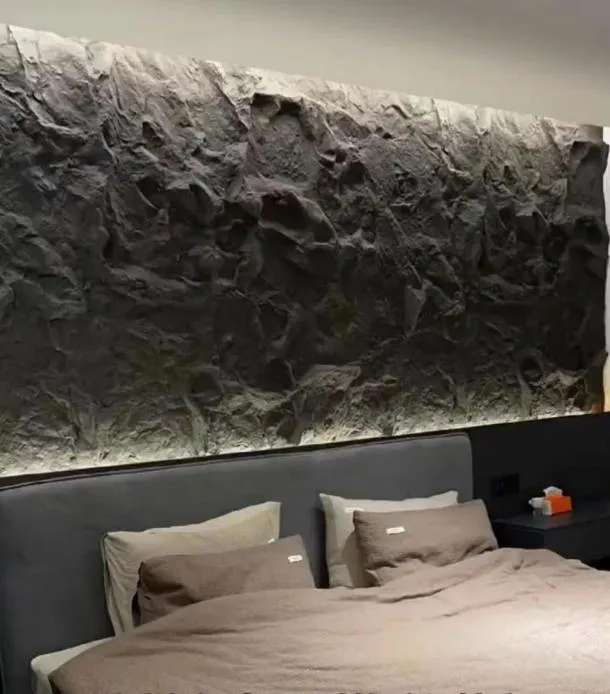
First, let's clarify: what are PU stone wall panels? PU, or polyurethane, is a synthetic material known for its durability, flexibility, and lightweight properties. When crafted into stone wall panels, it mimics the texture, color, and depth of natural stone—think limestone, sandstone, or even rugged mountain rock—without the heavy weight, high cost, or installation headaches of the real thing. Unlike natural stone, which can weigh upwards of 50kg per square meter, PU stone panels tip the scales at just 6-8kg/m², making them easier to transport, handle, and install. This alone has made them a game-changer for projects where structural load is a concern, such as high-rise buildings or retrofits of older structures.
But the benefits don't stop at weight. In a region where summer temperatures regularly exceed 40°C, thermal efficiency is non-negotiable. PU stone panels act as natural insulators, reducing heat transfer and helping buildings stay cooler in the summer and warmer in the winter—ultimately lowering energy bills for homeowners and businesses. They're also resistant to moisture, mold, and UV rays, ensuring that facades and interiors retain their fresh, vibrant look for years, even in harsh desert climates. For commercial spaces like hotels or retail outlets, this means less frequent maintenance and a longer lifespan for the building's aesthetic appeal.
Why the Middle East is Falling in Love with PU Stone Solutions
To understand the rise of PU stone wall panels, consider the region's unique design priorities. Middle Eastern clients often seek a balance between luxury and practicality: a villa should feel opulent, but not require constant upkeep; a hotel facade should make a statement, but not crumble under the sun. PU stone panels deliver on both fronts. Take, for example, a recent project in Dubai's Palm Jumeirah, where a high-end residential complex used PU stone panels to replicate the look of traditional Emirati stone masonry. The result? A facade that pays homage to local heritage while weighing 70% less than natural stone, reducing construction time by 30% and cutting long-term maintenance costs by half.
Another key driver is customization. Unlike natural stone, which is limited by what nature provides, PU stone panels can be tailored to match any design vision. Want a panel that looks like weathered desert rock for a rustic villa? Or a sleek, polished finish for a modern office lobby? A reputable
pu stone wall panel supplier can create custom colors, textures, and patterns to align with a project's unique theme. This flexibility has made PU panels a favorite for
architectural façade solutions, where standing out from the crowd is essential. In Riyadh, for instance, a new boutique hotel used custom PU stone panels in earthy terracotta tones to complement the city's desert landscape, creating a facade that's both striking and contextually appropriate.
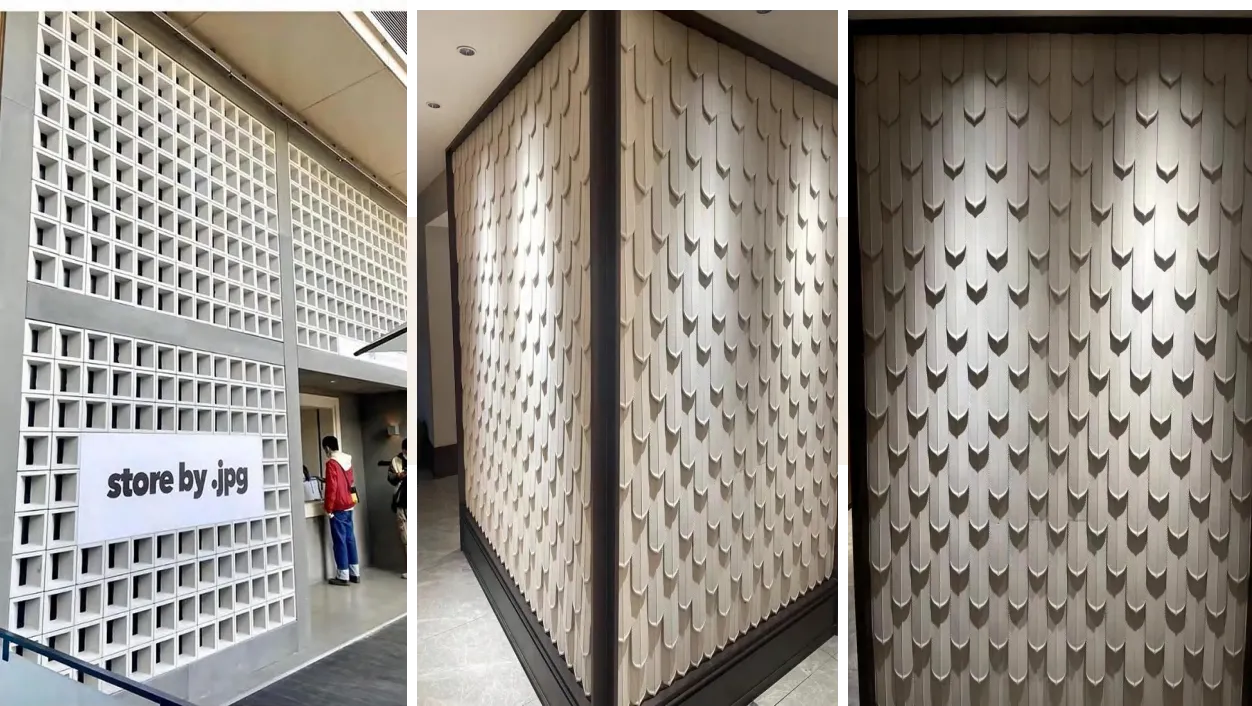
PU stone wall panels aren't just for exteriors—they're equally transformative indoors, adding warmth, texture, and character to residential and commercial interiors. Let's explore how these panels are being used across different project types, and why they're becoming a must-have for designers and developers.
Residential Projects: Blending Comfort with Curb Appeal
For homeowners in the Middle East, the villa is more than just a house—it's a reflection of personal style and status. PU stone wall panels are helping homeowners strike the perfect balance between luxury and livability. In Dubai's Jumeirah Golf Estates, for example, many villas now feature PU stone accent walls in living rooms, creating a focal point that feels both grand and cozy. The panels' lightweight nature means they can be installed on interior walls without requiring additional structural support, and their resistance to scratches and stains makes them ideal for families with children or pets.
Exteriors, too, are getting a makeover with PU stone panels. In Abu Dhabi's Al Raha Beach, a community of beachfront villas uses PU stone cladding in soft beige and cream hues to mimic the look of coastal sandstone. Not only do these panels withstand the salty sea air (unlike natural stone, which can corrode over time), but they also reflect sunlight, helping to keep interiors cool during the sweltering summer months. For homeowners, this translates to lower air conditioning bills and a more comfortable living environment year-round.
Commercial Spaces: Making a Statement That Lasts
In commercial design, first impressions matter. Whether it's a hotel lobby, a retail store, or a corporate office, the interior and exterior of a building play a crucial role in attracting customers and employees. PU stone wall panels are helping businesses make bold, memorable statements without sacrificing functionality. Take, for instance, a popular café chain in Riyadh that used PU stone panels to create a rustic, "mountain lodge" vibe in its interiors. The panels, designed to look like rough-hewn timber and stone, transformed the space into an Instagram-worthy spot—boosting foot traffic by 40% within the first month of opening.
For high-traffic areas like shopping malls or airport terminals, durability is key. PU stone panels are resistant to impacts, making them ideal for spaces where crowds are constant. In Dubai Mall's newest expansion, designers chose PU stone panels for the food court's feature wall, citing their ability to withstand daily wear and tear while maintaining their original appearance. And because the panels are easy to clean (a simple wipe with a damp cloth is all it takes), maintenance teams can keep the space looking fresh with minimal effort.
|
Project Type
|
PU Stone Panel Application
|
Key Advantages
|
|
Residential Villa (Exterior)
|
Full facade cladding, balcony railings, garden walls
|
Lightweight (reduces structural load), heat-resistant, low maintenance
|
|
Hotel Lobby (Interior)
|
Feature wall behind reception desk, accent columns
|
Customizable textures, quick installation, scratch-resistant
|
|
Retail Storefront
|
Exterior cladding, entrance archways
|
Weather-resistant, eye-catching aesthetics, cost-effective vs. natural stone
|
|
Corporate Office (Interior)
|
Conference room walls, elevator lobbies
|
Sound-dampening properties, fire-retardant options, modern look
|
|
Hospitality (Resort)
|
Poolside cabanas, outdoor dining areas
|
Water-resistant, UV-stable, slip-resistant surface
|
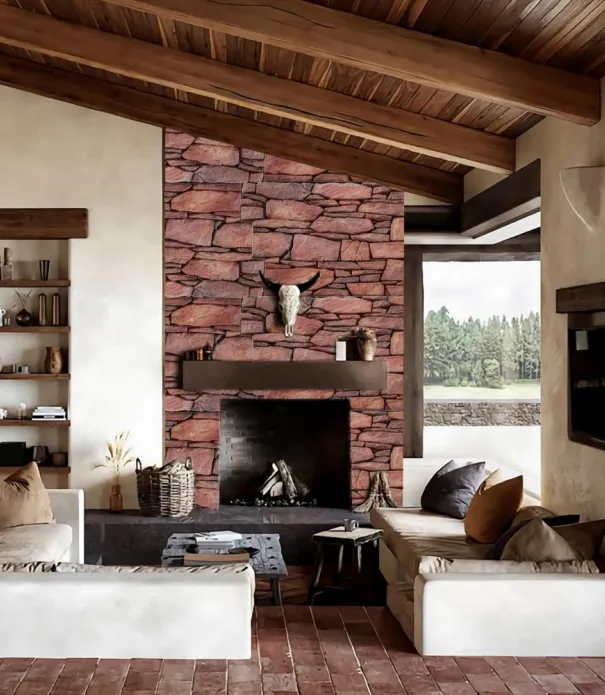
With the demand for PU stone wall panels soaring, the market is flooded with suppliers—but not all are created equal. To ensure your project's success, it's critical to partner with a supplier that offers quality, reliability, and expertise. Here are the key factors to consider when selecting a
pu stone wall panel supplier in the Middle East.
Quality Certifications: Ensuring Durability and Safety
The Middle East has strict building codes, especially when it comes to fire safety and environmental standards. A reputable supplier should provide panels that meet local regulations, such as the UAE's ESMA standards or Saudi Arabia's SASO certifications. Look for panels that are fire-retardant (ideally Class B or higher), UV-resistant, and tested for durability in extreme temperatures. Ask for third-party lab reports to verify these claims—any supplier worth their salt will be happy to provide them.
Customization Capabilities: Bringing Your Vision to Life
As we've discussed, customization is a major advantage of PU stone panels. The best suppliers offer a range of in-house design services, from 3D modeling to sample production, to ensure the panels align with your project's unique requirements. For example, if you're working on a heritage-inspired project, a supplier should be able to match the color and texture of traditional Middle Eastern stone using advanced color-matching technology. Some suppliers even offer "digital sampling," where you can see how the panels will look in your space via virtual reality before production begins—saving time and reducing the risk of costly mistakes.
Local Expertise: Understanding the Middle East Market
The Middle East's climate and construction practices are unique, so partnering with a supplier who understands the local landscape is essential. A supplier with experience in the region will know how to adapt panels to withstand sandstorms, high humidity (in coastal areas like Bahrain or Qatar), and extreme temperature fluctuations. They'll also be familiar with local logistics, ensuring timely delivery to avoid project delays. For instance, a supplier based in the UAE might have warehouses in Dubai and Riyadh, allowing for faster shipping to major construction hubs. Additionally, local suppliers often have relationships with local contractors, making the installation process smoother and more efficient.
End-to-End Support: Beyond Just Supplying Panels
The best
pu stone wall panel supplier doesn't just sell you panels—they partner with you from design to installation. Look for suppliers that offer technical support, such as on-site installation training for contractors, or detailed guides on how to cut, fit, and maintain the panels. Some suppliers even provide post-installation warranties, giving you peace of mind that your investment is protected. For large-scale projects, this support can be invaluable; imagine working on a 50-story commercial tower and having a supplier's technical team on call to troubleshoot installation issues—this level of service can make or break a project's timeline and budget.
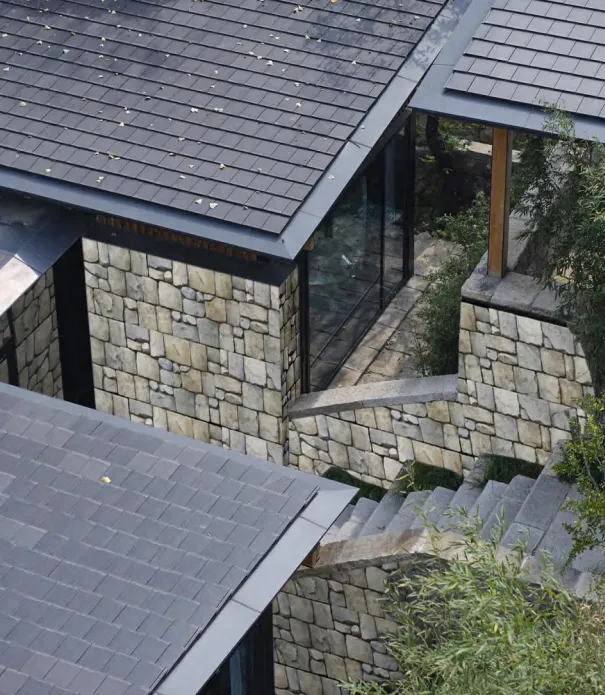
Looking Ahead: The Future of PU Stone Wall Panels in the Middle East
As Middle Eastern cities continue to grow and evolve, the demand for innovative building materials like PU stone wall panels is only set to rise. So, what does the future hold for this versatile material? Here are a few trends to watch:
Sustainability: Eco-Friendly PU Solutions
Sustainability is becoming a top priority for developers in the Middle East, driven by government initiatives like Saudi Arabia's Vision 2030 and the UAE's Net Zero 2050 goals. PU stone panel suppliers are responding by developing eco-friendly formulations, such as panels made from recycled polyurethane or bio-based materials. Some suppliers are even offering "carbon-neutral" panels, where the emissions generated during production are offset through reforestation or renewable energy projects. For developers, this not only aligns with sustainability targets but also appeals to environmentally conscious buyers and tenants.
Smart Integration: PU Panels Meets Technology
The future of construction is digital, and PU stone panels are keeping pace. Imagine panels embedded with sensors that monitor temperature, humidity, or structural stress—providing real-time data to building managers. Or panels with integrated LED lighting, creating dynamic facades that change color at night (a trend already gaining traction in Dubai's nightlife districts). As smart building technology becomes more mainstream, expect to see
pu stone wall panel solutions that seamlessly integrate with these systems, offering both form and function.
Hybrid Materials: Combining the Best of All Worlds
While PU stone panels are impressive on their own, their future may lie in collaboration with other innovative materials. For example, some suppliers are experimenting with combining PU panels with mcm flexible cladding (a lightweight, fire-resistant material) to create hybrid facades that offer enhanced durability and design flexibility. Others are pairing PU stone with bamboo charcoal board wall panels for interior projects, leveraging the latter's air-purifying properties to create healthier living spaces. These hybrid solutions are opening up new possibilities for architects, allowing them to push the boundaries of what's possible in design.
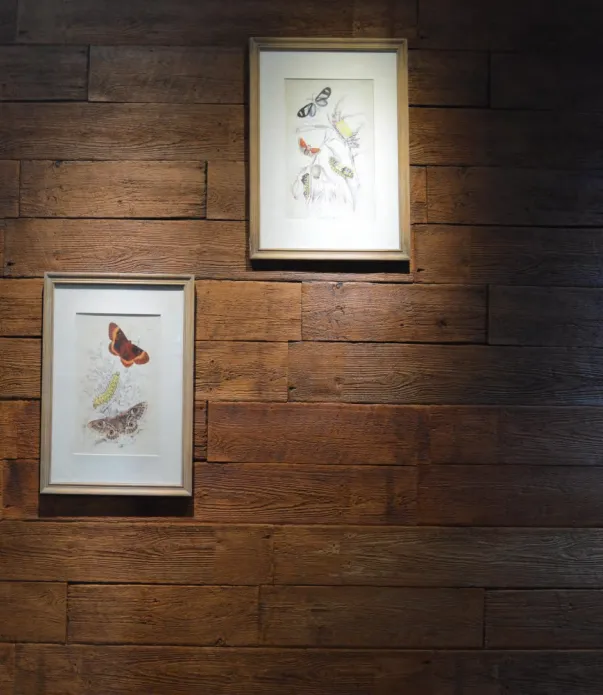
Final Thoughts: PU Stone Wall Panels—Building the Future of Middle Eastern Architecture
From the bustling streets of Dubai to the historic neighborhoods of Riyadh, PU stone wall panels are leaving their mark on the Middle East's architectural landscape. They're more than just a building material—they're a symbol of the region's ability to innovate while honoring its roots. Lightweight, durable, customizable, and sustainable, they check all the boxes for modern construction, making them a favorite for
residential building materials supplier and
commercial building materials supplier alike.
As the region continues to grow and develop, the role of the
pu stone wall panel supplier will only become more critical. By partnering with a supplier that prioritizes quality, customization, and local expertise, architects and developers can unlock the full potential of PU stone panels—creating buildings that are not only beautiful but also resilient, efficient, and uniquely Middle Eastern. So, whether you're designing a luxury villa, a cutting-edge office tower, or a community center, consider PU stone wall panels. They just might be the key to building a project that stands the test of time—and trends.













