

In the heart of Riyadh's bustling construction scene, a team of architects huddles over blueprints for a new luxury residential tower. The client wants the exterior to exude timeless elegance—think rustic stone walls that evoke Mediterranean charm—yet withstand Saudi Arabia's scorching summers, where temperatures often soar above 45°C. "We need something that looks like natural stone but won't crack under the heat or require constant maintenance," one architect mutters. Across town, a project manager at a Jeddah hospital is grappling with another challenge: selecting wall panels that meet Class A fire safety standards while resisting mold in the humid coastal air. Both teams, unbeknownst to each other, land on the same solution: Coloria, the Middle East's rising star in building materials, and their signature PU stone wall panel solutions. This is the story of how a one-stop architectural solution provider is reshaping the region's construction landscape—one innovative panel, one satisfied client, and one iconic project at a time.
Coloria didn't start with grand ambitions to dominate the Middle East market. Founded a decade ago by a group of construction engineers and material scientists, the company began as a small workshop in Dammam, focused on solving a gap they saw firsthand: the lack of high-quality, climate-adapted building materials in Saudi Arabia. "We were tired of seeing projects stall because imported materials couldn't handle our heat, or local options compromised on aesthetics," recalls CEO Amina Al-Mansoori. "So we asked: What if we built materials for the Middle East, not just in it?"
That question became their mission. Today, Coloria operates as a full-service building material supplier, offering everything from walls and flooring solutions to pipes, fixtures, and even customized furniture. But it's their wall panel solutions—particularly PU stone wall panels—that have catapulted them to the forefront of the region's construction boom. "PU stone was our breakthrough," says Al-Mansoori. "It mimics the look of natural stone but is lightweight, flexible, and engineered to endure 50°C summers and sandstorms. Suddenly, clients didn't have to choose between beauty and practicality."
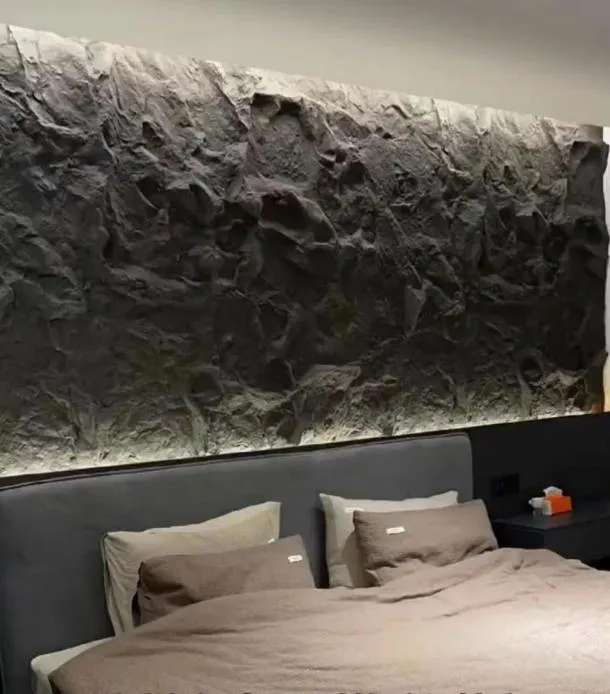
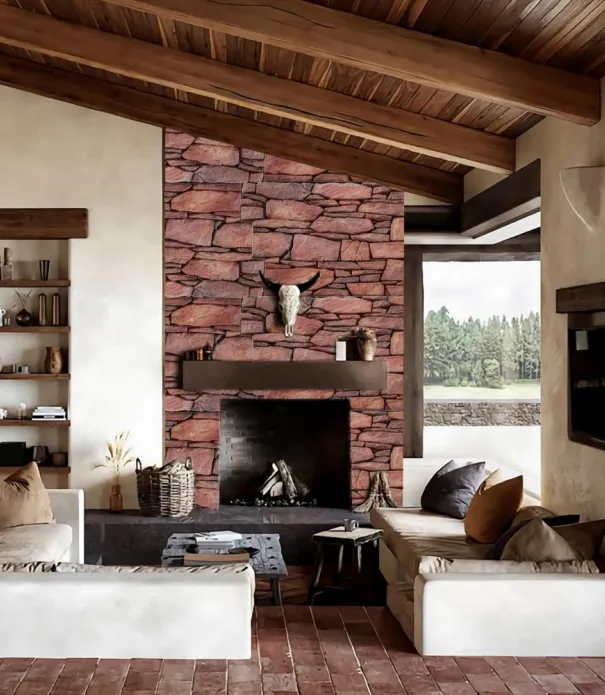
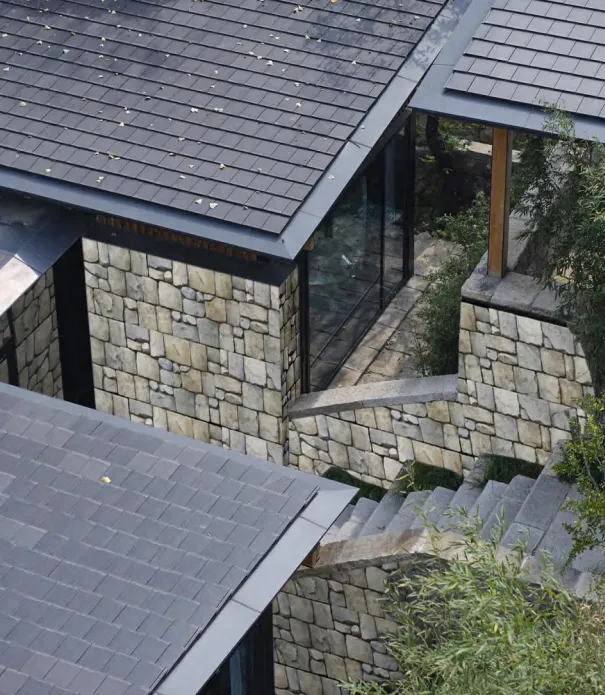
Walk through any newly built luxury villa in Dubai's Palm Jumeirah or a boutique hotel in Riyadh, and chances are you'll spot Coloria's PU stone wall panels. These panels are crafted from polyurethane (PU), a durable, foam-like material that's reinforced with fiberglass and coated with natural stone aggregates. The result? A product that weighs 70% less than traditional stone, installs 50% faster, and resists fading, cracking, and water damage—critical in a region where UV radiation and occasional heavy rains (during monsoon season) can wreak havoc on building exteriors.
"We recently completed a 30-story commercial tower in Kuwait City where the client wanted the facade to look like stacked limestone," says project manager Khalid Omar. "Using natural limestone would have added tons of weight to the structure, increasing construction costs and time. Coloria's PU stone panels gave them the exact aesthetic they wanted, but with zero structural compromises. The installers finished the facade in 8 weeks instead of the projected 16—and the client saved 30% on labor."
But PU stone isn't just for exteriors. Interior designers are increasingly using it for accent walls in lobbies, restaurants, and residential living rooms. "A client in Bahrain wanted a feature wall in their penthouse that looked like rough-hewn granite but didn't emit dust (a common issue with natural stone)," notes interior designer Layla Hassan. "Coloria's PU stone panels have a sealed surface, so they're low-maintenance and hypoallergenic. Now, that wall is the centerpiece of the space—and the client's Instagram feed."
| Product | Key Features | Ideal Applications | Fire Rating |
|---|---|---|---|
| PU Stone Wall Panels | Lightweight (8kg/m²), weather-resistant, customizable textures (limestone, granite, slate) | Exterior facades, accent walls, outdoor kitchens | Class B (with optional Class A upgrade) |
| MCM Flexible Cladding Stone Wall Panels | Ultra-thin (3-5mm), bendable, resistant to saltwater corrosion | Curved facades, coastal buildings, heritage renovations | Class A |
| Bamboo Charcoal Board Wall Panels | Eco-friendly, moisture-absorbing, natural odor control | Bedrooms, nurseries, wellness centers | Class B1 |
| Class A Fireproof CPL Inorganic Board | Non-combustible, chemical-resistant, easy to clean | Hospitals, schools, airports, high-rise buildings | Class A (highest rating) |
| Porcelain Slab Tile for Walls | Large-format (up to 1200x2400mm), scratch-resistant, stain-proof | Kitchen backsplashes, bathroom walls, hotel lobbies | Class A |
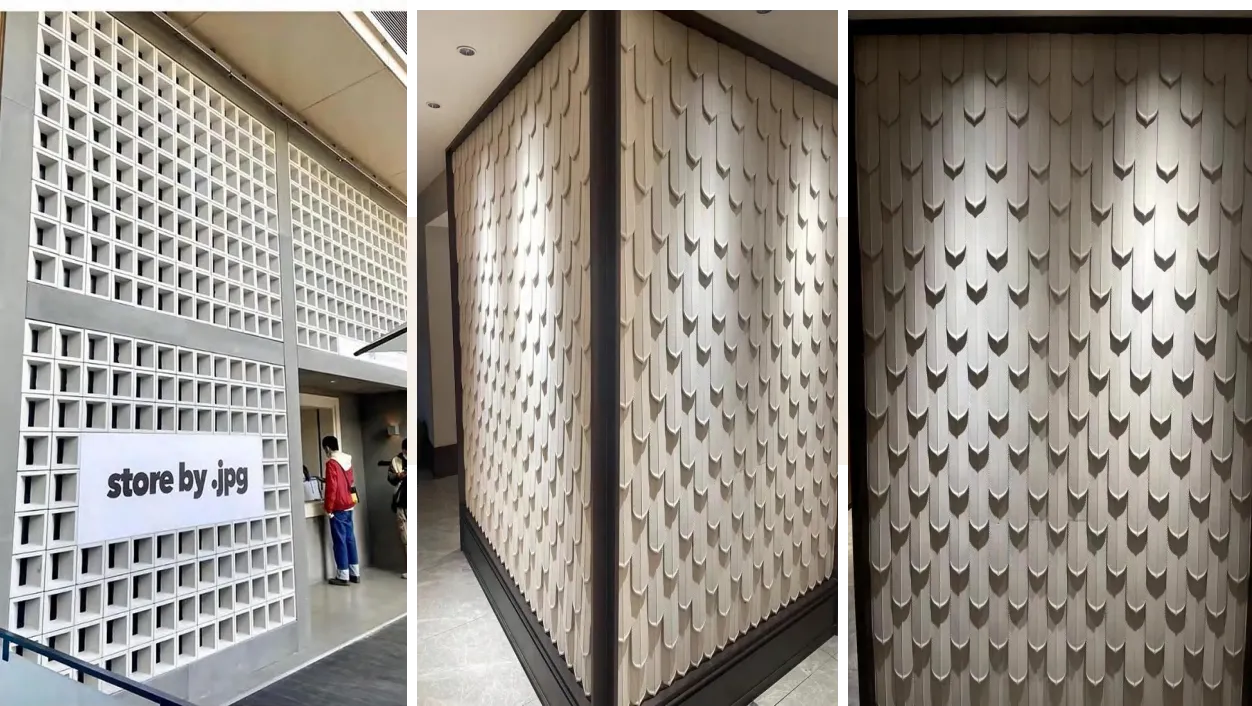
While PU stone panels are Coloria's claim to fame, their true strength lies in being a one-stop architectural solution provider. For contractors and developers juggling multiple suppliers—one for walls, another for flooring, a third for pipes—Coloria simplifies the process by offering end-to-end solutions. Take, for example, the King Abdullah Medical City in Riyadh, a state-of-the-art hospital complex that opened in 2023. Coloria supplied not just Class A fireproof CPL inorganic boards for patient rooms (critical for infection control and fire safety) but also bamboo charcoal board wall panels for waiting areas (to improve air quality) and WPC wall panels for corridors (durable enough to withstand heavy foot traffic).
"Hospitals have unique needs," explains Dr. Nora Al-Zahrani, the hospital's facilities director. "We needed materials that were fire-safe, easy to sanitize, and non-toxic. Coloria didn't just sell us boards—they worked with our team to design a wall system that integrated all these requirements. The CPL inorganic boards in the ICU are impervious to bacteria, and the bamboo charcoal panels in the pediatric ward naturally absorb odors. It's the kind of attention to detail you don't get from a typical supplier."
Coloria's portfolio also includes innovative solutions like MCM flexible cladding stone wall panels—thin, bendable sheets that adhere to curved surfaces, making them perfect for heritage buildings or modern designs with organic shapes. A recent project in Muscat, Oman, used these panels to restore the facade of a 19th-century fort, preserving its historical charm while adding a layer of weather protection. "Traditional restoration would have required hand-carving stone, which is time-consuming and expensive," says heritage architect Ahmed bin Salem. "Coloria's MCM panels matched the original stone's texture exactly, but they're lightweight and easy to install. We finished the project 3 months ahead of schedule."
Doing business in the Middle East isn't for the faint of heart. The region's climate—scorching heat, high humidity in coastal areas, and occasional sandstorms—demands materials that can stand up to extreme conditions. Add to that strict building codes (especially around fire safety) and a preference for luxurious, high-end finishes, and you have a market that rewards innovation and reliability.
Coloria has thrived by designing products with these challenges in mind. Their WPC (wood-plastic composite) wall panels, for instance, are a hit in residential projects because they mimic the look of hardwood but won't warp in humidity or fade in the sun. "We had a client in Doha who wanted a wood-look accent wall in their beachfront villa," says sales director Fatima Al-Sayed. "Natural wood would have rotted within a year due to the salt air. Our WPC panels have been up for 3 years now, and they still look brand new. The client was so impressed they ordered flooring solutions from us too."
Fire safety is another area where Coloria excels. In the wake of several high-profile building fires in the region, governments have tightened regulations, requiring Class A fire-rated materials in public spaces like schools, hospitals, and airports. Coloria's Class A fireproof CPL inorganic boards are made from mineral fiber and reinforced with a melamine resin coating, making them non-combustible and ideal for these settings. "We supplied these boards to a new school in Abu Dhabi, and during a routine fire safety inspection, the inspector couldn't believe how well they performed," says Al-Sayed. "They didn't ignite, release toxic fumes, or contribute to the spread of fire. That's the peace of mind clients need."
As the Middle East continues to invest in mega-projects—from NEOM in Saudi Arabia to the Dubai 2040 Urban Master Plan—Coloria is poised for even greater growth. The company recently expanded its manufacturing facility in Jeddah, doubling production capacity for PU stone and MCM panels. They're also investing in R&D to develop new products, like solar-reflective PU panels that reduce building cooling costs and self-cleaning porcelain slab tiles that repel dust (a game-changer for desert cities).
"Our goal isn't just to be a supplier—it's to be a partner in the region's growth," says Al-Mansoori. "We're not here to sell products; we're here to solve problems. Whether it's a developer who needs to meet a tight deadline, a hospital that prioritizes safety, or a homeowner who wants beauty without the hassle, we tailor our solutions to their unique needs."
For the architects, contractors, and designers who work with Coloria, that partnership is invaluable. "In this industry, time is money, and reliability is everything," says Khalid Omar, the project manager behind the Kuwait City tower. "Coloria doesn't just deliver materials—they deliver peace of mind. And in a market as competitive as the Middle East, that's the difference between success and failure."
Coloria's rise from a small Dammam workshop to the Middle East's fastest-growing building material supplier is a testament to one simple truth: in construction, as in life, people remember how you make them feel. By combining innovative products with a deep understanding of the region's needs, Coloria has built more than walls—they've built trust. Whether it's a PU stone facade that withstands a Saudi summer, a fireproof board that protects a school full of children, or a flexible cladding that preserves a nation's heritage, Coloria's impact is visible in the skylines, neighborhoods, and communities shaping the Middle East's future.
As Al-Mansoori puts it: "We don't just supply materials. We build stories—of homes where families thrive, hospitals where lives are saved, and cities that inspire. And that's the kind of legacy we're proud to leave."
Recommend Products











