

The Middle East's skyline is a testament to ambition—where deserts bloom with skyscrapers, and traditional courtyards blend with futuristic designs. From Dubai's sail-shaped Burj Al Arab to Riyadh's towering Kingdom Centre, and Qatar's World Cup-inspired stadiums, the region's construction boom demands materials that marry durability, aesthetics, and innovation. Among these, wall panels have emerged as a cornerstone of modern architecture, shaping exteriors that withstand scorching sun and sandstorms, and interiors that exude luxury. Today, we turn the spotlight on a material redefining this space: PU stone wall panels —and the suppliers dedicated to bringing them to life across the UAE, Qatar, and Saudi Arabia.
Walk through any new development in Abu Dhabi or Doha, and you'll notice a shift. Gone are the days when heavy natural stone was the only choice for textured walls. Enter PU stone wall panel solutions —a lightweight, versatile alternative that's quickly becoming the go-to for architects, developers, and homeowners alike. But what exactly are PU stone wall panels, and why are they gaining traction in a region known for its love of grandeur?
PU, or polyurethane, is a synthetic material celebrated for its strength-to-weight ratio. When crafted into stone wall panels, it mimics the look and feel of natural stone—think rough-hewn granite, smooth travertine, or rustic limestone—without the bulk. This is a game-changer in the Middle East, where two critical challenges often collide: the desire for opulent design and the need for structural efficiency. Traditional stone, while stunning, adds significant weight to buildings, increasing construction costs and limiting design flexibility. PU panels, by contrast, weigh up to 80% less than natural stone, reducing strain on foundations and allowing for bolder architectural choices—like cantilevered facades or multi-story feature walls.
But it's not just about weight. The Middle East's climate is unforgiving: temperatures soar above 45°C in summer, sandstorms blast buildings with grit, and humidity levels fluctuate wildly. PU stone wall panels are engineered to thrive here. Their closed-cell structure resists moisture, preventing mold growth in coastal areas like Jeddah. UV-stabilized coatings ensure colors don't fade under the relentless sun, keeping exteriors vibrant for decades. And unlike wood or fiberboard, they won't warp or crack when exposed to extreme heat. For developers, this translates to lower maintenance costs and longer-lasting beauty—a win-win in a market where reputation hinges on longevity.
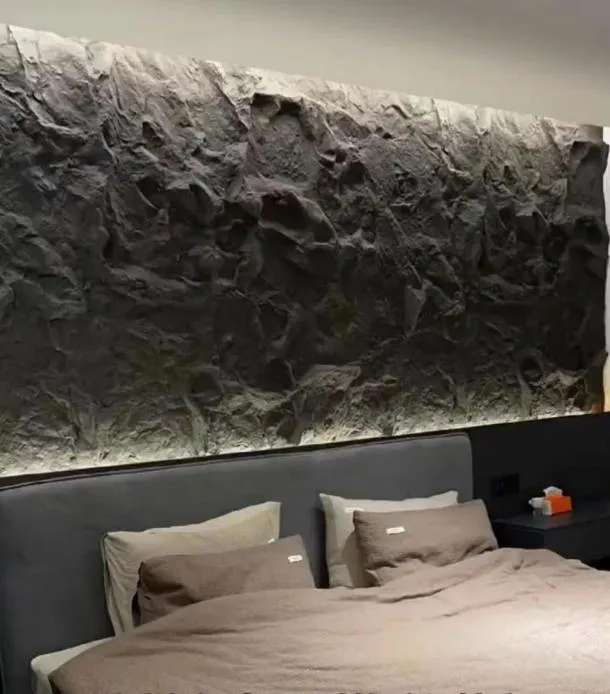
To truly appreciate why PU stone wall panel suppliers are in high demand, let's dive into the practical advantages that set these panels apart. For contractors, installation speed is a top priority—and PU panels deliver. Traditional stone requires heavy machinery, skilled stonemasons, and days of labor. PU panels, however, are lightweight enough to be carried by two workers and installed with basic tools. A typical 100m² wall that might take a week to clad with natural stone can be finished in 2-3 days with PU panels, cutting project timelines and labor costs significantly.
Fire safety is another non-negotiable in the Middle East, especially in commercial spaces like hotels, schools, and hospitals. Many PU stone wall panels are rated Class B or higher for fire resistance, meeting strict local regulations. While they may not match the Class A fireproof rating of specialized materials like CPL inorganic boards (often used in hospitals), they strike an ideal balance between safety and aesthetics for most residential and commercial projects. For instance, a hotel in Doha recently chose PU panels for its lobby feature wall, prioritizing both fire compliance and the warm, inviting look of stacked stone.
Customization is where PU panels truly shine. Unlike natural stone, which is limited by quarry yields, PU panels can be molded into any texture, color, or size. Want a wall that looks like aged sandstone for a heritage-inspired villa in Riyadh? Or sleek, charcoal-colored panels for a minimalist office in Dubai Media City? Suppliers offer endless options, including custom molds for unique patterns. This flexibility allows architects to bring their visions to life without compromising on practicality—a key reason why residential building materials supplier and commercial building materials supplier partnerships are increasingly centered around PU solutions.
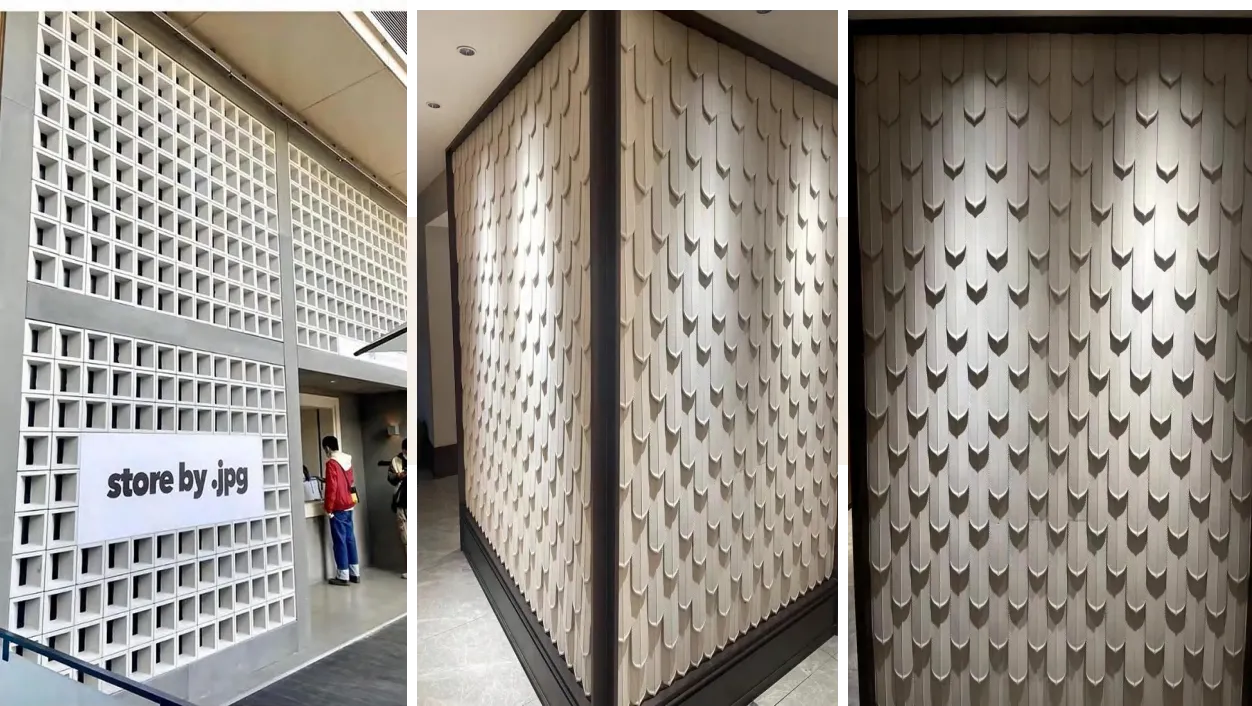
PU stone wall panels aren't a one-trick pony. Their versatility makes them suitable for almost any project, from cozy villas to sprawling commercial complexes. Let's explore how they're being used across the Middle East's diverse construction landscape.
Residential Projects: In the UAE, where luxury villas dot communities like Dubai's Emirates Hills and Abu Dhabi's Saadiyat Island, homeowners are turning to PU panels to elevate their exteriors. Imagine a private villa with a PU stone facade that mimics the warm tones of Saudi sandstone—no need to import heavy stone from quarries, and the panels will retain their color even after years of Dubai's sun. Inside, PU panels are transforming living rooms into retreats: a feature wall behind a TV, clad in faux travertine, adds texture without overwhelming the space. Even outdoor areas benefit—patio walls, garden fences, and pool surrounds clad in PU stone resist water damage and stay cool to the touch, making them perfect for evening gatherings.
Commercial Developments: For hotels, malls, and offices, first impressions matter. PU stone wall panels are helping brands make a statement. Take a luxury hotel in Riyadh's King Abdullah Financial District: its lobby features a 12-meter-tall PU stone accent wall, designed to evoke the rugged beauty of the Saudi mountains. Because the panels are lightweight, the hotel avoided reinforcing the structure, saving over AED 500,000 in construction costs. In Qatar, a new shopping mall used PU panels for its food court walls, choosing a terrazzo-inspired finish that's easy to clean and resistant to stains from spills—critical in high-traffic areas. Even schools and hospitals are joining in: a Dubai-based one-stop architectural solution provider recently supplied PU panels for a school's auditorium, citing their sound-dampening properties and low maintenance as key selling points.
| Material | Weight (kg/m²) | Installation Time (100m²) | Weather Resistance | Cost (Relative) | Aesthetic Options |
|---|---|---|---|---|---|
| PU Stone Wall Panels | 8-12 | 2-3 days | Excellent (UV, moisture, sand) | Moderate | 50+ textures/colors (customizable) |
| Natural Granite | 40-50 | 5-7 days | Good (prone to fading) | High | Limited by quarry availability |
| WPC Wall Panels | 15-20 | 3-4 days | Fair (swells in humidity) | Moderate-High | Mainly wood grains |
| MCM Cladding | 12-15 | 4-5 days | Good (less impact resistance) | High | Limited stone-like textures |
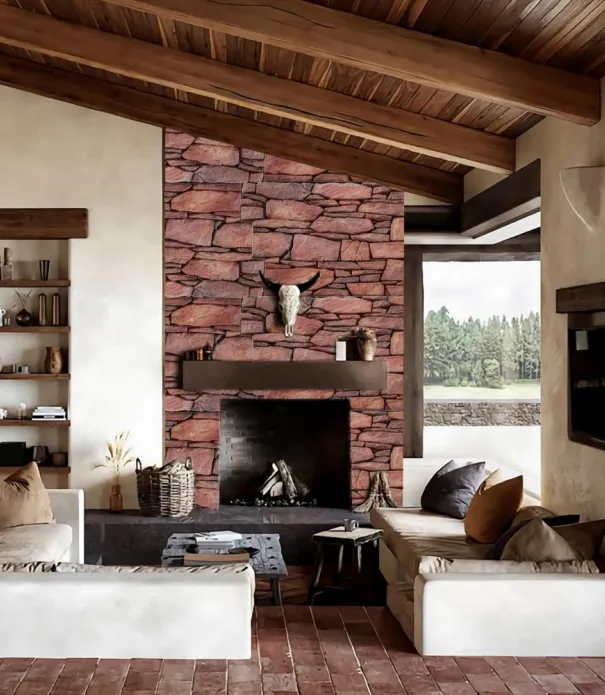
In a market flooded with options, what sets a reliable PU stone wall panel supplier apart? For developers and contractors in the UAE, Qatar, and Saudi Arabia, the answer often lies in the "one-stop" approach. A one-stop architectural solution provider doesn't just sell panels—they partner with clients from design to delivery, ensuring a seamless experience.
Take, for example, a Riyadh-based supplier serving the Saudi market. Beyond offering a wide range of PU stone textures, they provide 3D rendering services, helping architects visualize how panels will look on a building's facade before production begins. They also handle logistics, ensuring panels arrive on-site in climate-controlled trucks to prevent warping in transit—critical during Saudi summers. For a large-scale project like a mixed-use development in Doha, this level of support is invaluable: it reduces coordination headaches, minimizes delays, and ensures consistency across every panel.
Quality control is another hallmark of top suppliers. The best PU stone wall panel solutions undergo rigorous testing: panels are exposed to 50°C heat for 1000 hours to check for color fading, submerged in water for a week to test moisture resistance, and even blasted with sand to simulate desert storms. Certifications matter too—look for suppliers compliant with UAE's ESMA standards, Qatar's QS, or Saudi Arabia's SASO regulations. These certifications aren't just paperwork; they're a guarantee that the panels will perform as promised, even in the harshest conditions.
After-sales support is often the unsung hero. A supplier that stands behind its products will offer warranties (5-10 years is standard) and have a local team ready to address issues. Imagine a hotel in Dubai that notices a panel damaged during cleaning—within 24 hours, the supplier sends a technician to replace it, no questions asked. That's the kind of reliability that builds long-term partnerships in the Middle East's fast-paced construction industry.
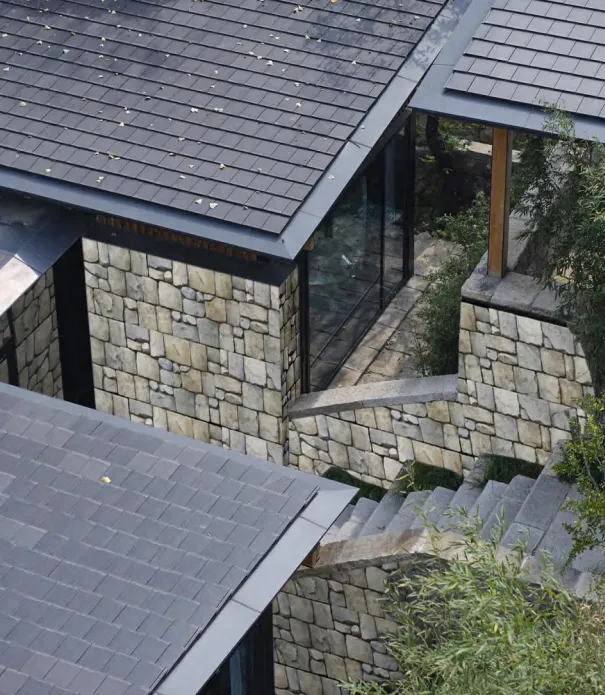
Let's bring this to life with real-world examples of how PU stone wall panels are making an impact across the region.
Case 1: Luxury Villa Development, Dubai Hills Estate
A developer in Dubai wanted to create 20 high-end villas with a "Mediterranean meets desert" aesthetic. Natural stone was initially planned, but structural engineers raised concerns about the weight. Enter PU stone wall panels. The supplier worked with the architect to create custom "desert limestone" panels, matching the color of local sandstone. Installation took 3 days per villa (vs. 7 days with natural stone), cutting the project timeline by 40%. Today, the villas stand out for their warm, textured exteriors—and homeowners love that the panels stay cool to the touch, even in August heat.
Case 2: Commercial Mall, Riyadh
A new mall in Riyadh's King Fahd District needed a way to make its food court feel "rustic yet modern." The design called for a 200m² feature wall with the look of stacked stone, but budget constraints ruled out natural materials. The supplier proposed PU stone panels in a "cobblestone" texture, finished in earthy tones. The result? A wall that looks like it was built from hand-laid stone, but cost 30% less and was installed in just 5 days. Shoppers often stop to take photos, and the mall's management reports increased foot traffic in the food court—a testament to the panels' visual appeal.
Case 3: School Renovation, Doha
A Qatari school wanted to update its entrance hall to be more inviting for students. The old walls were plain concrete, and the school needed a solution that was durable, easy to clean, and fire-safe. The supplier recommended PU stone panels with a smooth "travertine" finish, rated Class B for fire resistance. The panels were installed over a weekend (minimizing disruption to classes) and now feature colorful murals painted directly on them. Teachers note that the walls stay clean despite daily student traffic, and the warm stone texture has made the entrance feel more welcoming.
As the Middle East continues to build, the demand for innovative materials will only grow. PU stone wall panels are poised to lead this charge, thanks to their adaptability, cost-effectiveness, and sustainability (many suppliers now offer panels made with recycled PU, reducing environmental impact). We're already seeing trends like "smart panels" integrated with LED lighting for dynamic facades, or panels with thermal insulation properties to improve building energy efficiency—critical in a region where air conditioning bills can be astronomical.
For residential building materials supplier and commercial building materials supplier alike, the message is clear: PU stone wall panels aren't a passing fad. They're a cornerstone of modern Middle Eastern architecture—proof that beauty and practicality can coexist. As more architects and developers discover their benefits, we can expect to see these panels gracing more skylines, transforming more spaces, and setting new standards for what's possible in construction.
In the end, it's about more than just walls. It's about creating buildings that reflect the Middle East's spirit of innovation—structures that are strong enough to stand the test of time, beautiful enough to inspire, and smart enough to meet the region's unique challenges. And in that mission, PU stone wall panels are leading the way.
Recommend Products











