


Walk through the streets of Dubai, Riyadh, or Abu Dhabi, and you'll see cranes piercing the sky, luxury high-rises reaching for the clouds, and sprawling commercial hubs taking shape. The Middle East is in the midst of a construction revolution—driven by visionary projects like Saudi Arabia's NEOM, Dubai's Expo City, and Abu Dhabi's Masdar City. But behind these architectural marvels lies an unsung hero: plumbing. It's the silent backbone that turns buildings into functional spaces, ensuring clean water flows into homes, businesses, and public facilities, while wastewater is safely carried away.
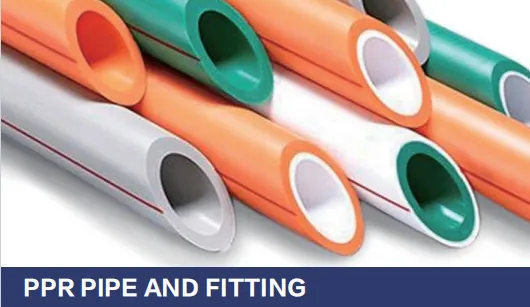
In a region where temperatures soar above 45°C in summer, where water scarcity is a pressing concern, and where building codes are among the strictest in the world, the choice of plumbing materials isn't just a matter of cost—it's a matter of resilience. A single leak in a high-rise apartment can disrupt dozens of families. A burst pipe in a hospital can compromise patient care. A faulty drainage system in a shopping mall can drive away customers. That's why contractors, architects, and developers are increasingly turning to materials that can withstand the region's unique challenges. And in this quest for reliability, one material has emerged as a standout: PPR pipes and fittings.
But before we dive into why PPR has become the go-to choice, let's take a moment to understand the plumbing landscape in the Middle East. Unlike colder climates, where freezing temperatures are the primary threat, here, the enemy is heat. Pipes carrying hot water for showers, kitchens, and industrial processes are under constant stress. Add to that the region's hard water, which can corrode metal pipes over time, and the need for low-maintenance, long-lasting solutions becomes clear. This is where a trusted PPR pipe and fitting supplier steps in—not just as a vendor, but as a partner in building infrastructure that lasts.










