
The Middle East stands at the forefront of a construction revolution. From the gleaming skyscrapers of Dubai to the sprawling residential complexes in Riyadh, and the ambitious smart city projects in Qatar, the region's skyline is evolving faster than ever. Behind every iconic building, however, lies a network of systems that often go unnoticed but are critical to its functionality: plumbing. In a region where extreme temperatures, rapid urbanization, and unique environmental challenges converge, the demand for reliable, durable, and efficient plumbing solutions has never been higher. This is where Coloria, a trusted one-stop architectural solution provider , steps in—offering tailored PVC DWV pipe solutions designed to meet the Middle East's most pressing plumbing needs.
To understand the importance of quality plumbing in the Middle East, one must first grasp the scale of its construction boom. According to recent reports, the region's construction industry is projected to grow by 4.5% annually over the next five years, driven by investments in residential, commercial, and infrastructure projects. Countries like Saudi Arabia, with its Vision 2030 initiative, are pouring billions into building new cities, hospitals, schools, and transportation hubs. The UAE, meanwhile, continues to expand its tourism and business sectors, with projects like Dubai South and Abu Dhabi's Yas Island developments. Even smaller nations like Oman and Bahrain are ramping up construction to diversify their economies.
But this growth brings unique challenges. The Middle East's climate—characterized by scorching summers (temperatures often exceeding 45°C), low humidity, and occasional sandstorms—puts immense stress on building materials. Plumbing systems, in particular, face threats from corrosion, thermal expansion, and clogging, which can lead to leaks, water damage, and costly repairs. Add to this the region's focus on sustainability and water conservation, and it's clear that not just any plumbing solution will suffice. What's needed are pipes that can withstand harsh conditions, reduce maintenance needs, and align with green building standards.
Traditional plumbing materials like cast iron and copper, once staples in construction, are increasingly falling short in the Middle East. Cast iron, for example, is heavy and prone to rust, especially in areas with high salt content in the air (common in coastal cities like Dubai and Doha). Copper, while durable, is expensive and can corrode when exposed to certain chemicals in the water supply. Both materials also require skilled labor for installation, driving up project costs and timelines.
Another critical issue is the lack of standardization in building designs. From luxury hotels with intricate bathroom layouts to high-rise apartments with compact plumbing chases, each project has unique spatial constraints. Off-the-shelf pipes often force contractors to compromise on design or spend extra time modifying systems to fit—delaying projects and increasing waste. This is where PVC DWV (Drain-Waste-Vent) pipes have emerged as a game-changer, offering versatility, durability, and cost-effectiveness. And when paired with Coloria's customization capabilities, they become an even more powerful solution.
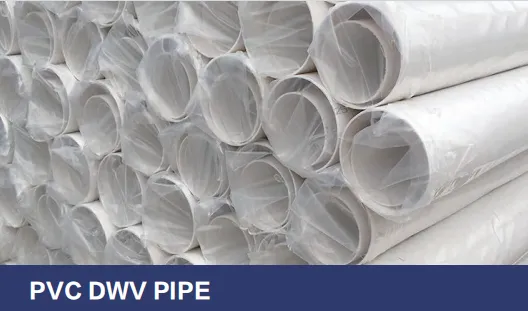
PVC (Polyvinyl Chloride) DWV pipes are designed specifically for draining wastewater and venting sewer gases from buildings. Unlike pressure pipes used for water supply, DWV pipes operate under gravity, relying on proper slope and diameter to move water efficiently. What makes PVC ideal for the Middle East? For starters, it's inherently resistant to corrosion, chemical degradation, and biological growth—all common issues in the region's plumbing systems. PVC is also lightweight, making it easier to transport and install, which reduces labor costs. Its smooth inner surface minimizes friction, preventing clogs from hair, soap scum, and debris—critical in high-usage areas like hotels and hospitals.
But not all PVC DWV pipes are created equal. Generic pipes may meet basic standards, but they often fail to address the Middle East's specific needs. For instance, pipes used in coastal areas need extra UV resistance to prevent degradation from intense sunlight. Those installed in hospitals or schools must comply with strict fire safety regulations. And in large-scale projects like shopping malls, pipes need to handle high volumes of wastewater without cracking or leaking. This is where Coloria's expertise as a PVC DWV pipe supplier shines: by offering custom solutions that go beyond standard specifications.
Coloria isn't just a supplier—it's a partner in construction. With years of experience serving the Middle East market, the company understands that every project has unique requirements. That's why its PVC DWV pipe solutions are built on three pillars: customization, quality, and reliability.
One of the biggest frustrations for contractors is finding pipes that fit their project's exact specifications. Standard PVC DWV pipes come in fixed diameters (e.g., 1.5 inches, 2 inches, 3 inches), but many Middle Eastern projects require non-standard sizes to navigate tight spaces or accommodate high flow rates. Coloria's manufacturing facilities are equipped to produce pipes in custom diameters, lengths, and wall thicknesses, ensuring a perfect fit for any design. Whether it's a narrow plumbing chase in a luxury apartment or a large-diameter main line for a university campus, Coloria works closely with clients to engineer pipes that align with their blueprints—eliminating the need for costly modifications on-site.
The Middle East's sun is unforgiving, and standard PVC pipes can become brittle over time when exposed to prolonged UV radiation. Coloria addresses this by adding UV stabilizers to its pipe formulations, extending their lifespan even in direct sunlight. For coastal projects, where saltwater and humidity can accelerate degradation, the company offers pipes with enhanced chemical resistance. In areas prone to temperature fluctuations (like desert regions, where nights can be cool and days scorching), Coloria's pipes are designed to withstand thermal expansion and contraction without cracking—a critical feature that prevents leaks and water damage.
In the Middle East, building codes are strict—and for good reason. Projects must adhere to standards set by organizations like the Saudi Standards, Metrology and Quality Organization (SASO), the Emirates Authority for Standardization and Metrology (ESMA), and international bodies like ASTM and ISO. Coloria's PVC DWV pipes are rigorously tested to meet or exceed these standards. For example, pipes intended for use in hospitals and schools comply with Class A fire safety ratings, ensuring they don't contribute to the spread of flames in case of a fire. Pipes for commercial buildings meet ASTM D2665 standards for drainage, waste, and vent applications, guaranteeing reliable performance under heavy usage.
Large construction sites are chaotic, with hundreds of workers and materials moving daily. Misidentifying pipes can lead to installation errors, delays, and even safety hazards. Coloria offers custom color-coding for its PVC DWV pipes, allowing contractors to differentiate between systems (e.g., gray for wastewater, green for vent lines) at a glance. This simple yet effective feature speeds up installation, reduces mistakes, and makes maintenance easier down the line—especially in complex projects like shopping malls or industrial facilities.
To truly appreciate the value of Coloria's PVC DWV pipe solutions , let's break down their standout features:
Still unsure if PVC DWV is the right choice for your project? Let's compare Coloria's solutions with traditional plumbing materials commonly used in the Middle East:
| Feature | Coloria PVC DWV Pipes | Cast Iron | Copper |
|---|---|---|---|
| Cost (Material + Installation) | Lowest | Highest (heavy, requires skilled labor) | High (expensive material + specialized installation) |
| Weight | Lightweight (easy to transport/install) | Very heavy (requires machinery for installation) | Moderate (heavier than PVC) |
| Corrosion Resistance | Excellent (no rust or chemical degradation) | Poor (prone to rust in humid/salty environments) | Good (but can corrode with acidic water) |
| Maintenance Needs | Low (smooth surface resists clogs) | High (prone to clogging; requires regular cleaning) | Moderate (can develop scale buildup) |
| UV/Sunlight Resistance | Excellent (with UV stabilizers) | Poor (paint/coating can chip, leading to rust) | Good (but expensive to replace if damaged) |
| Customization Options | High (custom sizes, colors, formulations) | Low (limited to standard sizes) | Low (standard sizes only) |
The table speaks for itself: Coloria's PVC DWV pipes offer a superior balance of cost, durability, and versatility—making them the ideal choice for Middle Eastern construction projects.
Coloria's PVC DWV pipe solutions are not limited to a single sector. Their adaptability makes them suitable for a wide range of projects across the Middle East:
From high-rise apartments in Dubai Marina to villa communities in Riyadh, residential projects demand plumbing systems that are reliable, quiet, and cost-effective. Coloria's PVC DWV pipes reduce noise from water flow (thanks to their smooth inner surfaces) and are resistant to clogs—critical for busy households. Custom lengths also minimize joint connections, reducing the risk of leaks.
Shopping malls, office towers, and hotels see high volumes of wastewater daily. Coloria's large-diameter PVC DWV pipes handle these flows with ease, while their corrosion resistance ensures long-term performance. For hotels, color-coded pipes simplify maintenance, allowing staff to quickly identify and address issues without disrupting guest experiences.
Hospitals and schools have strict safety and hygiene requirements. Coloria's PVC DWV pipes meet Class A fire ratings and are easy to clean, preventing the buildup of bacteria and mold. Their chemical resistance also makes them suitable for laboratories and medical facilities where harsh cleaning agents are used.
Factories, warehouses, and industrial parks often deal with wastewater containing oils, chemicals, or debris. Coloria's customized PVC DWV pipes, with enhanced chemical resistance and reinforced walls, can withstand these harsh conditions—reducing downtime and maintenance costs.
In the construction industry, quality is non-negotiable. A single faulty pipe can lead to water damage, mold growth, or even structural issues—costing projects millions in repairs. Coloria takes quality seriously, implementing rigorous testing at every stage of production:
Raw Material Inspection: Only high-grade PVC resin and additives (UV stabilizers, impact modifiers) are used, sourced from trusted suppliers with ISO certifications.
In-Process Testing: During manufacturing, pipes are tested for dimensional accuracy, wall thickness, and impact resistance. Samples are taken hourly to ensure consistency.
Post-Production Testing: Finished pipes undergo pressure testing, heat deflection testing, and UV exposure testing to simulate real-world conditions in the Middle East.
Third-Party Certifications: All Coloria PVC DWV pipes are certified by international bodies like ASTM, ISO, and SASO, giving clients peace of mind that they meet global standards.
Sustainability is no longer a buzzword in the Middle East—it's a requirement. Governments across the region are implementing green building codes (e.g., LEED, Estidama) to reduce carbon footprints and conserve resources. Coloria's PVC DWV pipes align with these goals in several ways:
Energy Efficiency: PVC production requires less energy than metal manufacturing, reducing carbon emissions.
Recyclability: Coloria's pipes are 100% recyclable at the end of their lifespan, minimizing waste.
Water Conservation: By resisting leaks and clogs, Coloria's pipes help reduce water waste—a critical factor in water-scarce regions like the Middle East.
For developers aiming for green building certifications, choosing Coloria's PVC DWV pipe solutions can contribute to points in categories like "Materials and Resources" and "Water Efficiency."
Actions speak louder than words. Here are a few examples of how Coloria's PVC DWV pipe solutions have made a difference in real Middle Eastern projects:
A 5-star hotel in Dubai was facing challenges with its plumbing system during construction. The building's unique curved design required non-standard pipe lengths to fit the circular bathrooms, and the coastal location demanded UV-resistant materials. Coloria worked with the contractor to produce custom 4-inch diameter pipes with UV stabilizers and pre-cut lengths, reducing installation time by 30%. Today, the hotel's plumbing system operates flawlessly, with zero leaks reported in three years of operation.
A new children's hospital in Riyadh needed plumbing pipes that met strict fire safety and hygiene standards. Coloria supplied Class A fire-rated PVC DWV pipes with smooth inner surfaces to prevent bacterial growth. The pipes were also color-coded (blue for potable water, gray for wastewater) to simplify maintenance. The hospital passed its safety inspections with flying colors and has since become a model for healthcare facility construction in Saudi Arabia.
A developer in Abu Dhabi was building a 20-tower residential complex and needed a cost-effective plumbing solution that could be installed quickly. Coloria provided lightweight PVC DWV pipes in custom lengths, reducing the number of joints by 40% and cutting labor costs by 25%. The project was completed two months ahead of schedule, saving the developer millions in financing costs.
With so many suppliers in the market, what makes Coloria stand out? Here are just a few reasons:
The Middle East's construction boom shows no signs of slowing down, and with it, the demand for reliable plumbing solutions will only grow. In a region where every project is a statement of ambition, cutting corners on plumbing is not an option. Coloria's PVC DWV pipe solutions offer the perfect blend of durability, customization, and sustainability—designed to meet the Middle East's unique challenges head-on.
Whether you're building a skyscraper, a hospital, or a residential complex, Coloria isn't just a supplier—it's a partner invested in your project's success. By choosing Coloria as your PVC DWV pipe supplier , you're not just buying pipes; you're investing in peace of mind, knowing that your plumbing system is built to last.
In the end, the Middle East's skyline is more than just steel and glass—it's the result of thousands of small, critical components working together. And with Coloria's PVC DWV pipes, those components are built to withstand the test of time.
Recommend Products












