

The Middle East's construction landscape is undergoing a remarkable transformation. From the futuristic skylines of Dubai to the ambitious urban expansion of Riyadh and the sustainable city projects in Qatar, the region is buzzing with activity. At the heart of this boom lies a growing demand for innovative building materials that marry durability, aesthetics, and sustainability. Among these, MCM flexible cladding stone wall panels have emerged as a standout choice for architects, developers, and homeowners alike. In this article, we'll explore why these panels are gaining traction, the key factors driving their demand, and take a closer look at the leading suppliers shaping the market—particularly those in Saudi Arabia, a hub for construction innovation.
Before diving into the demand dynamics, let's clarify what makes MCM panels so special. MCM, short for Modified Composite Material, is a cutting-edge cladding solution crafted by blending natural stone particles (like marble, granite, or quartz) with a polymer resin binder. The result? A panel that's lightweight yet incredibly strong, flexible enough to curve around architectural contours, and resistant to the harsh Middle Eastern climate. Unlike traditional stone cladding, which can be heavy and brittle, MCM panels offer a winning combination of practicality and beauty—making them ideal for both exterior façades and interior feature walls.
Think about the challenges of building in the Middle East: scorching temperatures that can exceed 50°C (122°F), sandstorms that batter surfaces, and strict sustainability goals under initiatives like Saudi Vision 2030. MCM panels address all these. Their low thermal conductivity helps keep buildings cool, reducing energy costs for air conditioning. Their durability ensures they stand up to sand abrasion and UV radiation without fading. And because they're lightweight, they reduce the structural load on buildings, allowing for more ambitious architectural designs. It's no wonder developers are increasingly choosing MCM over older materials.
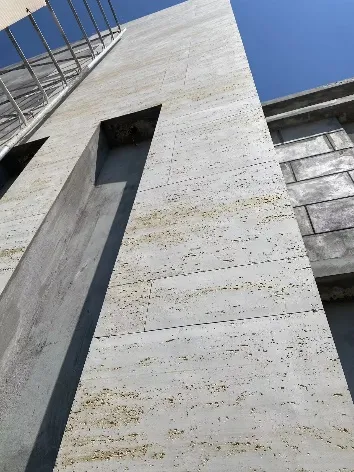
The Middle East is in the midst of an urban revolution. Saudi Arabia's Vision 2030, for example, aims to build 10 new "giga-cities," including NEOM—a futuristic metropolis in the Tabuk region—and the Red Sea Project, a luxury tourism destination. Dubai continues to expand with projects like Dubai South, while Qatar is investing heavily in infrastructure post-2022 World Cup. These mega-projects demand materials that can keep up with bold designs and tight deadlines. MCM panels, with their quick installation and design flexibility, are becoming a go-to for architects looking to bring their visions to life.
Consider NEOM's focus on sustainability and innovation. MCM panels align perfectly with this ethos, as they're often made with recycled materials and require less energy to produce than traditional stone. In Dubai, where the skyline is defined by iconic structures like the Burj Khalifa, MCM panels are being used to add unique textures and colors to new high-rises, ensuring they stand out in a city known for architectural ambition.
The Middle East's design scene is a blend of modernity and tradition. Architects are increasingly seeking materials that reflect local culture while embracing global trends. MCM panels excel here. They can mimic the look of natural stone—from the warm tones of Saudi Arabian desert sandstone to the sleek finish of Jordanian marble—without the weight or cost of quarried stone. This versatility allows designers to create façades that pay homage to regional heritage while achieving a contemporary feel.
For instance, a recent hotel project in Jeddah used MCM panels in earthy, terracotta hues to echo the color palette of historic Hejaz architecture, while incorporating curved panels to add a modern, flowing silhouette. Similarly, a commercial complex in Doha opted for MCM panels that replicate the of traditional Qatari limestone, giving the building a sense of place in the local landscape.
The Middle East's climate is unforgiving. High temperatures, intense sunlight, and occasional sandstorms can take a toll on building exteriors. MCM panels are engineered to thrive in these conditions. Their resin binder resists fading, while their smooth surface makes them easy to clean—important in dusty environments. Unlike wood or vinyl cladding, they're also fire-resistant, a critical safety feature in a region where fire regulations are becoming stricter.
In coastal areas like Dubai or Kuwait City, where humidity and salt air can corrode materials, MCM panels offer excellent resistance to moisture and corrosion. This durability translates to lower maintenance costs over time, a key consideration for developers focused on long-term value.
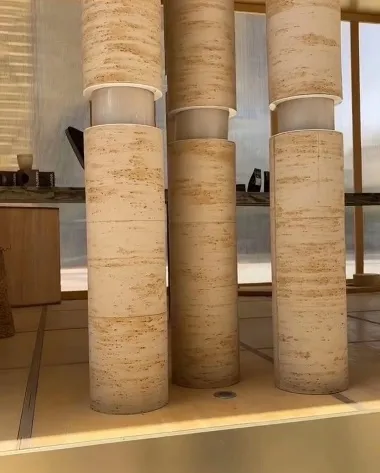
As demand for MCM panels grows, a handful of suppliers have risen to prominence, offering not just products but end-to-end solutions tailored to the region's needs. Below, we analyze the top players, with a focus on those based in Saudi Arabia—a market that's leading the charge in construction innovation.
| Supplier Name | Key Solutions | Target Markets | Notable Projects | Sustainability Features |
|---|---|---|---|---|
| Saudi Building Innovations (SBI) | MCM flexible cladding stone wall panel solutions, architectural façade solutions, custom color matching | Saudi Arabia, UAE, Kuwait | NEOM residential towers, Riyadh Financial District, Jeddah Waterfront Mall | Recycled stone content (up to 30%), low-VOC resin, LEED-certified production |
| Gulf Facade Tech (GFT) | MCM panels for high-rises, curved cladding systems, fire-rated MCM solutions | Dubai, Abu Dhabi, Doha | Dubai Creek Tower (interior cladding), Qatar Education City Stadium façade | Energy-efficient manufacturing, solar-reflective coatings for heat reduction |
| Middle East Cladding Masters (MECM) | Eco-friendly MCM panels, heritage-inspired designs, installation training | Muscat, Bahrain, Kuwait | Muscat Royal Opera House extension, Bahrain Bay residential complex | Carbon-neutral production, FSC-certified raw materials |
As a leading saudi arabia building materials supplier , Saudi Building Innovations (SBI) has carved a niche by combining local expertise with global technology. Founded in 2010, SBI recognized early the potential of MCM panels in the Middle East and invested in a state-of-the-art manufacturing facility in Riyadh. Today, they're a one-stop architectural solution provider , offering not just MCM panels but also complementary products like WPC wall panels and porcelain slab tiles—though their mcm flexible cladding stone wall panel solutions remain their flagship offering.
What sets SBI apart is their focus on customization. They work closely with architects to develop panels that match specific design requirements, whether it's a unique texture, color, or size. For the NEOM residential towers project, for example, SBI created custom MCM panels in gradient shades of blue and green to reflect the Red Sea coastline. The panels were also engineered to withstand high winds, a critical feature for the coastal location.
SBI's commitment to sustainability is another key differentiator. Their Riyadh factory runs on solar power, and they source stone particles from local quarries to reduce carbon emissions from transportation. "We believe that sustainability isn't just a buzzword—it's a necessity for the Middle East's future," says Ahmed Al-Mansoori, SBI's Director of Operations. "Our MCM panels help developers meet green building standards like LEED and Estidama, which are becoming mandatory for major projects."
Based in Dubai, Gulf Facade Tech (GFT) has made a name for itself by specializing in high-performance MCM solutions for challenging environments. Their panels are rigorously tested to withstand temperatures up to 80°C (176°F) and sandstorm winds of 120 km/h—parameters that reflect the region's harshest conditions. This focus on durability has made them a favorite for mega-projects like Dubai Creek Tower, where their fire-rated MCM panels were chosen for interior cladding in high-traffic areas.
GFT's technical team works closely with clients to ensure proper installation, offering on-site training for contractors. "MCM panels are only as good as their installation," explains Maria Hassan, GFT's Technical Sales Manager. "We provide detailed 3D models and installation guides to ensure panels are fitted correctly, minimizing waste and maximizing performance."
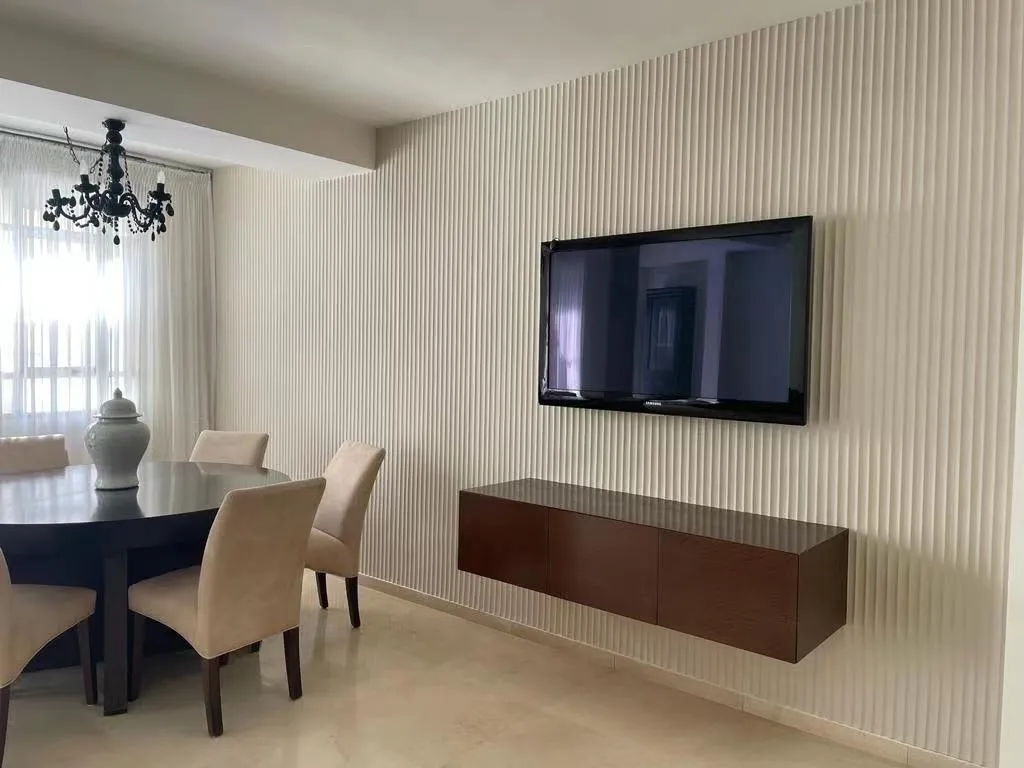
The Riyadh Financial District's latest addition, a 45-story office tower, needed a façade that would stand out in a skyline dominated by glass and steel. The developer partnered with Saudi Building Innovations to install MCM panels in a warm, sandstone finish. The panels were chosen for their ability to mimic natural stone without the weight, allowing the tower's structure to support additional floors.
Result: The tower's façade has become a landmark, with the MCM panels' texture creating a dynamic play of light and shadow throughout the day. Post-construction, the developer reported a 15% reduction in cooling costs compared to similar glass-clad buildings, thanks to the panels' thermal insulation properties.
A 5-star hotel in Doha wanted to blend modern luxury with Qatari heritage. Gulf Facade Tech was tasked with creating a façade that evoked traditional Qatari courtyard walls, which are typically made of hand-carved limestone. GFT developed custom MCM panels with a textured, chiseled finish that replicated the look of historic stonework, but with the flexibility to curve around the hotel's circular lobby.
Result: The hotel's exterior has been praised for its cultural sensitivity and modern appeal. Guests often comment on the "warm, inviting" feel of the façade, which stands in contrast to the sleek, impersonal look of many contemporary hotels in the region. The MCM panels have also proven resistant to Doha's humid summers, requiring minimal maintenance over three years.

While the future looks bright for MCM panels, suppliers face several hurdles. One of the biggest is competition from lower-cost alternatives, such as vinyl cladding or fiber cement boards. "Many developers are focused on upfront costs, not long-term value," notes Al-Mansoori of SBI. "We spend a lot of time educating clients on how MCM panels save money over time through lower maintenance and energy bills."
Logistics is another challenge. For suppliers without local manufacturing facilities, importing MCM panels can lead to delays and higher costs—especially given global supply chain disruptions. This is why companies like SBI invested in local production: to ensure timely delivery for projects with tight deadlines.
Regulatory compliance is also a key concern. Each Middle Eastern country has its own building codes, particularly around fire safety and sustainability. For example, the UAE requires cladding materials to pass ASTM E119 fire tests, while Saudi Arabia has strict standards for VOC emissions. Suppliers must invest in testing and certification to meet these requirements, which can be costly.
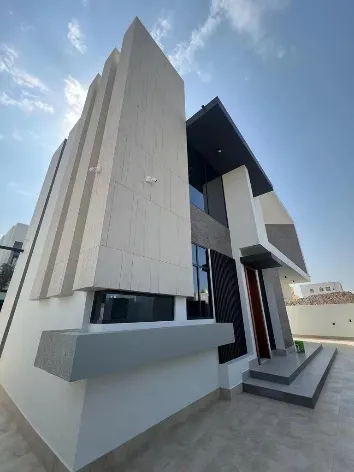
Despite these challenges, the future of MCM flexible cladding stone wall panels in the Middle East is promising. Industry reports project a compound annual growth rate (CAGR) of 9.2% for the MCM cladding market in the GCC through 2028, driven by ongoing urbanization and sustainability goals. Suppliers are already innovating to stay ahead.
One emerging trend is the integration of smart technology into MCM panels. Companies like GFT are experimenting with panels embedded with sensors that monitor temperature, humidity, and structural stress—data that can be used to optimize building maintenance. Others are developing MCM panels with solar-reflective coatings to further reduce cooling costs, a feature that could be game-changing in desert climates.
Sustainability will also remain a focus. Suppliers are exploring ways to increase the recycled content in MCM panels and reduce water usage in production. "We're aiming to have 50% recycled stone content in our panels by 2026," says Al-Mansoori. "And we're testing bio-based resins as a more eco-friendly alternative to traditional binders."
Another area of growth is interior applications. While MCM panels are primarily used for exteriors, designers are increasingly incorporating them into interiors—think feature walls in hotels, restaurants, and luxury homes. Their durability and aesthetic versatility make them ideal for high-traffic indoor spaces, opening up a new market for suppliers.
As the Middle East continues to build for the future, MCM flexible cladding stone wall panels are proving to be more than just a trend—they're a cornerstone of modern, sustainable construction. With their unique blend of durability, flexibility, and beauty, they're helping architects and developers create buildings that are both functional and inspiring.
Leading suppliers like Saudi Building Innovations and Gulf Facade Tech are driving this growth by focusing on local production, customization, and sustainability. As they overcome challenges like competition and regulatory hurdles, they're positioning MCM panels as a go-to solution for the region's most ambitious projects.
Looking ahead, it's clear that MCM panels will play a pivotal role in shaping the Middle East's architectural identity. Whether in the curved skyscrapers of Dubai, the sustainable cities of Saudi Arabia, or the cultural landmarks of Qatar, these panels are more than just cladding—they're a statement of innovation, resilience, and pride in the region's future.
Recommend Products











