

In recent years, Saudi Arabia has emerged as a global hub for construction and development, driven by Vision 2030—a transformative plan to diversify the economy and build world-class cities, infrastructure, and communities. From the futuristic corridors of NEOM and The Line to the expansion of Riyadh's skyline and the development of residential complexes in Jeddah, the kingdom is undergoing a building revolution. This surge isn't just about grand projects; it's about creating spaces that blend modernity with cultural heritage, functionality with aesthetics, and durability with sustainability. At the heart of this revolution lies a critical question: where do builders, architects, and developers source the materials that will bring these visions to life?
Among the materials shaping today's structures, porcelain slab tiles for walls have become a staple. Their versatility, resistance to heat and humidity, and sleek, contemporary look make them ideal for both residential and commercial spaces. But as demand grows, so does the challenge of securing reliable, high-quality supplies. While international suppliers have long been a go-to option, a new trend is emerging: the shift toward local porcelain slab tile for wall suppliers. In this article, we'll explore why choosing a local supplier—especially one that doubles as a residential and commercial building materials supplier, and even a one-stop architectural solution provider—could be the smartest decision for your next project.

Before diving into the "why" of local suppliers, let's first understand the "what" and "why" of porcelain slab tiles themselves. These large-format tiles (often 1200x2400mm or larger) have revolutionized wall design in both residential and commercial settings. Unlike traditional ceramic tiles, porcelain slabs are made from refined clay and fired at extremely high temperatures, resulting in a material that's dense, non-porous, and resistant to scratches, stains, and fading. For Saudi Arabia's climate—where temperatures soar, dust is prevalent, and humidity can spike in coastal areas—these properties are not just desirable; they're essential.
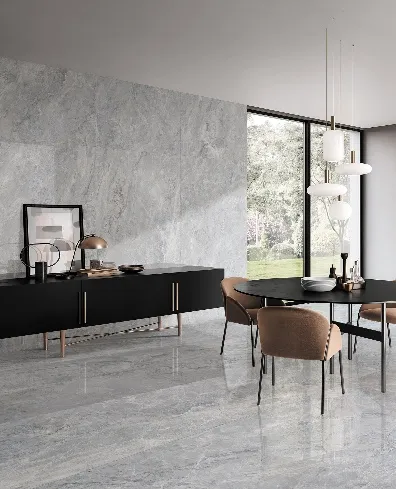
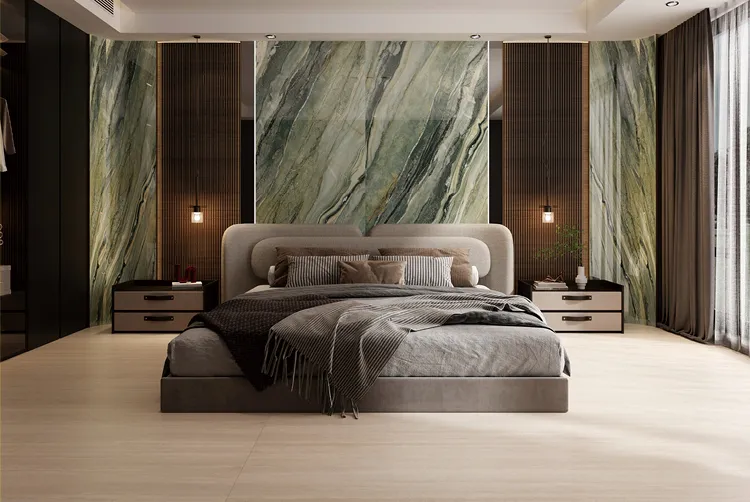
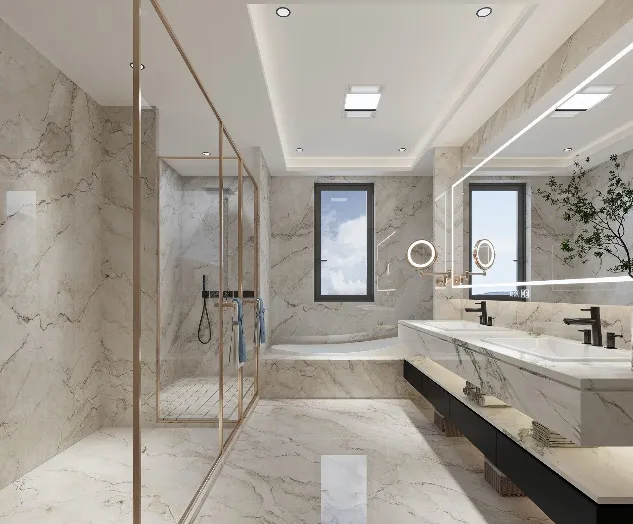
Architects and interior designers love porcelain slab tiles for their aesthetic flexibility. They can mimic natural stone, wood, concrete, or even marble, offering the look of luxury without the maintenance headaches. In residential projects, they're used for feature walls in living rooms, sleek backsplashes in kitchens, and durable shower walls. In commercial spaces—hospitals, hotels, malls, and offices—they shine as hygienic, easy-to-clean wall cladding that withstands heavy foot traffic and frequent cleaning. Simply put, porcelain slab tile for wall solutions have become the material of choice for projects that demand both beauty and resilience.
For years, many Saudi projects turned to international suppliers for porcelain slabs, drawn by the allure of global brands or lower upfront costs. But as the construction industry matures, developers are waking up to the hidden downsides of this approach. Let's break down the challenges:
Shipping Delays and Disruptions: International shipping is never guaranteed. From port congestion in Shanghai to Suez Canal bottlenecks or geopolitical tensions affecting trade routes, delays of 4–8 weeks (or more) are common. In a market where project timelines are tight—especially with government-backed initiatives like Vision 2030 imposing strict deadlines—a delayed tile shipment can throw off entire schedules, leading to increased labor costs, missed milestones, and even penalties.
Customs and Regulatory Hurdles: Importing building materials into Saudi Arabia involves navigating complex customs procedures, including documentation, tariffs, and compliance checks. A single missing certificate or mislabeled shipment can lead to weeks of detention at the port. International suppliers, unfamiliar with local regulations, may struggle to provide the necessary paperwork (like SASO certification or fire safety reports), leaving project managers to sort out the mess.
Lack of Local Support: Imagine installing a batch of imported porcelain slabs only to a defect—a crack, a color mismatch, or a warped edge. Reaching out to an overseas supplier for a replacement or refund often means long email chains, time zone delays, and a frustrating lack of accountability. By the time a resolution is reached, your project is already behind schedule.
Cultural and Design Misalignment: International suppliers may not fully grasp the nuances of Saudi design preferences. For example, local clients often prefer warmer tones, intricate patterns inspired by Islamic art, or tiles that complement traditional architecture. A supplier based in Europe or Asia might default to trends popular in their own market, resulting in walls that feel "off" to local tastes. This disconnect can turn a well-intentioned design into a missed opportunity to resonate with the community.
The challenges of international sourcing have paved the way for local suppliers to step up—and they're not just keeping up; they're outperforming. Here's why partnering with a local porcelain slab tile for wall supplier in Saudi Arabia makes sense:
Local suppliers eliminate the guesswork of international shipping. With warehouses in Saudi Arabia—often in key hubs like Riyadh, Jeddah, or Dammam—they can deliver materials in days, not months. No more waiting for containers to cross oceans or clearing customs. Need a last-minute order for a residential project in Khobar? A local supplier can have the tiles on-site within 48 hours. For commercial projects with tight deadlines—like a hotel opening before the Hajj season—this speed is invaluable. It's not just about delivery, either; local suppliers have established relationships with local transporters, ensuring that even large, fragile slabs arrive undamaged, saving you from costly replacements.
A local porcelain slab tile for wall supplier doesn't just sell tiles—they understand Saudi culture, climate, and design trends. They know that in residential projects, clients might want tiles that echo the warm hues of the desert or the intricate geometric patterns of traditional Najdi architecture. In commercial projects, they're familiar with the need for tiles that reflect the prestige of Saudi brands or the hospitality of local hotels. For example, a local supplier might offer a "sand dune" finish for a villa's exterior wall or a "mashrabiya-inspired" pattern for a mall's interior, ensuring the design feels authentic and resonant. International suppliers, by contrast, often offer generic designs that miss these cultural cues, leaving projects feeling disconnected from their surroundings.
Every project is unique, and a one-size-fits-all approach rarely works. Local suppliers excel at customization, offering tailored porcelain slab tile for wall solutions that meet your specific needs. Need a custom size to fit a curved wall in a luxury penthouse? A local supplier can adjust production runs to accommodate. Want a tile that matches the exact shade of a client's favorite marble? They can work with you to create a custom colorway. For commercial projects with strict branding guidelines—like a bank wanting tiles in its corporate blue—this flexibility is a game-changer. International suppliers, bound by large production minimums and rigid catalogs, often can't offer this level of personalization.
Saudi Arabia has strict building regulations, from fire safety codes to environmental standards. A local supplier knows these rules inside out. They ensure their porcelain slab tiles meet SASO (Saudi Standards, Metrology, and Quality Organization) requirements, are certified for fire resistance (critical for hospitals and schools), and comply with green building initiatives like LEED. This expertise saves you from the risk of using non-compliant materials, which can lead to project delays, fines, or even legal issues. International suppliers, unfamiliar with local regulations, may provide materials that look good on paper but fail local inspections—costing you time and money to fix.
The relationship with a supplier shouldn't end when the tiles are delivered. Local suppliers offer ongoing support that international companies can't match. If a tile arrives damaged, they'll replace it immediately. If your installer has questions about cutting or installing large slabs, their technical team is a phone call away. For commercial projects, they can even provide on-site training for installation crews to ensure the tiles are fitted correctly. This level of service is especially valuable for one-stop architectural solution providers, who can coordinate not just tiles but also flooring, ceilings, and other materials, streamlining communication and reducing the stress of managing multiple vendors.

| Factor | International Suppliers | Local Saudi Suppliers |
|---|---|---|
| Lead Time | 8–16 weeks (including shipping/customs) | 3–7 days (local delivery) |
| Cost | Lower upfront cost, but hidden fees (shipping, customs, delays) | Transparent pricing with no surprise fees |
| Design Alignment | Generic designs; may not reflect local tastes | Tailored to Saudi cultural and aesthetic preferences |
| Customization | Limited (high minimum orders, rigid catalogs) | Highly flexible (custom sizes, colors, finishes) |
| Compliance | Unfamiliar with local regulations; risk of non-compliance | Expert in SASO, fire safety, and green building standards |
| After-Sales Support | Delayed responses; time zone and language barriers | Immediate, on-the-ground support and technical assistance |
To illustrate the impact of choosing local, let's look at two case studies—one residential, one commercial—where a local porcelain slab tile for wall supplier made all the difference.
A developer was building a high-end villa in Riyadh's Diplomatic Quarter, with a vision for a feature wall in the living room that would mimic the look of rare Italian marble. The client wanted the wall completed before a family event in 6 weeks. An international supplier quoted a 12-week lead time, but a local residential building materials supplier stepped in. They offered a custom porcelain slab tile with a marble-look finish, produced locally to match the exact veining the client wanted. The tiles were delivered in 5 weeks, installed on time, and the client was thrilled with the result. "We couldn't have done it without the local supplier's speed and customization," the developer noted. "They understood exactly what we needed, and they delivered—literally."
A hospital in Jeddah needed to expand its pediatric wing, requiring wall tiles that were hygienic, easy to clean, and fire-resistant (Class A rating). The project had strict deadlines to accommodate growing patient numbers. A local commercial building materials supplier, who also offered class A fireproof solutions, provided porcelain slab tiles that met all safety standards. They also coordinated with their one-stop solution team to supply matching flooring and ceiling materials, reducing the need for multiple vendors. When the installer encountered a challenge with cutting the large slabs around medical equipment, the supplier's technical team arrived on-site within 24 hours to assist. The wing opened on schedule, and the hospital's facilities manager praised the supplier: "Their knowledge of local regulations and quick support made a stressful project manageable."
Many local porcelain slab tile for wall suppliers in Saudi Arabia are more than just tile vendors—they're one-stop architectural solution providers. This means they offer not just wall solutions but also flooring, ceilings, pipes, fittings, and even custom furniture. For developers and contractors, this is a game-changer. Instead of juggling 5–10 different suppliers for a single project, you can coordinate with one partner who understands your vision, timeline, and budget. Need porcelain slabs for walls, granite for flooring, and PVC pipes for plumbing? A one-stop provider can bundle these materials, negotiate better pricing, and ensure everything arrives in sync. This reduces administrative work, minimizes miscommunication, and keeps projects running smoothly—all while maintaining the same high standards of quality and support.
As Saudi Arabia's construction boom continues, the demand for reliable, high-quality building materials will only grow. Vision 2030 emphasizes local content and sustainability, making local suppliers not just a convenient choice but an aligned one. By choosing a local porcelain slab tile for wall supplier—especially one that offers residential and commercial solutions, and operates as a one-stop provider—you're not just getting materials; you're getting a partner invested in your project's success. You're supporting the local economy, reducing your project's carbon footprint (by cutting shipping emissions), and ensuring that your vision is brought to life with materials that are built for Saudi's climate, culture, and future.
So, the next time you're planning a project—whether a cozy home, a towering office building, or a state-of-the-art hospital—ask yourself: why go global when the best solutions are right here at home? Local porcelain slab tile for wall suppliers in Saudi Arabia aren't just keeping up with the boom; they're leading it. And that's a trend worth building on.
Recommend Products











