
Walk through the streets of Riyadh, Dubai, or Doha today, and you'll be met with a skyline that's constantly reaching higher. Cranes dot the horizon, construction sites hum with activity, and new residential towers, commercial complexes, and infrastructure projects seem to spring up overnight. The Middle East is in the midst of a building boom unlike any other—driven by visionary projects, growing populations, and a relentless pursuit of modernization. But behind every gleaming skyscraper, every state-of-the-art hospital, and every bustling shopping mall lies a critical, often overlooked component: the piping systems that keep water flowing, waste managed, and buildings functional. In this fast-paced, high-stakes environment, choosing the right materials isn't just a matter of cost—it's about reliability, durability, and ensuring that projects stand the test of time, even in the region's unforgiving climate. That's where PVC-U SCH40 pressure piping systems come into play, and why partnering with a trusted PVC-U SCH40 pressure piping system supplier can make all the difference between a project that thrives and one that faces costly delays or failures.
To understand why piping systems matter so much here, let's start with the scale of the construction boom. Countries like Saudi Arabia are investing billions in Vision 2030, a plan to diversify the economy and build futuristic cities like NEOM. The UAE continues to expand its commercial and tourism hubs, while Qatar, fresh off the World Cup, is focusing on legacy infrastructure. Even smaller nations like Oman and Bahrain are ramping up residential and industrial projects to meet growing demand. All of this activity means one thing: builders, engineers, and project managers are under immense pressure to deliver projects on time, within budget, and to the highest standards.
But the Middle East isn't just any construction market. It's a region with unique challenges. Take the climate, for example. Summer temperatures regularly soar above 45°C (113°F) in places like Riyadh and Dubai, putting stress on building materials. Coastal cities like Doha and Jeddah face high humidity and salt-laden air, which can corrode metal components over time. Then there's water scarcity—a pressing issue across the region. Efficient water management systems are non-negotiable, whether for residential water supply, irrigation, or industrial use. Add to that strict local regulations (like Saudi Arabia's SASO standards or the UAE's ESMA requirements) and the need for materials that can withstand both high pressure and heavy usage, and it's clear: not all piping systems are created equal.
For years, many projects relied on traditional materials like galvanized steel or copper pipes. While these have their merits, they often fall short in the Middle East. Steel, for instance, is prone to rust and corrosion, especially in humid or coastal areas, leading to leaks, reduced water pressure, and expensive repairs. Copper, while durable, is heavy, making installation labor-intensive and costly. And both materials can struggle with the region's temperature fluctuations, expanding and contracting in ways that weaken joints over time. It's no wonder, then, that engineers and contractors are increasingly turning to plastic piping solutions—and among these, PVC-U SCH40 has emerged as a standout choice.
First things first: what exactly is PVC-U SCH40? Let's break it down. PVC-U stands for Unplasticized Polyvinyl Chloride, a rigid, strong plastic known for its chemical resistance and durability. Unlike flexible PVC (which contains plasticizers), PVC-U is stiff and holds its shape, making it ideal for pressure applications. The "SCH40" refers to the pipe's schedule, a standard that indicates wall thickness and pressure rating. SCH40 is a common specification for medium-pressure applications, designed to handle higher internal pressures than thinner-walled pipes (like SCH20) but not as heavy-duty as SCH80, which is used for extreme pressure.
So, what makes this material so well-suited for the Middle East? Let's start with its core properties. PVC-U SCH40 pipes are lightweight—significantly lighter than steel or copper— which makes them easier to transport, handle, and install. For contractors working on tight schedules, this translates to faster installation times and lower labor costs. Imagine a team of workers hauling heavy steel pipes up the floors of a high-rise versus carrying lightweight PVC-U SCH40 sections; the difference in efficiency is stark.
Then there's corrosion resistance. PVC-U doesn't rust, corrode, or react with most chemicals, including the minerals often found in Middle Eastern water supplies. In coastal areas, where saltwater can eat away at metal pipes, this is a game-changer. A PVC-U SCH40 pressure piping system solution installed in a Jeddah apartment complex, for example, won't degrade from salt exposure, ensuring a longer lifespan and fewer leaks. Similarly, in industrial settings, where pipes might carry mild acids or alkalis, PVC-U SCH40 holds up where metal would fail.
Pressure resistance is another key advantage. As the name suggests, SCH40 is designed for pressure applications, with a working pressure rating that varies by pipe diameter but typically ranges from 100 psi to 450 psi (pounds per square inch) at room temperature. This makes it suitable for everything from residential water supply lines to commercial irrigation systems, where consistent water pressure is essential. And unlike some plastic pipes that soften in high heat, PVC-U maintains its structural integrity even in the Middle East's scorching summers, thanks to its high melting point and low thermal conductivity.
Let's dive deeper into why PVC-U SCH40 stands out in this region. For starters, cost-effectiveness. While the upfront cost of PVC-U SCH40 pipes might be comparable to or slightly lower than steel, the long-term savings are significant. Because they're lightweight, installation labor costs are reduced. Corrosion resistance means fewer repairs and replacements over time. And since PVC-U has a smooth inner surface, it minimizes friction, allowing water to flow more efficiently—lowering energy costs for pumps and reducing the risk of clogs. For a developer building a 500-unit residential complex in Riyadh, these savings can add up to hundreds of thousands of dollars over the building's lifetime.
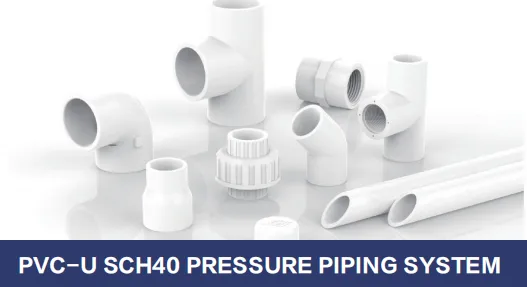
Another critical factor is versatility. PVC-U SCH40 pipes come in a wide range of diameters, from small ½-inch pipes for residential plumbing to large 24-inch pipes for industrial or municipal projects. They're compatible with various fittings—elbows, tees, valves, and couplings—many of which are made from the same PVC-U material, ensuring a tight, leak-proof seal when properly installed. This versatility makes them suitable for multiple applications within a single project: think water supply lines, drainage systems, irrigation, and even HVAC condensate lines. For a contractor managing a mixed-use development with residential, commercial, and retail spaces, using a single material across multiple systems simplifies logistics and reduces the risk of compatibility issues.
Perhaps most importantly, PVC-U SCH40 is a low-maintenance option. Unlike steel pipes, which may require periodic painting or coating to prevent corrosion, or copper, which can develop pinhole leaks over time, PVC-U pipes are "set it and forget it." Once installed correctly, they can last for 50 years or more with minimal upkeep. For building owners and facility managers, this means peace of mind. No unexpected shutdowns for pipe repairs, no emergency plumbing bills, and no disruptions to tenants or occupants. In a region where reliability is paramount—whether for a hospital in Doha or a luxury hotel in Dubai—this kind of durability is invaluable.
PVC-U SCH40 pressure piping systems aren't limited to one type of project—they're versatile enough to serve across residential, commercial, industrial, and even municipal applications. Let's take a closer look at how they're being used in some of the Middle East's most critical sectors.
Residential Construction: In fast-growing cities like Riyadh and Dubai, residential towers and villa complexes are popping up everywhere. For these projects, reliable water supply and waste management are top priorities. PVC-U SCH40 pipes are ideal for potable water lines, delivering clean water to kitchens and bathrooms without the risk of corrosion tainting the supply. They're also used for drainage systems, where their smooth inner walls prevent blockages from hair, soap scum, or food waste. Homeowners appreciate the quiet operation, too—unlike metal pipes, which can rattle or bang when water flows through them, PVC-U pipes muffle sound, creating a more peaceful living environment.
Commercial Buildings: From shopping malls and office towers to hospitals and schools, commercial projects demand piping systems that can handle heavy usage. A busy hospital in Kuwait, for example, needs consistent water pressure for everything from patient rooms to operating theaters. PVC-U SCH40's pressure rating makes it suitable for these high-demand scenarios. Schools and universities, which often have strict safety requirements, benefit from PVC-U's fire resistance (when properly installed with firestop materials) and low maintenance. Even hotels, where guest satisfaction depends on uninterrupted services, rely on PVC-U SCH40 pressure piping system solutions to ensure showers, sinks, and laundry facilities work flawlessly.
Industrial and Agricultural Projects: Beyond buildings, PVC-U SCH40 plays a role in industrial facilities, such as factories and warehouses, where it's used to transport non-corrosive fluids or as part of cooling systems. In agriculture, a sector vital to food security in the region, PVC-U pipes are used for irrigation, delivering water efficiently to crops in arid areas. Their resistance to UV radiation (when properly rated) makes them suitable for above-ground installation in sunny climates, and their durability ensures they can withstand the occasional rough handling on farms.
Municipal Infrastructure: Cities across the Middle East are investing in upgrading their water and wastewater networks. PVC-U SCH40 is often chosen for small to medium-diameter water distribution lines, as well as for sewer force mains (pipes that carry wastewater under pressure). Municipal engineers value its cost-effectiveness and long lifespan, which reduces the need for frequent excavations and repairs—minimizing disruption to city life.
To truly appreciate the value of PVC-U SCH40, it helps to see how it stacks up against other common piping materials used in the Middle East. Let's compare it to four alternatives: standard UPVC (SCH20), PPR (Polypropylene Random Copolymer), galvanized steel, and copper.
| Material | Pressure Rating (Typical) | Corrosion Resistance | Temp Resistance | Installation Cost | Estimated Lifespan | Best For |
|---|---|---|---|---|---|---|
| PVC-U SCH40 | 100-450 psi (varies by diameter) | Excellent (resists salt, chemicals) | Up to 60°C (140°F) | Low (lightweight, easy to install) | 50+ years | Residential/commercial water supply, drainage, irrigation |
| Standard UPVC (SCH20) | 50-200 psi | Excellent | Up to 60°C (140°F) | Low | 40-50 years | Low-pressure applications (e.g., rainwater harvesting) |
| PPR (Polypropylene) | 100-300 psi (varies by temp) | Good (resists most chemicals) | Up to 95°C (203°F) | Medium (requires heat fusion tools) | 50+ years | Hot water systems, industrial fluids |
| Galvanized Steel | 150-300 psi | Poor (prone to rust in humid/salty environments) | High (up to 120°C/248°F) | High (heavy, requires threading/cutting) | 20-30 years (in harsh environments) | Historic buildings, high-temperature industrial lines |
| Copper | 200-400 psi | Good (but can corrode in acidic water) | High (up to 200°C/392°F) | Very high (heavy, requires soldering) | 50+ years (with proper maintenance) | Luxury residential, high-end commercial (aesthetic preference) |
As the table shows, PVC-U SCH40 offers a sweet spot of pressure resistance, durability, and cost-effectiveness that's hard to beat for most Middle Eastern projects. While PPR handles higher temperatures and copper offers a premium look, neither can match PVC-U SCH40's combination of affordability, ease of installation, and resistance to the region's unique environmental challenges. Galvanized steel, once a staple, simply can't compete in terms of lifespan or maintenance costs in humid or coastal areas.
Of course, even the best material is only as good as the supplier behind it. In a region where project timelines are tight and standards are strict, partnering with a reliable PVC-U SCH40 pressure piping system supplier isn't just a convenience—it's a critical success factor. So, what should builders and engineers look for when choosing a supplier?
First and foremost, local expertise. A supplier based in the Middle East or with deep experience in the region understands the unique challenges: the climate, the regulations, and the needs of local contractors. For example, a Saudi Arabia building materials supplier specializing in PVC-U SCH40 will be familiar with SASO standards, ensuring that all products meet the country's safety and quality requirements. They'll also know how to adapt solutions to local conditions—like recommending UV-stabilized pipes for above-ground installation in sunny areas or thicker-wall options for high-pressure municipal projects.
Product quality is another non-negotiable. Not all PVC-U SCH40 pipes are manufactured to the same standards. Reputable suppliers use high-quality raw materials and adhere to strict manufacturing processes, resulting in pipes that are consistent in thickness, strength, and performance. They'll provide test reports, certifications, and warranties, giving project managers confidence that the materials will perform as promised. Avoid suppliers who cut corners—cheap, low-quality pipes may save money upfront but can lead to leaks, failures, and costly rework down the line.
Beyond just selling pipes, the best suppliers offer PVC-U SCH40 pressure piping system solutions —in other words, they're partners in the project. This might include technical support, such as helping engineers select the right pipe diameter and fittings for a specific application, or providing installation guides tailored to local conditions. Some suppliers even offer training for contractors, ensuring that pipes are installed correctly the first time. For large projects, they can also provide just-in-time delivery, reducing the need for on-site storage and minimizing the risk of damage to materials.
After-sales service is equally important. Even with the best planning, issues can arise during installation or after project completion. A reliable supplier will stand behind their products, offering responsive customer support and assistance with troubleshooting. Whether it's a question about fitting compatibility or a concern about a pipe's performance, knowing you can reach out to a knowledgeable team for help provides peace of mind that's invaluable in the high-pressure world of Middle East construction.
To put this in perspective, let's look at a hypothetical but realistic example: the Al-Murjan Residential Complex, a 20-building development in Riyadh with over 1,000 apartments. The project's contractor initially planned to use galvanized steel pipes for the water supply system, citing familiarity with the material. However, during the planning phase, concerns arose about corrosion—Riyadh's high humidity in summer and occasional sandstorms can accelerate rust, leading to potential leaks within 10-15 years. The team also worried about installation time: steel pipes would require heavy lifting equipment and specialized labor, which could delay the project.
After consulting with a local PVC-U SCH40 pressure piping system supplier , the contractor decided to switch to PVC-U SCH40. The supplier provided technical data showing that the pipes could handle the complex's water pressure requirements and offered a 50-year warranty. They also with selecting the right fittings and provided on-site training for the installation crew. The result? Installation was completed 30% faster than planned, saving on labor costs. Five years later, the complex's maintenance team reports zero leaks or corrosion issues, and residents praise the consistent water pressure. For the developer, the switch not only saved money upfront but also reduced long-term maintenance liabilities—proof that choosing the right material and supplier pays off.
Even with high-quality materials, proper installation is key to ensuring PVC-U SCH40 systems perform as expected. Here are some best practices that contractors and installers should keep in mind, especially in the Middle East:
Storage and Handling: PVC-U pipes are durable, but they can be damaged if mishandled. Store pipes horizontally on flat racks to prevent warping, and keep them away from direct sunlight for extended periods (unless they're UV-stabilized). In hot weather, avoid leaving pipes in unventilated trucks or storage areas, as extreme heat can soften the material temporarily.
Cutting and Preparation: Use sharp, fine-toothed saws or pipe cutters to ensure clean, square cuts. Rough edges can weaken joints, so deburr the inside and outside of the pipe after cutting. For solvent cement joints (the most common method for PVC-U), follow the supplier's instructions for cleaning the pipe and fitting surfaces—any dirt, oil, or moisture can compromise the bond. Apply cement evenly and twist the fitting slightly as you insert the pipe to ensure full coverage.
Pressure Testing: After installation, always pressure-test the system before putting it into service. This helps identify leaks or weak joints early, before they cause problems. In the Middle East, where water is precious, a single undetected leak can lead to significant water waste and higher utility bills for building owners.
Maintenance: While PVC-U SCH40 requires minimal maintenance, regular inspections are still a good idea. Check for signs of damage (like cracks or dents) and ensure supports are secure, especially in areas prone to vibration. For above-ground pipes, consider insulating them if they carry hot water, as extreme temperature fluctuations can affect performance over time.
As the Middle East moves toward more sustainable, future-ready infrastructure, PVC-U SCH40 is poised to play an even bigger role. One key trend is the focus on water conservation. With many countries in the region relying heavily on desalination, efficient water distribution systems are critical. PVC-U's smooth inner surface reduces friction, allowing water to flow with less energy, which lowers pumping costs and reduces carbon footprints. Additionally, its long lifespan means fewer replacements, reducing the environmental impact of manufacturing and disposal.
Another trend is the rise of smart infrastructure. While PVC-U itself isn't "smart," it can be integrated with smart monitoring systems, such as sensors that detect leaks or pressure drops in real time. This technology, combined with PVC-U's durability, creates a system that's not only reliable but also efficient and easy to manage. Imagine a municipal water network in Dubai where leaks are detected and repaired before residents even notice a drop in pressure—all thanks to smart sensors paired with robust PVC-U pipes.
Sustainability in manufacturing is also gaining traction. Many suppliers are now using recycled materials in their PVC-U production, reducing reliance on virgin plastics. They're also improving energy efficiency in manufacturing processes, further lowering the environmental impact of the material. For developers aiming to achieve green building certifications (like LEED or Estidama in the UAE), choosing eco-friendly piping solutions can contribute to those goals.
In the fast-paced, high-stakes world of Middle East construction, every component matters. Piping systems may not be the most visible part of a project, but they're the lifelines that keep buildings functional, efficient, and safe. For contractors, engineers, and developers looking to deliver projects that stand the test of time—even in the region's harsh climate—PVC-U SCH40 pressure piping systems offer an unbeatable combination of durability, cost-effectiveness, and versatility.
But success starts with choosing the right partner. A trusted PVC-U SCH40 pressure piping system supplier doesn't just sell pipes—they provide solutions tailored to the Middle East's unique challenges. They bring local expertise, high-quality products, and ongoing support, ensuring that projects run smoothly from planning to completion and beyond. Whether you're building a residential tower in Riyadh, a hospital in Doha, or a municipal water network in Dubai, investing in reliable piping materials and a strong supplier relationship is an investment in the future.
As the Middle East continues to build, grow, and innovate, the role of PVC-U SCH40 will only become more important. It's a material that meets the region's needs today while adapting to the trends of tomorrow—sustainability, efficiency, and resilience. So, the next time you walk past a construction site in this dynamic region, take a moment to appreciate the hidden infrastructure that makes it all possible. Behind every crane, every beam, and every wall, there's a network of pipes working quietly, reliably, and efficiently—powered by PVC-U SCH40 and the suppliers who bring it to life.
Recommend Products












