
Walk through the streets of Riyadh, Dubai, or Doha today, and you'll be met with a symphony of cranes, the hum of bulldozers, and the promise of skylines reimagined. The Middle East is in the throes of a construction boom unlike any other—one driven by ambitious visions, rapid urbanization, and a relentless pursuit of innovation. From Saudi Arabia's $500 billion NEOM project, a futuristic city-state in the desert, to Qatar's post-2022 World Cup infrastructure legacy, and the UAE's ongoing push to become a global hub for commerce and tourism, the region is building at a pace that's turning heads worldwide.
But this boom isn't just about skyscrapers and stadiums. It's about creating livable cities, sustainable communities, and world-class facilities that cater to a growing population. By 2030, the Middle East's urban population is projected to surge by 30%, with millions moving into new residential complexes, working in state-of-the-art offices, and seeking care in cutting-edge hospitals. Behind every one of these structures—every home, school, hospital, and mall—lies a complex web of building materials that make modern living possible. And among these, one component often flies under the radar but is absolutely critical: the systems that keep water flowing, waste managed, and infrastructure functional. That's where plastic valve systems come into play.
Imagine a world where the faucet in your kitchen doesn't work, where the pipes in your apartment leak constantly, or where a hospital can't rely on a steady supply of clean water. None of us would want to live there. Yet, these scenarios are all too real in regions where building materials are subpar or outdated. In the Middle East, where construction projects are not just buildings but symbols of progress, the quality of materials used is non-negotiable.
From the walls that protect us to the floors we walk on, and the pipes that carry water to our homes, every material plays a role in ensuring safety, durability, and efficiency. For instance, class A fireproof CPL inorganic boards are becoming a staple in hospitals and schools across the region, offering unmatched fire resistance to protect lives. Similarly, bamboo charcoal board wall panels are gaining popularity for their eco-friendly properties and ability to improve indoor air quality. But when it comes to the invisible infrastructure—the systems that keep our daily lives running smoothly—plastic valve systems and their complementary pipes are the unsung heroes.
Think about it: A residential tower with 500 units needs a plumbing system that can handle hundreds of gallons of water daily without corrosion or leaks. A commercial mall with thousands of visitors requires waste management systems that are efficient and low-maintenance. A hospital, where hygiene is paramount, can't afford a single pipe failure that could compromise patient care. In all these cases, plastic valve systems and pipes—like UPVC, PPR, and PE—are emerging as the go-to choice for builders and engineers. Why? Because they offer a unique blend of durability, cost-effectiveness, and adaptability that traditional materials like metal simply can't match.
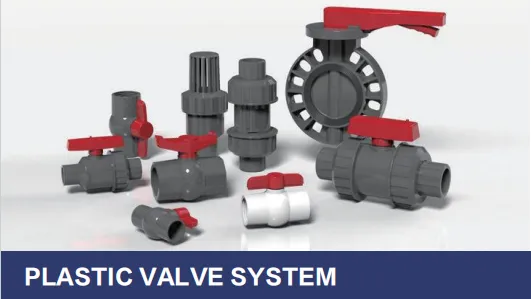
Let's start with the basics: What exactly are plastic valve systems? At their core, they're a network of valves, pipes, and fittings made from high-quality plastic materials designed to control the flow of liquids and gases in residential, commercial, and industrial settings. But to reduce them to just "pipes and valves" is to miss their true impact. These systems are the circulatory system of any building—quietly working 24/7 to ensure water reaches where it's needed, waste is carried away safely, and resources are used efficiently.
In the Middle East, where the climate can be harsh—scorching temperatures, high humidity, and even saline air in coastal areas—plastic valve systems offer distinct advantages over traditional metal options. For starters, plastic is naturally resistant to corrosion. Unlike metal pipes, which can rust or degrade over time when exposed to water or chemicals, plastic valves and pipes maintain their integrity for decades. This is a game-changer in regions like Saudi Arabia, where water scarcity means every drop counts, and leaks can't be tolerated.
Then there's the cost factor. Plastic valve systems are often more affordable to produce, transport, and install than metal alternatives. Their lightweight nature makes them easier to handle on construction sites, reducing labor costs and installation time. For mega-projects with tight deadlines—like NEOM, which aims to have its first phase completed by 2025—these savings add up quickly. And let's not forget maintenance: plastic systems require far less upkeep than metal ones, which often need regular painting or repairs to prevent corrosion. In a region where long-term sustainability is a priority, this translates to lower lifecycle costs and less environmental impact.
But perhaps the biggest selling point is versatility. Plastic valve systems come in a range of materials, each tailored to specific needs. UPVC (unplasticized polyvinyl chloride) pipes, for example, are ideal for cold water supply and drainage systems, thanks to their rigidity and chemical resistance. PPR (polypropylene random copolymer) pipes, on the other hand, are perfect for hot water applications, as they can withstand high temperatures without warping. And when paired with high-quality plastic valve systems , these pipes become part of a solution that's reliable, safe, and built to last.
The Middle East's construction boom isn't just driving demand for any building materials—it's driving demand for the right materials. Governments and developers are no longer willing to cut corners; they want solutions that meet international standards, adhere to strict safety regulations, and align with sustainability goals. This shift is creating a massive opportunity for plastic valve system suppliers and providers of complementary solutions like UPVC and PPR pipes.
Let's break down the key drivers of demand:
1. Urbanization and Population Growth: Countries like Saudi Arabia and the UAE are experiencing rapid population growth, with young families moving to cities in search of better opportunities. This is fueling a surge in residential construction—from affordable housing projects to luxury villas. Each of these homes needs a reliable plumbing system, and plastic valve systems are increasingly the first choice for developers looking to balance quality and cost.
2. Mega-Projects and Infrastructure Development: From NEOM to Dubai's Expo 2020 District, mega-projects are reshaping the region's landscape. These projects require infrastructure on a massive scale—water supply networks, sewage systems, and industrial pipelines. Plastic valve systems, with their scalability and durability, are well-suited to meet these demands. For example, NEOM's "The Line" city, which will house 9 million people, will need a plumbing network that can handle millions of gallons of water daily. Plastic valves and pipes will be critical to making that a reality.
3. Focus on Sustainability: The Middle East is increasingly prioritizing sustainability. Governments are setting ambitious targets to reduce carbon footprints, and developers are seeking eco-friendly materials. Plastic valve systems align with these goals in several ways: they're often made from recyclable materials, require less energy to produce than metal, and their long lifespan means fewer replacements (and less waste) over time. Additionally, their leak-resistant design helps conserve water—a precious resource in arid regions.
4. Strict Regulatory Standards: As the region's construction industry matures, so do its regulations. Bodies like the Saudi Standards, Metrology and Quality Organization (SASO) and the Emirates Authority for Standardization and Metrology (ESMA) have implemented strict guidelines for building materials, including plumbing systems. Plastic valve system solutions that meet these standards—such as those certified for potable water use or fire safety—are in high demand, as developers look to avoid delays and ensure compliance.
To truly understand the appeal of plastic valve systems, it helps to compare them with the materials they're replacing. For decades, metal—like copper or galvanized steel—was the go-to for pipes and valves. While metal has its merits, it's increasingly clear that plastic offers a better overall package for modern construction. Let's take a closer look:
| Feature | Plastic Valve Systems (UPVC, PPR, etc.) | Traditional Metal Systems (Copper, Steel) |
|---|---|---|
| Corrosion Resistance | Excellent—resistant to water, chemicals, and saline air | Poor—prone to rust and degradation over time |
| Installation Cost | Lower—lightweight, easy to cut and join; reduces labor time | Higher—heavy, requires specialized tools and skilled labor |
| Maintenance | Minimal—no need for painting or anti-corrosion treatments | High—regular inspections and repairs needed to prevent leaks |
| Durability | Long lifespan (20–50 years) with proper installation | Shorter lifespan (15–30 years) due to corrosion |
| Thermal Insulation | Good—reduces heat loss in hot water systems | Poor—requires additional insulation to prevent heat loss |
| Sustainability | Recyclable, lower carbon footprint in production | Energy-intensive to produce; heavier transport increases emissions |
As the table shows, plastic valve systems outperform traditional metal systems in key areas that matter most to developers, engineers, and homeowners in the Middle East. From reducing long-term costs to ensuring reliability in harsh climates, plastic is quickly becoming the material of choice for forward-thinking construction projects.
Plastic valve systems aren't a one-size-fits-all solution—they're versatile enough to meet the unique needs of diverse sectors. Let's explore how they're making an impact in some of the Middle East's most critical construction areas:
Residential Construction: In new housing developments across Saudi Arabia, the UAE, and Bahrain, plastic valve systems are the backbone of home plumbing. From supplying clean water to kitchens and bathrooms to managing waste through drainage systems, UPVC pipes and plastic valves ensure that families have reliable, leak-free plumbing. For example, UPVC DWV (Drainage, Waste, and Vent) pipes are widely used in residential buildings for their ability to handle wastewater efficiently without clogging or corrosion. Homeowners benefit from lower utility bills (thanks to reduced leaks) and peace of mind knowing their plumbing will last for decades.
Commercial Buildings: Malls, office towers, and hotels demand plumbing systems that can handle high volumes of water and traffic. PPR pipes and plastic valves are ideal here, as they can withstand the pressure of constant use and are easy to maintain. Imagine a busy hotel in Dubai with 500 rooms—each with showers, sinks, and toilets. The plumbing system must deliver water consistently, even during peak hours. Plastic valve systems ensure that guests never have to worry about low water pressure or unexpected leaks, enhancing their experience and the hotel's reputation.
Hospitals and Schools: In facilities where safety and hygiene are non-negotiable, plastic valve systems shine. Hospitals require plumbing that's easy to clean and resistant to bacteria growth—qualities that plastic pipes and valves naturally possess. Similarly, schools need durable, low-maintenance systems that can withstand the wear and tear of daily use by hundreds of students. When paired with class A fireproof CPL inorganic boards (which provide fire safety), plastic valve systems create environments that prioritize both safety and functionality.
Industrial Projects: From manufacturing plants to oil and gas facilities, industrial sites have unique plumbing needs—often involving chemicals or high-temperature fluids. Here, specialized plastic valve systems, like those made from CPVC (chlorinated polyvinyl chloride), are used for their resistance to heat and chemicals. For example, CPVC Sch80 high-pressure piping systems are trusted in industrial settings to transport corrosive liquids safely and efficiently.
In a market as competitive as the Middle East, being a plastic valve system supplier isn't just about selling products—it's about delivering end-to-end solutions. Developers and contractors don't want to piece together components from multiple vendors; they want partners who can provide a complete package, from design and consultation to installation support and after-sales service.
Leading suppliers in the region understand this. They offer not just plastic valve systems but a range of complementary products, including UPVC pipes, PPR pipes and fittings, and PE pipes, ensuring that clients can source all their plumbing needs from a single, reliable provider. This integrated approach saves time, reduces costs, and ensures compatibility between components—critical for avoiding leaks or system failures down the line.
For example, a PPR pipe and fitting supplier might work closely with a plastic valve system supplier to create a custom plumbing solution for a hospital, ensuring that the pipes and valves are designed to work together seamlessly. This collaboration extends to technical support, with suppliers offering on-site training for installers and engineers to ensure proper setup. In a region where construction timelines are tight, this level of support can make all the difference between a project finishing on time and on budget, or facing costly delays.
The future for plastic valve systems in the Middle East looks brighter than ever. With governments doubling down on construction and infrastructure spending, and developers increasingly prioritizing quality and sustainability, the demand for these systems is set to soar. Here are a few trends that will shape the market in the coming years:
Government Initiatives: Saudi Arabia's Vision 2030, the UAE's National Infrastructure Plan, and Qatar's National Vision 2030 all include massive investments in construction and infrastructure. These initiatives will drive demand for building materials, including plastic valve systems, for decades to come. For example, Saudi Arabia's plan to build 1.5 million new homes by 2030 will require billions of dollars' worth of plumbing materials—creating a huge opportunity for suppliers.
Sustainability and Innovation: As the world shifts toward greener construction practices, plastic valve system suppliers are innovating to meet demand. We're seeing the development of recycled plastic pipes, energy-efficient production processes, and smart valves equipped with IoT sensors that monitor water flow and detect leaks in real time. These innovations not only align with the Middle East's sustainability goals but also offer new revenue streams for forward-thinking suppliers.
Focus on Water Conservation: Water scarcity is a pressing issue in the Middle East, and governments are implementing strict regulations to reduce waste. Plastic valve systems, with their leak-resistant design and efficient flow control, will play a key role in conserving water. For example, smart plastic valves can automatically shut off water when leaks are detected, preventing thousands of gallons of water from being wasted annually. This not only helps the environment but also reduces costs for homeowners and businesses.
Regional Manufacturing: To meet growing demand, more suppliers are setting up manufacturing facilities in the Middle East, reducing reliance on imports and lowering costs. This trend is creating jobs, boosting local economies, and ensuring a steady supply of high-quality plastic valve systems for regional projects.
The Middle East's construction boom is more than a momentary surge—it's a transformative movement that will shape the region for generations. At the heart of this transformation are the building materials that turn blueprints into reality, and plastic valve systems are emerging as a critical component of this journey. With their durability, cost-effectiveness, and sustainability, they're not just meeting the demands of today's projects—they're laying the foundation for a more resilient, efficient, and livable future.
For plastic valve system suppliers , UPVC pipe suppliers , and providers of complementary solutions, the message is clear: the time to invest in the Middle East is now. By offering innovative, high-quality products that align with regional needs—from residential plumbing to industrial infrastructure—suppliers can position themselves as trusted partners in the region's growth story.
As the cranes continue to rise and new cities take shape, let's not forget the quiet heroes beneath the surface: the plastic valve systems that keep water flowing, communities thriving, and progress moving forward. In the Middle East's construction boom, they're not just part of the solution—they're part of the legacy.
Recommend Products












