

In the heart of the Arabian Peninsula, Saudi Arabia stands as a nation of contrasts—where ancient deserts meet futuristic cities, and where the harshness of nature collides with the ambition of human innovation. For anyone involved in building here, from architects to developers, one reality looms large: the climate is unforgiving. Summer temperatures soar past 45°C (113°F), UV radiation beats down with relentless intensity, sandstorms scour surfaces like sandpaper, and coastal cities like Jeddah and Dammam grapple with humidity that can accelerate decay. In such an environment, the choice of building materials isn't just about aesthetics or cost—it's about survival. Exterior cladding, in particular, acts as a building's first line of defense, shielding it from the elements while shaping its identity. Today, we explore why PU stone wall panel solutions are emerging as a game-changer for Saudi Arabian projects, offering a blend of durability, efficiency, and beauty that traditional materials struggle to match.
To understand the need for innovative exterior solutions, we must first grasp the full scope of Saudi Arabia's climatic hurdles. Let's break it down:
Extreme Heat & UV Radiation: In Riyadh, summer days regularly hit 45°C, with surface temperatures on dark-colored materials spiking to 70°C or more. This isn't just uncomfortable—it's destructive. Traditional materials like concrete expand and contract with temperature swings, leading to cracks. Natural stone, while durable, absorbs heat, turning buildings into ovens and driving up cooling costs. Meanwhile, UV rays fade paint, degrade plastics, and weaken the structural integrity of organic materials over time.
Sandstorms & Abrasion: The country's iconic sandstorms aren't just dramatic weather events; they're slow-motion erosion machines. Blowing sand, often mixed with grit, scours exterior surfaces, stripping away protective coatings, dulling finishes, and even etching glass. Materials that lack impact resistance can develop chips or scratches, which then become entry points for moisture and further damage.
Coastal Humidity & Corrosion: Along the Red Sea and Persian Gulf coasts, humidity levels can reach 85% in summer. Combine that with salt-laden air, and you have a recipe for corrosion—especially for metal fixtures and even some stone materials. Humidity also encourages mold and mildew growth, which can discolor surfaces and compromise indoor air quality if left unchecked.
For decades, builders here relied on "tried-and-true" options: natural stone, concrete, or ceramic tiles. But natural stone is heavy, porous, and prone to heat absorption; concrete cracks under thermal stress; and tiles can loosen or fade. What Saudi Arabia needs is a material that can laugh off the heat, shrug off sandstorms, resist UV damage, and keep buildings cool—all while looking good. Enter PU stone wall panels .
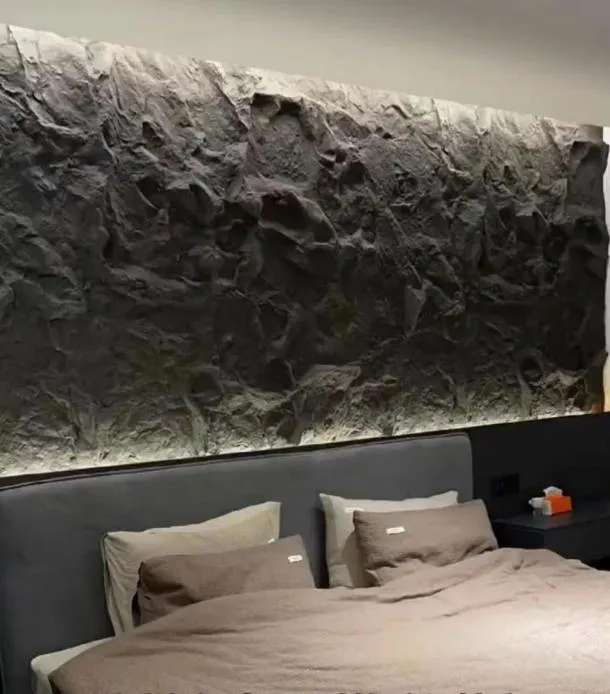
PU stone wall panels—short for polyurethane stone wall panels—are a marvel of modern material science. Imagine taking the aesthetic appeal of natural stone—its texture, depth, and organic charm—and reimagining it with the durability of engineered materials. That's exactly what these panels offer. At their core, they're composed of a high-density polyurethane foam matrix, reinforced with fiberglass for strength, and blended with mineral aggregates to mimic the look and feel of real stone. The outer layer is treated with a UV-stabilized coating that locks in color and resists weathering, while the inner foam provides insulation and structural support.
For saudi arabia building materials supplier networks, these panels represent more than just a product—they're a solution tailored to local needs. Unlike generic imports, leading suppliers in the region often offer customization options, from color matching to texture replication, ensuring that panels align with Saudi Arabia's diverse architectural styles, whether it's the sleek minimalism of Riyadh's skyscrapers or the traditional Najdi motifs of heritage-inspired projects.
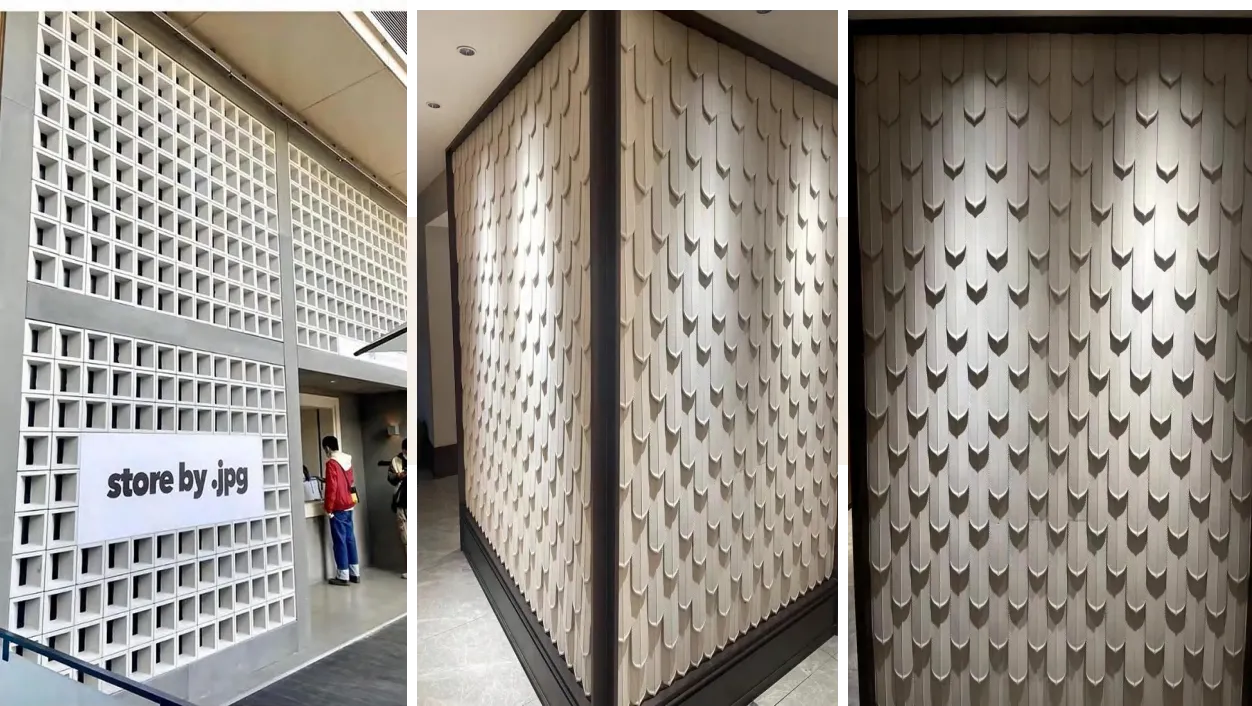
Let's dive into the specifics of why these panels are so well-suited to Saudi Arabia's unique challenges. We'll focus on five critical benefits that set them apart from traditional cladding materials.
In Saudi Arabia, cooling accounts for up to 70% of a commercial building's energy consumption. Any material that reduces heat transfer can slash utility bills and reduce carbon footprints. PU stone panels excel here thanks to their closed-cell foam structure, which acts as a thermal barrier. Unlike natural stone, which conducts heat like a radiator, PU foam traps air, slowing the flow of heat from the scorching exterior to the interior. Tests show that buildings clad in PU panels can reduce heat gain by up to 40% compared to those with traditional stone or concrete cladding. For a 10-story office building in Riyadh, that could translate to annual savings of tens of thousands of riyals on air conditioning alone.
Saudi Arabia's sun is not just bright—it's aggressive. UV radiation here is so intense that it can fade car paint in a matter of months and turn plastic brittle. PU stone panels, however, are engineered to stand up to this onslaught. Their outer coating contains UV stabilizers that absorb or reflect harmful rays, preventing the color from fading or the surface from chalking (a common issue with cheap plastics). What's more, the panels are tested to withstand temperature extremes from -30°C to 80°C (-22°F to 176°F)—far beyond anything Saudi Arabia's climate can throw at them. Even after years of exposure, they retain their vibrancy and structural integrity, avoiding the cracking, peeling, or warping that plague lesser materials.
Natural stone is heavy—so heavy, in fact, that it requires reinforced structural support, specialized lifting equipment, and a team of skilled masons to install. A square meter of granite, for example, can weigh 25-30 kg; in contrast, a PU stone panel of the same size weighs just 5-8 kg. That 70-80% weight reduction is a game-changer. It means easier transportation (fewer trucks, lower fuel costs), faster installation (no need for heavy machinery), and reduced structural load on buildings. For retrofitting older structures, which may not have been designed to support heavy cladding, this is a lifesaver. It also cuts down on labor time: a crew can install PU panels up to 3x faster than natural stone, reducing project timelines and labor costs.
Ask any resident of Riyadh or Riyadh about sandstorms, and they'll recount stories of days when the sky turns orange and the wind howls like a beast. These storms carry sand grains and small pebbles at speeds of up to 60 km/h (37 mph), which can pit paint, chip stone, and even crack glass. PU stone panels, with their fiberglass reinforcement and flexible foam core, are surprisingly tough. The foam absorbs impact, while the outer mineral layer resists abrasion. In lab tests, panels have withstood simulated sandstorm conditions for hundreds of hours with minimal visible damage—no chips, no scratches, just the same smooth finish as day one. This durability means less maintenance, fewer repairs, and a building that looks newer for longer.
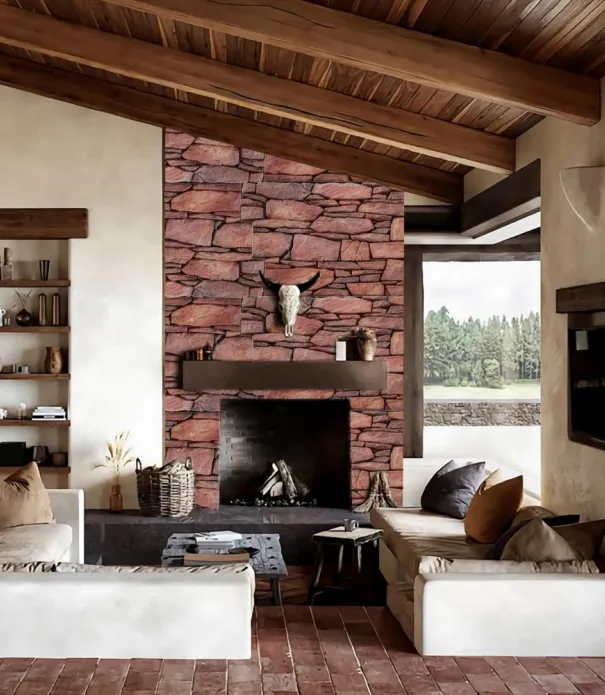
In a country where architecture is a statement of progress—think of NEOM's futuristic designs or the Kingdom Tower's soaring height—appearance matters. PU stone panels don't just perform; they impress. Using advanced molding techniques, manufacturers can replicate the look of virtually any natural stone: the veining of marble, the granular texture of granite, the warmth of sandstone, or the ruggedness of limestone. Unlike natural stone, which varies widely in color and pattern, PU panels offer consistency—no more mismatched batches or unexpected flaws. For exterior decoration materials that need to align with local culture, suppliers can even create custom textures inspired by traditional Saudi motifs, such as the geometric patterns of Najdi architecture or the smooth lines of modern Gulf design. The result? A building that looks timeless yet resilient, elegant yet ready to face the desert's wrath.
To truly appreciate the value of PU stone panels, let's compare them side-by-side with three common alternatives: natural stone, concrete cladding, and fiber cement boards. The table below highlights key factors for Saudi Arabian projects:
| Feature | PU Stone Wall Panels | Natural Stone (Granite/Limestone) | Concrete Cladding | Fiber Cement Boards |
|---|---|---|---|---|
| Weight (kg/m²) | 5-8 | 25-30 | 15-20 | 12-15 |
| Thermal Insulation (R-value) | High (2.0-3.0 m²·K/W) | Low (0.1-0.3 m²·K/W) | Low (0.2-0.4 m²·K/W) | Moderate (0.5-0.8 m²·K/W) |
| UV Resistance | Excellent (UV-stabilized coating) | Good (fades over time) | Poor (chalks, cracks) | Moderate (may fade after 5-7 years) |
| Sandstorm Impact Resistance | High (flexible core absorbs impact) | Moderate (prone to chipping) | Low (brittle, cracks easily) | Moderate (can dent, delaminate) |
| Installation Time | Fast (lightweight, easy to cut) | Slow (heavy, requires skilled labor) | Moderate (heavy, requires curing time) | Moderate (brittle, requires careful handling) |
| Maintenance Needs | Low (occasional washing) | High (sealing every 2-3 years) | Moderate (repainting every 5 years) | Moderate (repainting every 3-4 years) |
| Cost (Material + Installation) | Moderate ($40-60/m²) | High ($80-120/m²) | Low ($20-30/m²) | Moderate ($30-50/m²) |
| Lifespan (in Saudi Climate) | 20+ years | 15-20 years (with heavy maintenance) | 10-15 years (prone to cracking) | 10-12 years (delamination risk) |
The data speaks for itself: PU stone panels outperform traditional materials in nearly every category that matters for Saudi Arabia. They're lighter than all alternatives, offer superior insulation, resist UV and sandstorms better, and require minimal maintenance—all at a cost that's competitive with fiber cement and far lower than natural stone when factoring in long-term savings.
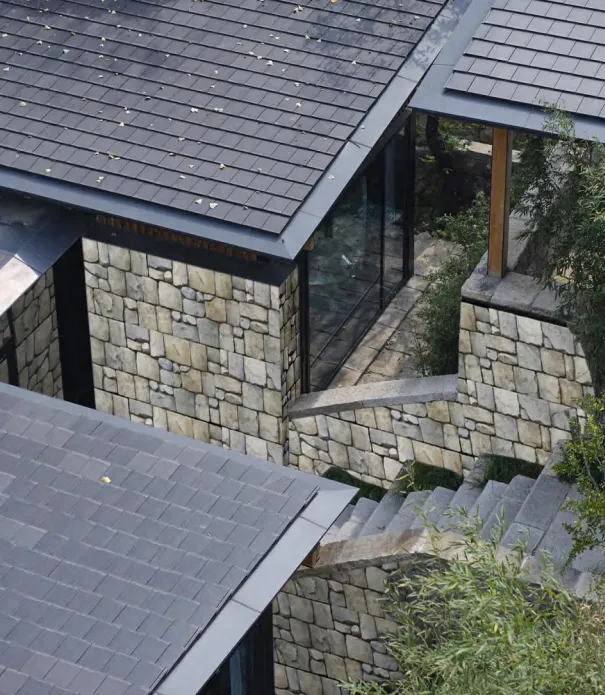
PU stone wall panels aren't just a theoretical solution—they're already making their mark on Saudi Arabia's built environment. Let's explore two real-world applications where they've shined:
In northern Riyadh, a developer set out to create a gated community of luxury villas that blended traditional Saudi design with modern comfort. The challenge? Making the villas energy-efficient enough to keep cooling costs manageable, while ensuring the exteriors looked like they were carved from local sandstone. Enter a local pu stone wall panel supplier , who provided custom panels mimicking the region's iconic golden sandstone. The result? Villas that stay 5-7°C cooler than neighboring homes with concrete exteriors, cutting AC bills by 30%. Homeowners report no fading or damage after three years of summer heat and sandstorms, and the consistent stone texture has become a selling point for the community.
Jeddah's coastal location brings humidity and salt air, which can be brutal on metal and concrete. When building the Azure Tower, a 15-story office complex, the architects needed a cladding solution that could withstand these conditions while projecting a sleek, contemporary image. They chose PU stone panels in a light gray, granite-like finish. The panels' resistance to corrosion and humidity has kept the building's exterior looking new after four years, and the lightweight design reduced the structural load, allowing for a more open floor plan. Tenants praise the consistent indoor temperatures, even during summer heatwaves, and the building's energy bills are 25% lower than similar-sized towers in the area.
Not all PU stone panels are created equal, and in Saudi Arabia's demanding market, choosing the right supplier is as important as choosing the material itself. Here are key factors to consider:
Local Expertise: A saudi arabia building materials supplier who understands local climate conditions will offer panels tested specifically for Saudi heat, UV levels, and sandstorm intensity. They'll also be familiar with local building codes, such as the Saudi Building Code (SBC), ensuring compliance.
Customization Capabilities: Whether you need panels that mimic a rare Swiss stone or traditional Najdi patterns, look for suppliers with in-house design and molding capabilities. The best suppliers can create samples within weeks, ensuring the final product matches your vision.
Quality Certifications: Look for panels certified by international standards, such as ISO 9001 (quality management) and ISO 14001 (environmental management). For coastal projects, check for salt-spray resistance certifications (ASTM B117). Fire safety is also critical—opt for panels with Class A fire ratings if required by local codes.
After-Sales Support: Even the best materials need proper installation. Choose suppliers who offer training for installers, detailed guidelines, and a warranty (ideally 10+ years) covering fading, cracking, or delamination.
Saudi Arabia's building boom shows no signs of slowing down. From NEOM's futuristic cities to Riyadh's expanding skyline, the nation is building for a future where innovation and sustainability go hand in hand. In this context, PU stone wall panel solutions aren't just a trend—they're a necessity. They embody the kind of forward-thinking that defines Saudi Arabia today: respecting the past (by mimicking natural stone) while embracing the future (through engineered durability and efficiency).
For developers and architects, the message is clear: to build in Saudi Arabia, you need materials that can outlast the desert sun, outsmart the sandstorms, and outperform traditional options. PU stone panels do all that—and they look good doing it. They're a testament to the idea that in construction, as in life, the strongest solutions aren't always the toughest on the outside—sometimes, they're the ones that combine strength with smarts.
As we look ahead, one thing is certain: the buildings of Saudi Arabia's future will need to be resilient, efficient, and beautiful. With PU stone wall panels, we're one step closer to making that future a reality.
Recommend Products











