
Take a drive along the Sheikh Zayed Road in Dubai, and you'll see a skyline that's more than just a collection of buildings—it's a testament to ambition. From the towering Burj Khalifa to the sprawling Expo City, the Middle East is in the midst of a construction boom unlike any other. Cities like Riyadh, Doha, and Kuwait City are racing to expand, with residential complexes, commercial hubs, hospitals, and schools popping up at a dizzying pace. But behind every crane and every foundation lies a critical question: What materials will ensure these structures stand the test of time, especially in a region known for its harsh climate and unforgiving conditions?
For developers, architects, and contractors, the answer increasingly points to one solution: UPVC pipes. As a staple in modern construction, UPVC (unplasticized polyvinyl chloride) pipes have become indispensable, and for good reason. In this article, we'll explore why UPVC pipe solutions are in such high demand across Middle East building projects, and how partnering with the right UPVC pipe supplier can make all the difference in delivering successful, sustainable, and cost-effective builds.
Building in the Middle East isn't for the faint of heart. The region's climate alone presents a unique set of challenges: scorching temperatures that can exceed 50°C (122°F) in summer, relentless UV radiation, sandstorms that batter exteriors, and, in coastal areas like Dubai and Doha, high humidity and salt-laden air. Add to that the scale of projects—many developments aim to be iconic, with tight deadlines and even tighter budgets—and it's clear that cutting corners on materials isn't an option.
Traditional piping materials, once the go-to choice, often fall short here. Steel pipes, for example, are prone to corrosion in salty, humid environments, leading to leaks, contamination, and costly replacements. Concrete pipes, while durable, are heavy and cumbersome to install, driving up labor and transportation costs. Even other plastics can degrade under the region's intense sunlight, becoming brittle and unreliable over time.
This is where UPVC pipe solutions step in. Designed to withstand extreme conditions, UPVC has quickly become the material of choice for developers who need a balance of durability, cost-effectiveness, and sustainability. But what exactly makes UPVC pipes so well-suited to the Middle East? Let's break it down.
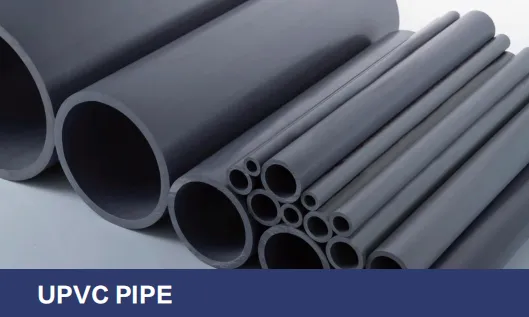
First, let's clarify what UPVC is. Short for unplasticized polyvinyl chloride, UPVC is a rigid, strong form of plastic that's free from the plasticizers that make regular PVC flexible. This rigidity gives it structural strength, while its chemical composition makes it resistant to corrosion, heat, and impact. Unlike some plastics, UPVC is also non-toxic, making it safe for use in drinking water systems—a critical feature for residential and commercial projects alike.
But UPVC isn't just a one-trick pony. Modern UPVC pipe solutions are engineered with the Middle East in mind, often treated with UV stabilizers to prevent degradation from sunlight and reinforced to handle high water pressure. This combination of features has made UPVC a favorite among both residential building materials suppliers and commercial building materials suppliers, who recognize its ability to meet the diverse needs of projects across the region.
In a region where the environment is constantly working against buildings, durability is non-negotiable. UPVC pipes excel here for several reasons:
Middle East construction projects are often high-stakes, with budgets that need to stretch further than ever. UPVC pipe solutions deliver value at every stage:
Sustainability is no longer a buzzword in the Middle East—it's a requirement. Governments across the region are pushing for greener buildings, with initiatives like Dubai's Green Building Regulations and Saudi Arabia's Vision 2030 emphasizing environmental responsibility. UPVC pipe solutions align with these goals in several ways:
Whether it's a luxury residential tower in Riyadh, a sprawling commercial mall in Doha, or a hospital in Kuwait, UPVC pipe solutions adapt to the needs of any project. Here's how:
To truly understand why UPVC pipe solutions are in demand, it helps to see how they stack up against traditional materials. The table below compares UPVC with steel and concrete pipes across key metrics relevant to Middle East construction:
| Metric | UPVC Pipes | Steel Pipes | Concrete Pipes |
|---|---|---|---|
| Initial Cost | Moderate | High | High |
| Installation Time | Fast (lightweight, easy to join) | Moderate (requires welding) | Slow (heavy, requires machinery) |
| Maintenance Needs | Low (no corrosion, minimal cleaning) | High (rust prevention, painting) | Moderate (crack repairs, sealing) |
| Lifespan | 50+ years | 20–30 years (with maintenance) | 30–40 years |
| Environmental Impact | Low (recyclable, low energy production) | High (mining, corrosion byproducts) | Moderate (high energy to produce) |
| Climate Resistance | Excellent (UV, corrosion, heat resistant) | Poor (corrodes in salt/humidity) | Good (heat resistant, but prone to cracking in extreme cold) |
While UPVC pipe solutions offer clear advantages, their performance ultimately depends on the quality of the product. This is where partnering with a reputable UPVC pipe supplier becomes critical. In the Middle East, where construction timelines are tight and standards are high, developers and contractors need more than just a supplier—they need a partner who understands the region's unique challenges.
A reliable UPVC pipe supplier will offer:
Many developers are now turning to one-stop architectural solution providers that offer UPVC pipe solutions alongside other building materials, from flooring to cladding. This approach streamlines the procurement process, reduces coordination headaches, and ensures consistency across all components of a project.
When a leading developer in Riyadh set out to build a 2,000-unit residential complex, they needed a piping system that could handle the demands of hundreds of families while staying within budget. After evaluating options, they chose UPVC pipe solutions supplied by a local UPVC pipe supplier with a track record in large-scale projects.
The result? Installation was completed 25% faster than projected, thanks to the lightweight nature of UPVC pipes, and maintenance costs have been 60% lower than similar complexes using steel pipes. Five years after completion, the UPVC pipes show no signs of corrosion or degradation, even in Riyadh's extreme summer heat.
A new 1.2 million square meter mall in Doha required a complex piping network to support HVAC systems, restrooms, and food courts. The project's contractor partnered with a one-stop architectural solution provider that offered UPVC pipe solutions alongside other materials, ensuring seamless integration.
The UPVC pipes were chosen for their ability to handle high water pressure and resist the salt-laden air from the nearby Persian Gulf. Today, the mall's facilities manager reports zero leaks and minimal maintenance issues, allowing the mall to focus on serving customers rather than repairing infrastructure.
Hospitals have strict requirements for hygiene and reliability, and a new 500-bed hospital in Kuwait City was no exception. The project's architects specified UPVC pipe solutions for both potable water and drainage systems, citing their non-toxic nature and resistance to bacterial growth.
The UPVC pipes, supplied by a commercial building materials supplier specializing in healthcare projects, met international standards for medical facilities. Three years post-opening, the hospital's engineering team notes that the UPVC system has contributed to maintaining sterile conditions and reducing the risk of waterborne contaminants.
As the Middle East continues to grow, the demand for reliable, sustainable building materials will only increase. UPVC pipe solutions are poised to play an even larger role in this growth, driven by ongoing innovations in the industry. Manufacturers are developing new UPVC formulations with enhanced heat resistance and flexibility, while suppliers are expanding their offerings to include smart pipe systems with built-in leak detection sensors—technology that aligns with the region's push for smart cities.
Additionally, as more developers prioritize LEED certification and green building standards, UPVC's sustainability credentials will become an even bigger selling point. From reducing carbon footprints to conserving water, UPVC pipe solutions check all the boxes for environmentally conscious projects.
In a region defined by ambition and innovation, the choice of building materials matters. UPVC pipe solutions have emerged as a cornerstone of Middle East construction, offering the durability, cost-efficiency, and sustainability that developers need to bring their visions to life. Whether it's a residential tower in Riyadh, a commercial mall in Doha, or a hospital in Kuwait, UPVC pipes are proving that they can stand up to the region's toughest challenges.
For those looking to build in the Middle East, partnering with a trusted UPVC pipe supplier or one-stop architectural solution provider isn't just a convenience—it's a strategic decision that ensures quality, reliability, and long-term success. As the region continues to grow, UPVC pipes will undoubtedly remain at the forefront of building materials, helping to shape the skylines and communities of tomorrow.
Recommend Products












