Walk through the streets of Dubai, Riyadh, or Doha today, and you'll be met with a skyline in constant motion—cranes towering over construction sites, glass facades rising on residential towers, and crews racing to finish hospitals, schools, and shopping malls. The Middle East isn't just building; it's reimagining what modern cities can be. From Saudi Arabia's $500 billion NEOM project to Dubai's ever-expanding roster of luxury resorts, this region is in the throes of a construction boom unlike anything seen in recent decades. But behind every gleaming skyscraper and state-of-the-art facility lies a critical, often overlooked component: the infrastructure that keeps these buildings running. And when it comes to reliable, cost-effective piping systems, one material is emerging as the backbone of this growth: UPVC pipes.
The Middle East Building Boom: A Landscape of Growth
To understand the demand for
UPVC pipe solutions, you first need to grasp the scale of the Middle East's construction surge. Governments across the region are pouring billions into transformative projects, driven by a mix of population growth, tourism ambitions, and long-term economic diversification plans. Take Saudi Vision 2030, for example—a blueprint to reduce oil dependence that includes building 10,000 new schools, 200 new hospitals, and millions of residential units by 2030. In the UAE, Dubai's preparations for Expo 2020 (and its legacy projects) and Abu Dhabi's $27 billion infrastructure plan have kept cranes busy for years. Even smaller markets like Qatar, fresh off the 2022 World Cup, are investing in post-tournament developments to solidify their status as a global hub.
The numbers tell the story: According to the Middle East Construction Survey, the region's construction market is projected to grow by 4.5% annually through 2027, with Saudi Arabia and the UAE accounting for over 60% of all projects. These aren't just any projects, either. We're talking about mega-cities like NEOM, where a $500 billion futuristic metropolis is rising from the desert; luxury resorts along the Red Sea coast designed to attract 100 million tourists annually; and smart residential complexes that blend sustainability with cutting-edge technology. Each of these projects, from the foundation to the finishing touches, relies on durable, efficient building materials—and that's where piping systems come into play.
Behind the Scenes: The Critical Role of Piping Systems
Piping might not be the most glamorous part of construction, but it's the circulatory system of any building. Imagine a 50-story residential tower without reliable water supply pipes, or a hospital where drainage systems fail to handle waste. In the Middle East, where temperatures soar above 45°C in summer and water scarcity is a pressing concern, the stakes are even higher. Pipes here don't just need to work—they need to withstand extreme heat, resist corrosion from mineral-heavy groundwater, and meet strict regulatory standards for safety and efficiency.
Traditionally, projects in the region relied on materials like galvanized steel or concrete pipes, but these often fell short. Steel corrodes quickly in salty coastal air (think Dubai or Doha), while concrete can crack under thermal expansion. Then there's the cost: importing and installing heavy metal pipes drives up labor and transportation expenses, eating into already tight project budgets. For developers racing to meet deadlines—whether for a new hospital or a residential complex—delays caused by faulty piping can be catastrophic. This is why more and more contractors and engineers are turning to a material that checks all the boxes: UPVC.
UPVC Pipes: The Unsung Heroes of Modern Construction
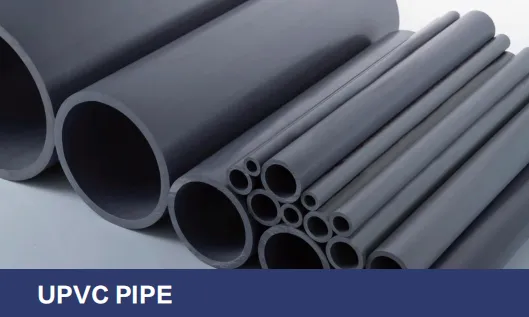
UPVC, or Unplasticized Polyvinyl Chloride, is a rigid, durable plastic polymer that's been revolutionizing the piping industry for decades. Unlike regular PVC pipes (which are plasticized for flexibility), UPVC is (strengthened) with additives that make it stiffer, more heat-resistant, and less prone to deformation. For the Middle East's harsh conditions, this is a game-changer.
Let's break down why UPVC has become the go-to choice for developers and a
UPVC pipe supplier's best-selling product:
Durability:
UPVC pipes can last 50+ years without rusting, rotting, or corroding—even when exposed to chemicals, saltwater, or high mineral content in groundwater. In a region where replacing pipes in a high-rise building would cost millions, that longevity is priceless.
Heat Resistance:
With a melting point of around 100°C, UPVC handles the Middle East's scorching temperatures better than many alternatives. It won't warp in direct sunlight or weaken when carrying hot water, making it ideal for both residential and commercial plumbing.
Cost-Effective:
UPVC pipes are lighter than steel or concrete, which cuts down on transportation and installation costs. They're also easier to cut and join, reducing labor time on-site. Over the long term, lower maintenance needs (no repainting or anti-corrosion treatments) add up to significant savings.
Water Efficiency:
Smooth inner walls mean less friction, allowing water to flow more efficiently. This is a big deal in a region where water conservation is mandatory—every drop saved matters. Plus, UPVC pipes have tight, leak-proof joints (when installed correctly), reducing water waste even further.
Compliance:
Reputable UPVC pipe suppliers ensure their products meet regional standards, such as Saudi Arabia's SASO 1393 or the UAE's ESMA regulations. This gives developers peace of mind that their projects will pass inspections and stand the test of time.
Comparing Piping Materials: Why UPVC Stands Out
|
Material
|
Cost (per meter, AED)
|
Lifespan (years)
|
Installation Complexity
|
Corrosion Resistance
|
Best For
|
|
UPVC
|
15–30
|
50+
|
Low (lightweight, easy to cut/join)
|
Excellent (resists chemicals, saltwater)
|
Residential, commercial, irrigation, drainage
|
|
Galvanized Steel
|
40–60
|
20–30
|
High (heavy, requires welding/tools)
|
Poor (rusts in salty/humid environments)
|
Industrial applications (high pressure only)
|
|
PPR (Polypropylene Random Copolymer)
|
25–40
|
40–50
|
Medium (requires heat fusion tools)
|
Good (but less rigid than UPVC)
|
Hot water systems (limited to 70°C max)
|
|
Concrete
|
30–50
|
30–40
|
Very High (heavy, needs specialized labor)
|
Good (but prone to cracking)
|
Large-scale drainage (sewage systems)
|
As the table shows, UPVC strikes the perfect balance between cost, durability, and ease of use. For a
residential building materials supplier or
commercial building materials supplier, offering
UPVC pipe solutions isn't just about meeting demand—it's about providing clients with a material that solves real-world problems.
Applications Across Project Types
UPVC pipes aren't a one-trick pony. Their versatility makes them suitable for almost every type of construction project sweeping the Middle East. Let's look at a few key areas:
Residential Projects:
From luxury villas in Jumeirah to affordable housing complexes in Riyadh, UPVC pipes handle everything from potable water supply to wastewater drainage. Their lightweight design is a boon for high-rise buildings, where lifting heavy steel pipes to the 30th floor would slow down construction. A
residential building materials supplier might pair UPVC pipes with matching
pipes fittings solutions—like elbows, tees, and valves—to offer a complete plumbing package, saving contractors time and hassle.
Hospitals and Schools:
These facilities have zero tolerance for plumbing failures. UPVC's smooth, non-porous surface resists bacterial growth, making it ideal for hospitals where hygiene is critical. For example, a
Class A fireproof cpl inorganic board for hospital and school supplier might recommend UPVC pipes for their fire safety and cleanliness, ensuring compliance with strict healthcare regulations.
Infrastructure and Irrigation:
With governments investing billions in parks, golf courses, and agricultural projects (to boost food security), irrigation systems need pipes that can withstand constant water flow and exposure to fertilizers. UPVC's chemical resistance and low friction loss make it perfect for this—farmers and municipal authorities alike rely on it to deliver water efficiently across large areas.
Commercial Malls and Hotels:
Think about the thousands of people visiting a mall like Dubai Mall daily. UPVC pipes handle high water pressure for restrooms, food courts, and HVAC systems without leaking or bursting. Hotels, too, appreciate that UPVC's quiet operation (no clanging like metal pipes) enhances guest comfort.
Case Study: How UPVC Pipes Transformed a Riyadh Hospital Project
In 2024, a leading construction firm in Riyadh took on a challenge: building a 500-bed hospital in just 18 months, with strict deadlines to support Saudi Arabia's Vision 2030 healthcare goals. The project required a plumbing system that could meet three non-negotiable criteria: sterility (to prevent infections), durability (to avoid shutdowns for repairs), and compliance with Saudi's strict SASO 1628 standards for medical facilities.
The initial plan called for copper pipes, but the team quickly realized the drawbacks: copper is expensive, heavy, and prone to corrosion in Riyadh's mineral-rich groundwater. After consulting with a local
UPVC pipe supplier, they switched to UPVC pipes paired with
pipes fittings solutions designed for medical use. The result?
-
Faster Installation:
The lightweight UPVC pipes cut installation time by 30%, helping the project stay on schedule.
-
Cost Savings:
The team saved 40% on material and labor costs compared to copper.
-
Compliance:
The UPVC pipes passed SASO inspections with flying colors, thanks to their non-toxic, bacteria-resistant properties.
Today, the hospital is operational, and its facilities manager reports zero plumbing issues in the first year—a testament to UPVC's reliability. For the construction firm, the switch wasn't just about materials; it was about partnering with a supplier who understood their needs and could deliver a complete solution.
The Supplier's Role: Keeping Up with the Boom
As demand for UPVC pipes surges, the role of a trusted
UPVC pipe supplier becomes more critical than ever. Middle East projects move fast, and delays caused by material shortages can derail timelines and budgets. A reliable supplier doesn't just deliver pipes—they offer expertise, flexibility, and a commitment to quality.
What should developers look for when choosing a
UPVC pipe supplier?
Local Presence:
Suppliers with regional warehouses can deliver materials quickly, avoiding long lead times from international shipments. For example, a Saudi Arabia-based
UPVC pipe supplier can restock a project in Riyadh within 24 hours, while an overseas supplier might take weeks.
Quality Control:
Reputable suppliers test every batch of pipes for strength, heat resistance, and compliance with local standards. They'll provide certificates of conformity (CoC) to prove it—essential for passing government inspections.
One-Stop Solutions:
The best suppliers don't just sell pipes; they offer a full range of
pipes fittings solutions, from valves and couplings to flange adaptors. This saves contractors the hassle of coordinating with multiple vendors. A
pipes fittings supplier that integrates with
UPVC pipe solutions ensures compatibility, reducing the risk of leaks or failures.
Technical Support:
Installing UPVC pipes might be simpler than steel, but projects with unique requirements (like high-pressure systems in skyscrapers) need expert guidance. Top suppliers provide on-site support, helping contractors design efficient plumbing layouts and troubleshoot issues.
Future Trends: Sustainability and Innovation in UPVC
The Middle East's building boom isn't just about growth—it's about sustainable growth. Governments are increasingly mandating eco-friendly materials, and UPVC is rising to the challenge. Modern UPVC pipes are recyclable, and manufacturers are reducing their carbon footprint by using recycled plastic in production. Some suppliers are even developing "green" UPVC pipes infused with additives that improve thermal insulation, reducing energy use in hot water systems.
Innovation is also driving change. Smart UPVC pipes with built-in sensors are being tested in pilot projects, allowing engineers to monitor water flow, pressure, and leaks in real time via IoT platforms. For a region aiming to be a leader in smart cities, this technology could transform how infrastructure is managed—predicting issues before they become crises.
Conclusion: Partnering for Progress
The Middle East's building boom is more than just a construction spree—it's a vision for the future. As cities grow, hospitals expand, and communities thrive, the materials that build these spaces will shape their resilience and success. UPVC pipes, once an unsung component, have emerged as a cornerstone of this vision, offering durability, efficiency, and value that align with the region's ambitious goals.
For developers, contractors, and project managers, choosing the right
UPVC pipe supplier isn't just a business decision—it's a partnership. It's about finding a partner who understands the Middle East's unique challenges, delivers quality pipes and fittings solutions, and grows with the region. As the boom continues, one thing is clear:
UPVC pipe solutions won't just keep up with the demand—they'll help drive it, one durable, reliable pipe at a time.