
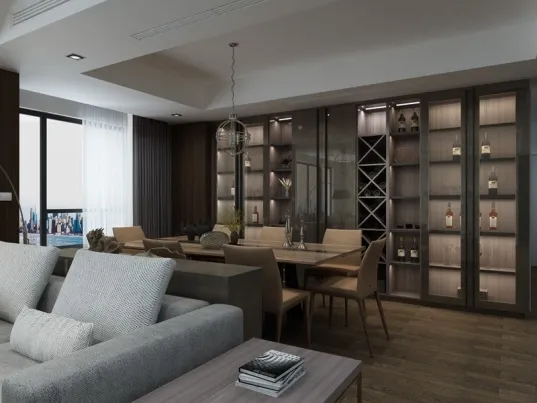
Hey wine lovers! Ever felt overwhelmed choosing a wine cabinet? You’re not alone. A dedicated wine storage solution transforms your space while protecting your collection. Today, we’re breaking down everything you need for the perfect mid-sized cabinet – no fluff, just practical insights you can actually use.
Whether you’re a casual collector or building a serious cellar, mid-sized cabinets hit that sweet spot. Not too big to dominate your space, not too small to limit your options. Here’s the deal:
Think beyond just bottle count. A "20-bottle" cabinet might actually hold 15 bottles comfortably if you include bulkier Burgundy bottles or magnums. Always check internal dimensions – a few extra inches make storage way more flexible.
Got a cramped kitchen? Built-in units maximize vertical space. Freestanding cabinets offer mobility if you rent or redecorate often. And don’t sleep on convertible units – many let you adjust shelves for tall champagne bottles when needed.
Not all cabinets perform equally. Skip the marketing hype and focus on these essentials:
Compressor units cool faster and handle temperature swings better – perfect if your kitchen gets warm. Thermoelectric models? Whisper-quiet but struggle in rooms above 75°F. Know your environment.
Your cabinet shouldn’t clash with your space. Today’s options blend function with killer aesthetics:
Sleek stainless steel or matte black finishes disappear into contemporary kitchens. Pro tip: Handle-free designs create seamless built-in looks with integrated furniture.
Reclaimed wood accents or bronze finishes add cozy character. Just verify door seals – textured materials sometimes compromise insulation.
Remember vibration reduction! Subpar shelving rattles bottles during compressor cycles. Test shelves before buying – they should hold bottles firmly without being impossible to adjust.
Cabinet efficiency varies wildly. An ENERGY STAR certified model can cost $15 less annually to run than inefficient alternatives. Look for:
Ever unboxed a cabinet only to realize it doesn’t fit? Avoid these headaches:
Allow 2-3 inches ventilation space behind cabinet walls. Measure cabinet depth INCLUDING door handles or hinges – builders forget this constantly.
Castor wheels help you clean behind units. And check plug placement! Many cabinets position plugs at bottom-rear corners, incompatible with low outlets.
Armed with these insights, you’re ready to shop smartly. Remember:
A true wine cabinet isn’t just a functional temperature-controlled wine cabinet; it's a celebration of your taste. Choose wisely, and every glass poured will reflect your perfect blend of practicality and passion.
Recommend Products












