
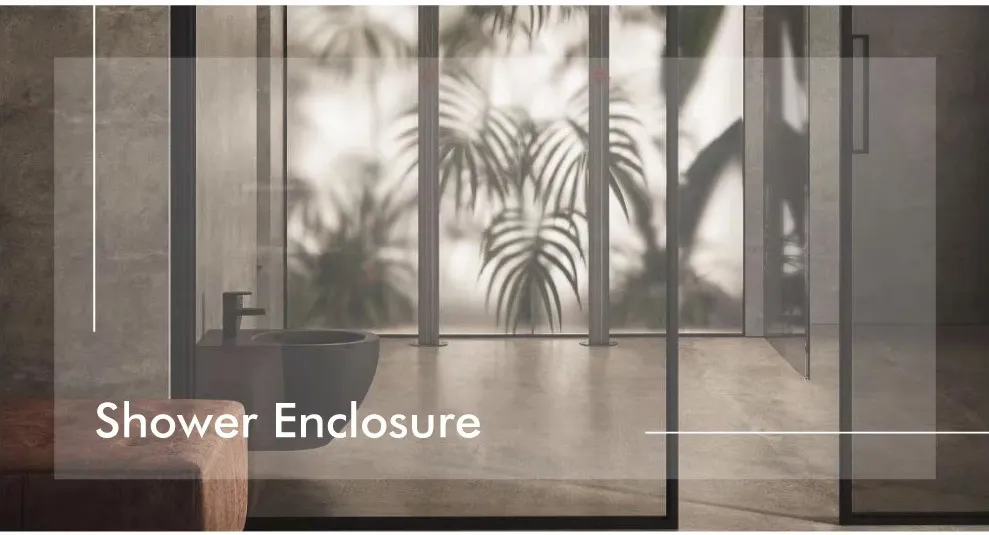
Imagine recovering from surgery or regaining mobility after an accident. Now picture trying to navigate a slippery, cramped shower space with limited movement. It's not just inconvenient - it's dangerous. In rehabilitation settings, showers transform from simple hygiene stations into critical therapy zones where accessible design can literally mean the difference between progress and setback.
The most effective rehab centers understand this intimately. They've moved beyond clinical functionality to create shower environments that blend medical-grade safety with user-friendly experiences . It's about preserving dignity while preventing falls, combining supportive technology with intuitive layouts that adapt to changing mobility needs.
Traditional shower designs weren't created with recovery in mind. The typical 3'x3' stall presents multiple hazards:
When rehab centers prioritize moisture-proof tiles and thoughtful layouts, they're not just installing fixtures - they're rebuilding confidence. The right shower enclosure becomes an extension of the therapy gym, a space where independence gets carefully tested and reinforced daily.
Roll-in accessibility is non-negotiable. A properly designed zero-entry shower features:
Grab bars evolve from bolted-on afterthoughts to integrated support ecosystems:
Using premium stainless steel bathroom fittings ensures longevity and safety.
The modern rehab shower often adopts an open wet-room concept with:
Medical environments often trigger anxiety. Thoughtful shower design counters this through:
These features transform sterile utility spaces into therapeutic environments where patients don't just wash - they recharge.
While ADA standards provide a baseline, leading facilities incorporate:
| Standard Feature | Rehab-Enhanced Upgrade |
|---|---|
| Fixed-height showerhead | Adjustable rails with memory settings |
| Basic slip-resistant flooring | Thermally-warmed textured surfaces |
| Manual controls | Voice-activated or proximity sensor systems |
| Static grab bars | Retractable support systems |
This approach considers the evolving nature of recovery, where patient abilities change weekly. Walk-in shower ideas for small bathrooms can be adapted to create personalized recovery zones.
Modern rehab showers incorporate smart technology:
These aren't gadgets - they're recovery tools providing real-time data to therapy teams.
Effective shower design accommodates both patients AND caregivers:
Using waterproof paneling for shower walls simplifies maintenance and infection control.
The best rehab facilities specify:
These selections ensure lasting performance in demanding clinical environments.
Emerging innovations include:
Rehabilitation is ultimately about reclaiming autonomy. A well-designed shower enclosure does more than prevent falls - it restores self-sufficiency. By combining clinical rigor with empathetic design, forward-thinking facilities turn daily routines into milestones of progress. When every grab bar placement and surface texture receives thoughtful consideration, patients feel it. That's how functional design becomes healing design.
The shower enclosure evolves from a mere bathroom fixture to a pivotal rehabilitation tool. In these thoughtfully configured spaces, recovery gains literal footing - one secure, confident step at a time.
Recommend Products












