
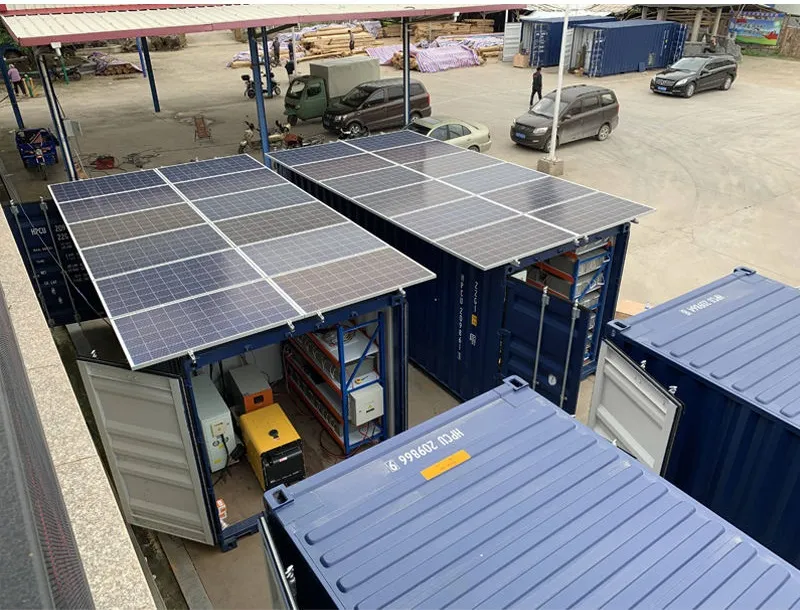
Picture this: you've invested in shiny new solar panels for your roof, expecting clean energy and savings for years to come. But after a few months, strange dark streaks start appearing across their surface - winding trails that look like snail tracks. This unsettling phenomenon called snail patterns affects solar modules worldwide, silently undermining solar investments.
These mysterious markings aren't just cosmetic flaws. Research shows snail trails frequently indicate deeper issues in photovoltaic systems that could slash your energy generation by 9-27% in affected panels. That's like losing 2-3 months of free electricity every year!
In this deep dive, we'll unpack why these discolored lines happen, what they mean for your solar setup, and most importantly - how to prevent them from ruining your renewable energy dreams. We'll blend cutting-edge research from laboratories with real-world field insights to give you the complete picture.
Snail patterns (or snail trails) are those frustrating dark lines crisscrossing solar panels that resemble - you guessed it - snail tracks. They typically appear 6-18 months after installation and seem to magically spread over time. But under the surface, they're anything but simple blemishes.
At the microscopic level, snail trails involve complex chemical reactions where moisture meets vulnerable areas of your solar cells. Picture rainwater sneaking through microscopic gaps, then reacting with silver components during sunny spells. These chemical reactions create compounds like silver carbonate - the same material used in darkroom photography chemicals - that stain your panels brown or black.
Think of it like rust forming on metal, but instead of iron oxidizing, it's silver components in your solar panel discoloring under special humidity and UV conditions.
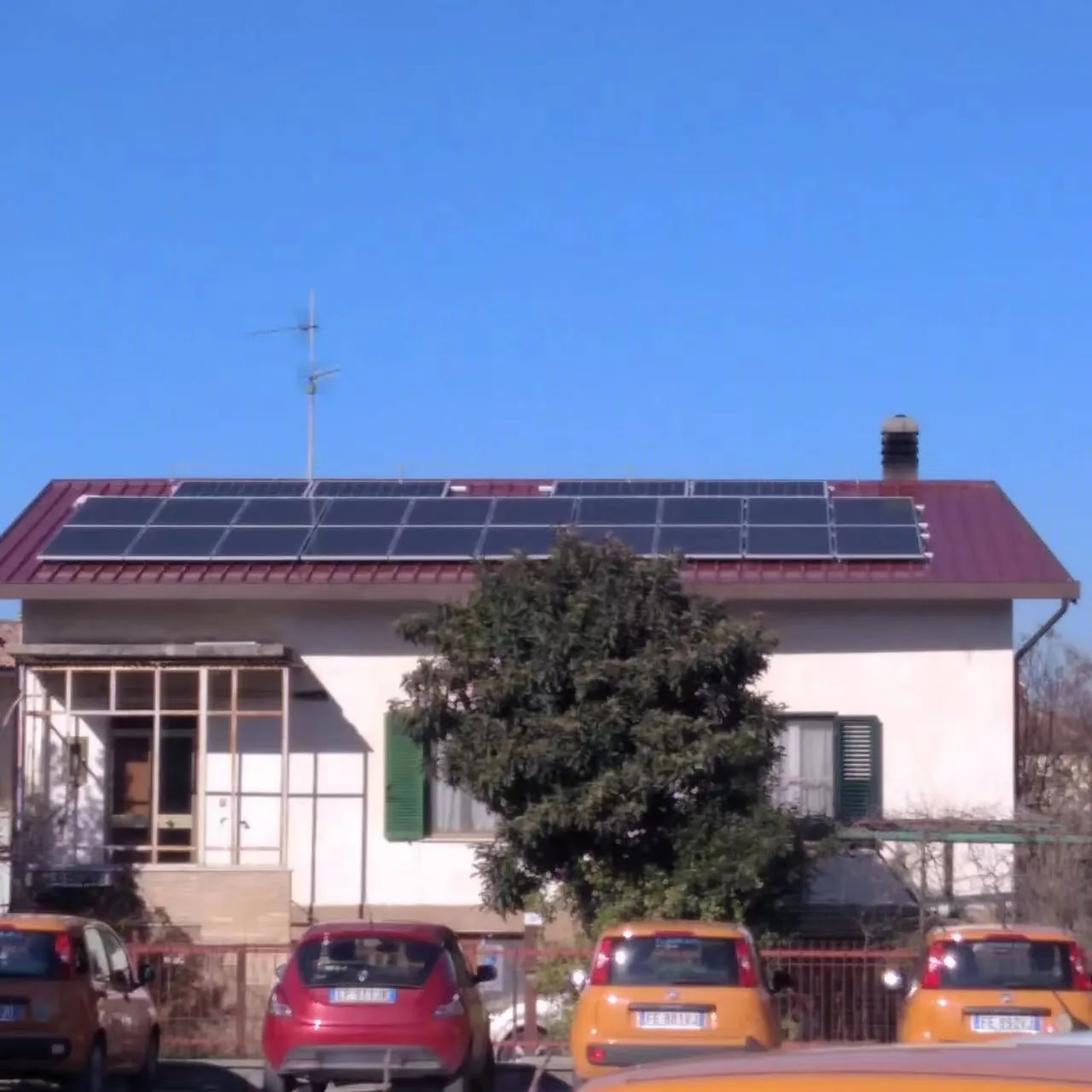
Just like baking requires specific ingredients, snail trails need three elements simultaneously:
Cracks in the armor
Microscopic fractures develop for various reasons: rough handling during shipping, thermal stress as panels heat up and cool down daily, or poor manufacturing quality. These tiny gaps become express lanes for moisture invasion.
Water's secret pathway
Moisture doesn't need large openings - microscopic spaces between panel layers or hairline cracks are enough. Once inside, water migrates toward silver grid lines on solar cells through capillary action, just like coffee rising in a sugar cube.
Sunlight the catalyst
Sunlight triggers electrochemical reactions when combined with moisture. UV radiation interacts with encapsulant additives like acetic acid, creating a corrosive environment for silver gridlines. Oxidation occurs fastest in warmer conditions.
A recent analysis of affected panels after seven years of subtropical exposure revealed silver fingers near snail trails had thinned dramatically - some were 30% narrower than unaffected gridlines. This erosion directly impacts energy harvesting.
This trio of factors explains why snail trails appear unpredictably - even panels from the same batch can have different vulnerabilities to cracking or moisture penetration.
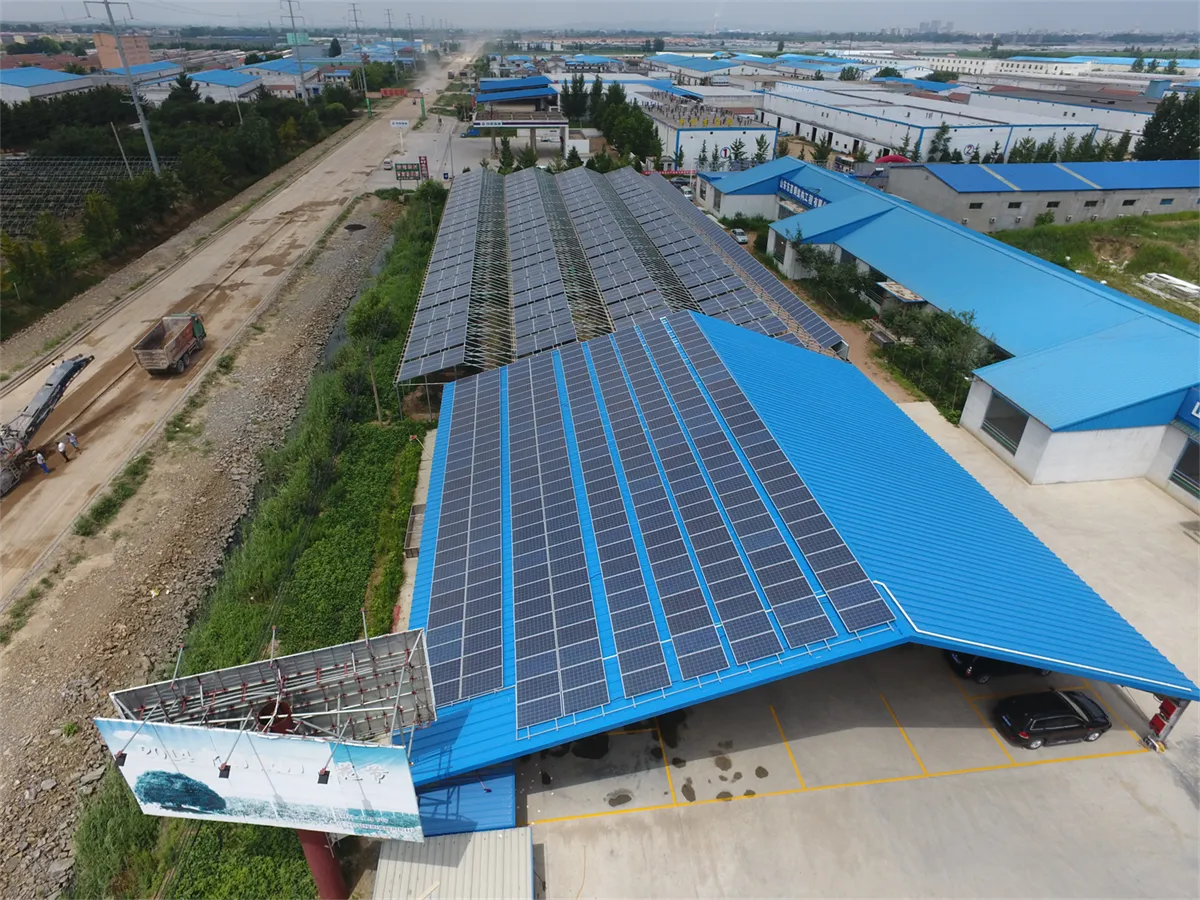
While manufacturers often downplay snail patterns as cosmetic, field evidence tells a different story:
A solar farm in India with 78% affected panels after five years showed power losses of 4-15% in entire strings - that's equivalent to losing one month of electricity production annually for that entire section.
Researchers used Dark-Lock-in Thermography (DLIT) imaging and found distinct temperature hotspots along snail trails. These hotspots confirm resistance building in those pathways - basically like roadblocks diverting electron traffic.
In severe cases, solar cells actually fracture along snail trail paths. Electroluminescence imaging reveals these as dark lines with bright edges that look like jagged lightning bolts.
Imagine your neighborhood roads suddenly developing unexpected potholes and roadblocks during rush hour. That's how electrons experience snail trails - detours that slow down energy flow.
The financial impact adds up quickly. For a typical 5kW residential system showing 10% loss, that's $150-$200 in wasted annual savings. Over a panel's 25-year lifespan? That could mean $4,000 lost to snail trails!
Modern solar diagnostics use sophisticated techniques to uncover snail trail damage invisible to the naked eye:
Electroluminescence Imaging
Special cameras detect faint light emissions from working solar cells in dark conditions. Healthy areas glow uniformly while snail trail damage appears as distinct dark lines with bright edges - like tracing faults with neon markers.
Dark-Lock-in Thermography
Thermal cameras capture heat signatures during operation. Affected zones along snail trails show up as distinct temperature patterns - essentially thermal fingerprints of where energy is leaking.
I-V Curve Tracing
This technique maps electrical performance and identifies irregular dips that indicate micro-cracks or shunting near snail trails. It's like an EKG for your solar panels.
Field technicians are increasingly finding that snail trails serve as early warning systems for broader reliability issues. Backsheet degradation and encapsulation bubbles often coincide with trail formation.
Snail trails aren't the main problem - they're warning lights indicating underlying system issues, like a car's check engine light flashing.
The good news? These solutions can dramatically reduce snail trail formation:
Smarter Encapsulants
Premium EVA materials now feature additives that neutralize acetic acid formation. Some manufacturers have reduced snail trail occurrence by over 60% using specialized protective coatings on silver grids.
Robust Cell Designs
Anti-cracking technologies like reinforced busbars and honeycomb cell structures make panels more resilient. PERC and TOPCon cell designs show promise too.
Careful Handling Protocols
Simple changes like installing panels before noon (avoiding thermal shock) and using vibration-absorbing transport materials prevent micro-cracks.
For existing installations, new encapsulation repair techniques can halt trail progression without replacing entire panels. And innovative cleaning solutions can remove early-stage oxidation before permanent damage occurs.
In distributed solar power systems where maintenance access is challenging, prioritizing snail trail prevention during installation pays lifelong dividends. Choosing panels with backsheets designed for enhanced moisture barriers significantly reduces water intrusion risks.
The solar industry is waking up to this challenge. Leading manufacturers now implement double EL scanning at production - once after cell fabrication and again before shipping - to catch vulnerable panels.
What should you do right now?
For New Installations
- Request manufacturers' EL test documentation
- Choose panels with anti-PID and anti-snail trail certifications
- Ensure installers follow strict handling protocols
For Existing Arrays
- Conduct annual thermal imaging scans
- Monitor energy output monthly for unexpected dips
- Clean panels seasonally to prevent dirt accelerating moisture issues
If You Spot Trails
- Document progression with photos monthly
- Get professional DLIT imaging to assess damage
- Contact manufacturers about warranty coverage
- Consider encapsulation repair before full replacement
Remember: Early intervention can save up to 90% of potential losses. Catching snail trail development within the first year prevents cascading damage.
One homeowner in Arizona managed to completely halt trail progression using a specialized resin injection technique costing just $120 per panel - saving her $8,000 replacement bill.
Innovations coming down the pipeline promise to make snail trails a historical footnote:
Silver-Free Designs
New panels using copper metallization avoid the oxidation problem entirely. Early adopters report zero snail trail formation after three years.
Self-Healing Polymers
Materials under development can seal micro-cracks automatically when exposed to sunlight - like panels healing their own "paper cuts."
Active Moisture Control
Nanoscale desiccants in panel frames could maintain optimal humidity levels internally without complex sealing systems.
The next generation of solar technology may eliminate the snail trail problem at its root. Until then, informed prevention strategies give solar owners powerful tools to protect their investments.
The mystery of snail patterns unravels when we see them not as random marks, but as chemical signatures of specific environmental interactions. By controlling these variables, we reclaim solar panel efficiency.
So keep watching your panels - not just for the energy they produce, but for clues about their long-term health. With vigilance and prevention, snail trails don't have to spoil your solar journey.
Recommend Products












