
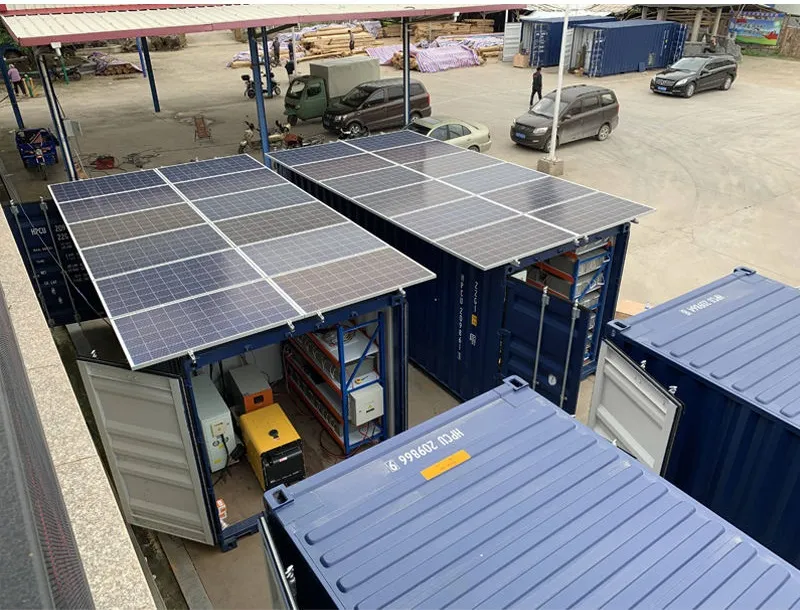
Ever stop to think how solar panels handle being stomped by snow, whipped by wind, or bent during installation? Just like you wouldn't buy a car without crash tests, you shouldn't get solar without understanding mechanical strength testing . Whether you're considering rock-solid traditional panels or space-age flexible ones, this guide breaks down how they're stress-tested to survive real-world punishment.
Solar panels aren't disposable gadgets—they're 25-year investments meant to endure brutal conditions. In snowy Japan or hurricane-prone Florida, a cracked panel means lost power and expensive repairs. That's why labs have developed specialized torture tests:
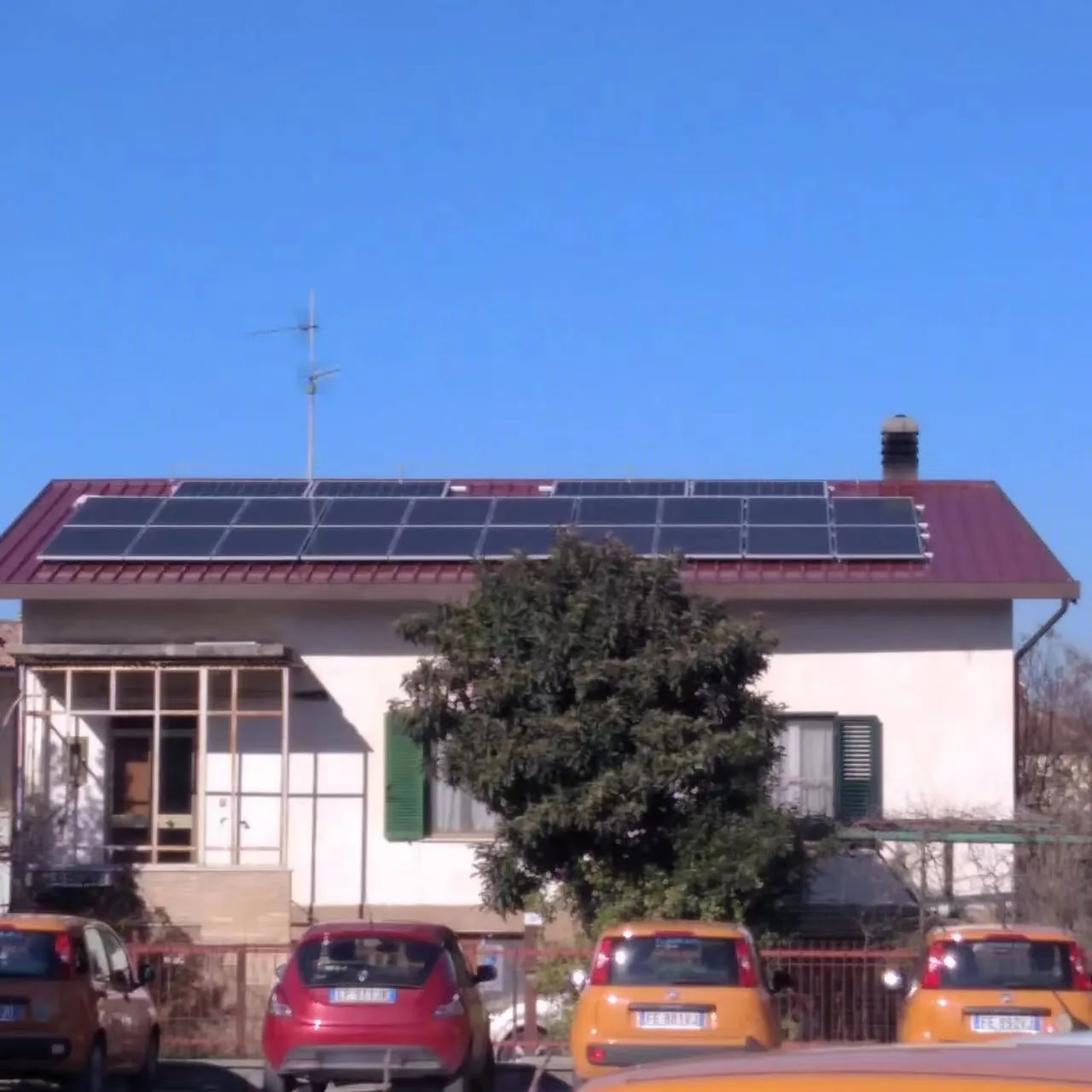
Traditional glass-heavy panels look tough, but standardized tests expose weak spots:
"After 240 hours of simulated freezing, the IML test piles weight unevenly near the panel's bottom edge—just like packed snow sliding toward your eaves. When WINAICO panels passed 6,000 Pa of pressure (equivalent to 50cm snow depth), we knew they wouldn't buckle." - Solar Tech Engineer
| Test Type | Pressure Applied | Real-World Simulation | Passing Threshold |
|---|---|---|---|
| Standard ML | 5,400 Pa | Uniform loading | <5% power degradation |
| Snow IML | 6,000 Pa | Snow on pitched roofs | Zero frame failure |
| Typhoon DML | 5,000 Pa (200 cycles) | 220+ km/h wind speeds | <0.29% power loss |
What these tests prove: Rigid panels aren't indestructible. The 5,400 Pa ML standard? Not much help against jagged snowdrifts—that's where IML comes in with 1.5x extra safety margin.
Thin-film flexible panels need entirely different testing. Instead of snow heaps, engineers care about bending cycles. Think rolling panels onto RV roofs or wrapping them around gear:
Fun fact: Testing requires robots gently curling panels like sushi chefs—not snapping them like glow sticks. Encapsulation plays hero too; flexible barriers can boost bend tolerance by 300% compared to naked cells.
The choice isn't just about efficiency—it's about environmental beatings:
Testing innovations are closing the gap. Perovskite layers now self-heal micro-cracks during bending, while polymer networks (like in Hu et al.'s study) distribute strain like memory foam.
Labs aren't just stacking sandbags anymore. Breakthroughs you should know:
The industry's realizing: Good testing isn't about brute force but understanding mechanics. Like why bamboo-inspired electrodes withstand twisty installations better.
Don't fall for marketing fluff—demand proof:
Remember, solar installs are long-term relationships. Proper testing ensures your panels won't ghost you after the first blizzard.
Where's mechanical testing heading? Two exciting frontiers:
The real win? Standardized tests will let us compare flexible panels vs. traditional ones fairly. Imagine buying panels rated by snow-load capacity instead of watts alone.
Bottom line: Whether you're setting panels on an Antarctic research station or a sailboat, understanding mechanical testing helps pick technology that laughs off abuse. And that’s peace of mind you can't put a price on.
Recommend Products












