


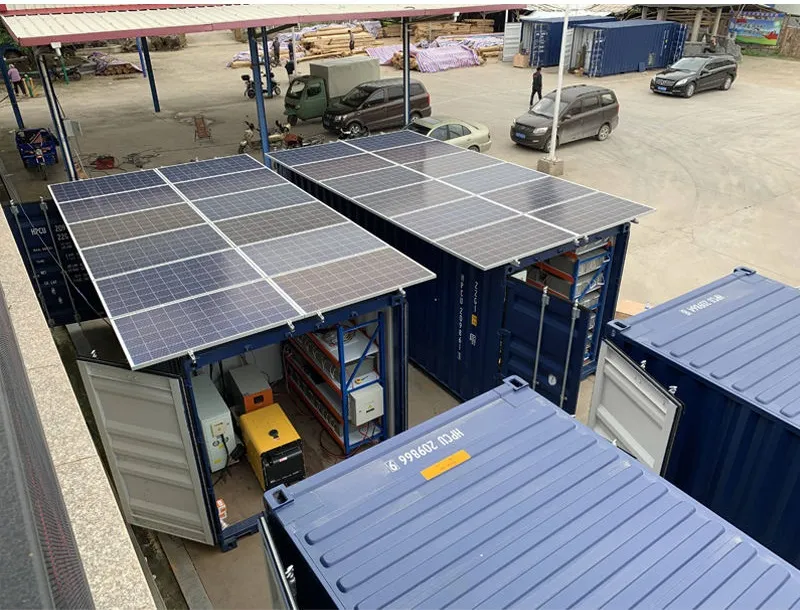
When we talk about solar energy systems, most folks get excited about panels and inverters. But let me tell you, the real unsung heroes are those slender aluminum guide rails hugging your roof. Without them, your shiny solar investment would be about as stable as a house of cards in a windstorm.
Think of guide rails like the skeletal system of your solar array – you don't see them doing the flashy work, but they're keeping everything upright when storm season rolls around. And on sloped roofs? That's where things get especially interesting. Those angled surfaces add a whole new dimension of challenges that demand smart engineering solutions.
Why Your Roof's Pitch Changes Everything
Sloped roofs aren't just steeper versions of flat surfaces – they create a totally different ballgame for installation. Rainwater's sprinting downhill, gravity's pulling harder, and let's not forget how wind behaves differently on angled surfaces. The right guide rail system doesn't just hold panels in place; it works with these forces instead of fighting them.
The Physics of Slope Dynamics
Ever tried walking up a steep hill? Solar panels feel that same gravitational pull daily. This constant downward force means:
- Compression stress concentrates where rails meet roof attachments
- Lateral forces increase during thermal expansion/contraction
- Shear strength becomes critical at steeper angles (>30°)
Practical Tip: For pitches over 40°, consider rail designs with "ribbed" internal structures – they're like adding internal buttresses without extra weight. You'll gain up to 25% more shear resistance.
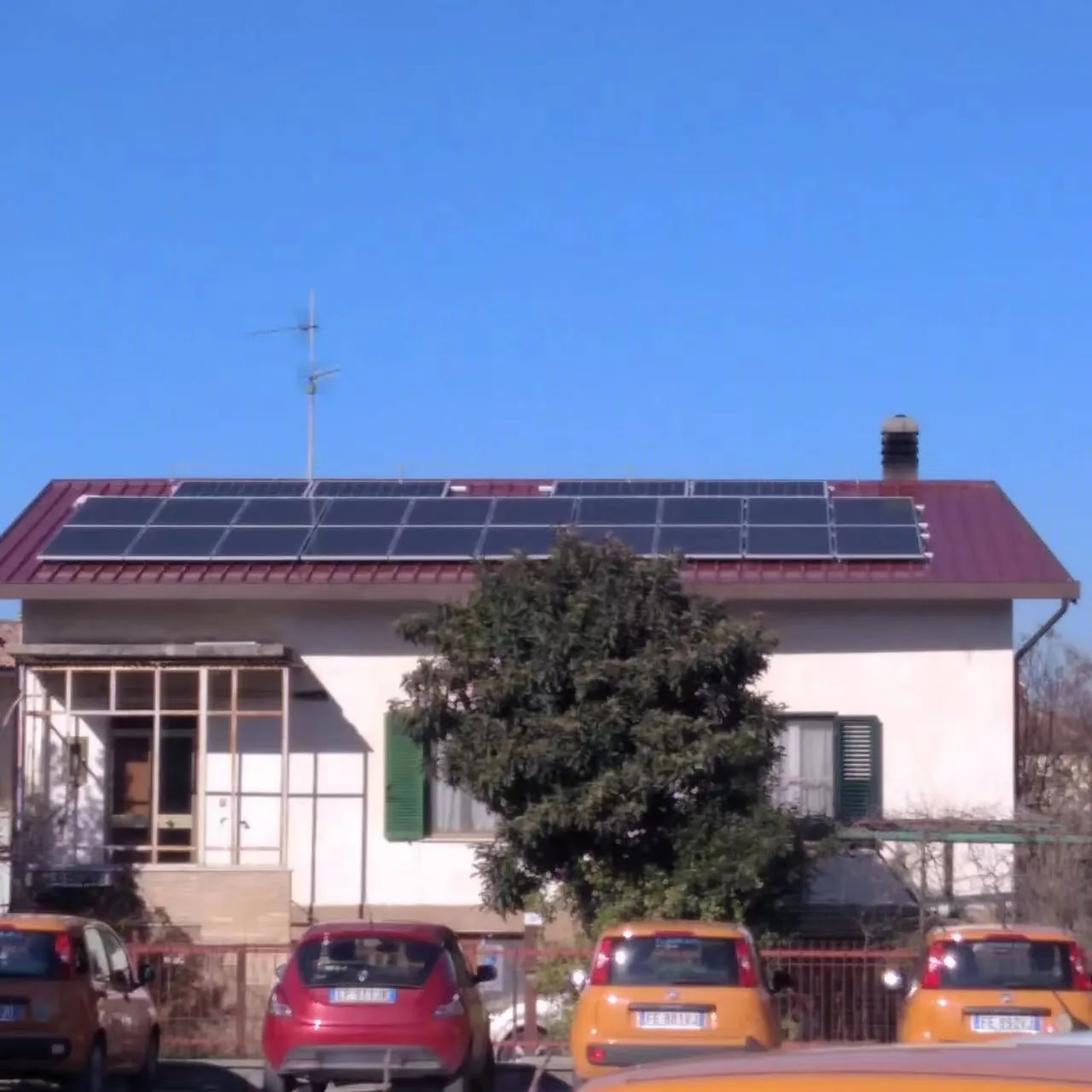
Cracking the Code on Material Science
Aluminum's Hidden Talents
Your guide rails are probably aluminum, but not just any aluminum. Most top-tier systems use:
- 6000-series alloys (like 6061 or 6063-T6)
- Tensile strength between 20-35 ksi
- Corrosion resistance that comes from clever alloy blends
What makes this stuff special? When oxygen hits the surface, it forms aluminum oxide – nature's rust-proof coating. This passive layer self-repairs when scratched.
The Strength-Weight Sweet Spot
Here's why aluminum wins over steel:
Density: Aluminum = 2.7 g/cm³ vs Steel = 7.85 g/cm³
Translation: Aluminum delivers similar strength at 1/3 the weight. That difference means your roof structure doesn't need expensive reinforcement.
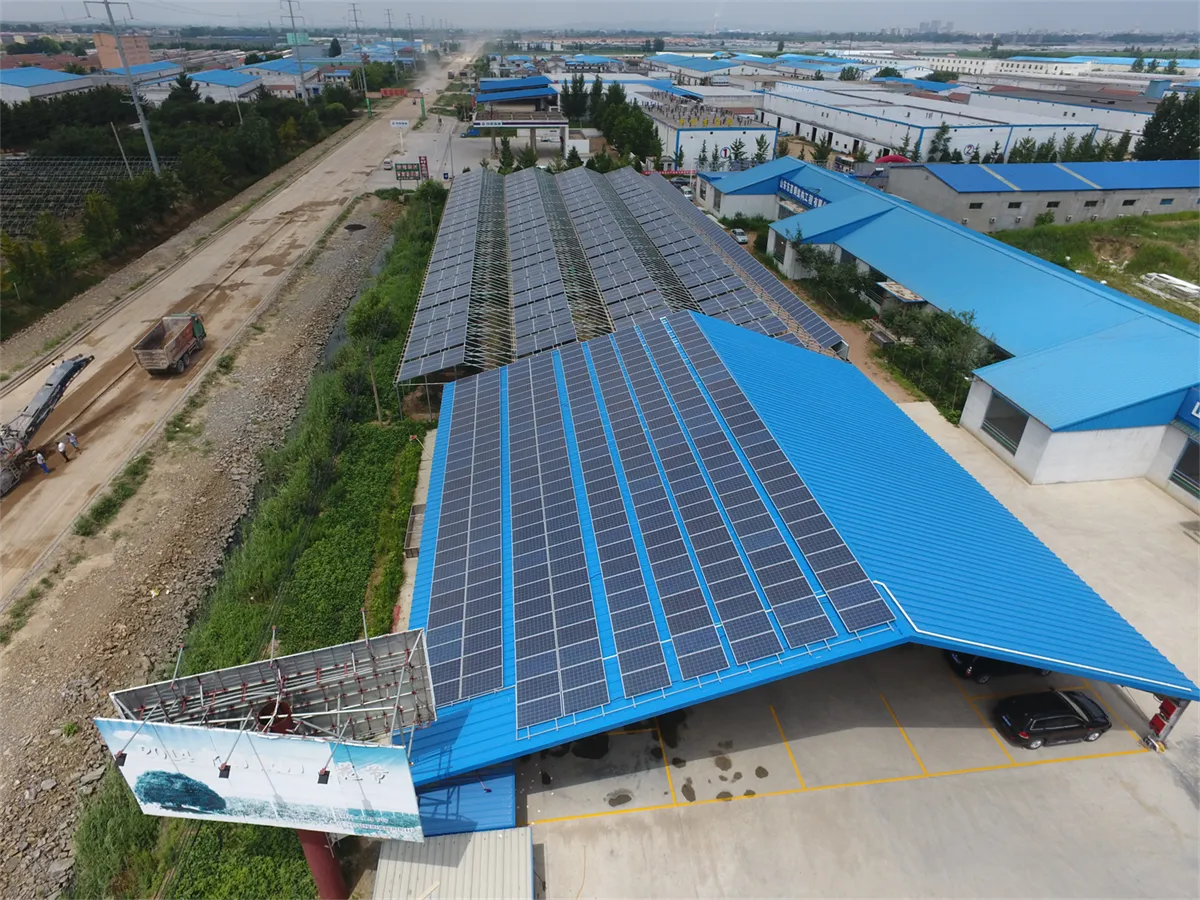
How Engineers Outsmart Mother Nature
The Groove That Makes Magic Happen
Those channels running along your rails? They're not just for decoration:
- Dovetail shapes prevent unintentional clamp detachment
- Continuous slots allow unlimited positioning flexibility
- T-shaped grooves facilitate rapid clip installation
The Power of Hollow Design
Inside those rectangular rails lies engineering brilliance:
Honeycomb Structures: Internal webs redistribute load forces while minimizing weight. This hollow approach:
- Boosts torsional rigidity by 40% compared to solid rails
- Creates thermal expansion buffer zones
- Provides conduit space for wiring in integrated systems
Reinforcing ribs at stress points act like mini-buttresses. These thickened zones are strategically placed where clamps apply pressure, functioning like anatomical joints.
Making Tough Jobs Simpler
The Modular Revolution
Modern systems like the Mini Rail approach have transformed installation logistics:
- End-to-end joining with patented coupling sleeves
- Precision-cut with laser measurement tolerances (±0.5mm)
- Color-coded components for foolproof assembly
Waterproofing Like a Pro
On sloped roofs, how you seal penetrations matters more than where. The coplanar technique:
- Uses compression-based EPDM membranes that self-seal
- Creatures thermal expansion allowance in rubber donuts
- Reduces failure points by 70% over traditional flashing
Proper waterproofing involves selecting components from reliable solar panel suppliers who understand slope-specific challenges.
Where Installation Meets Physics
Beating Thermal Expansion Headaches
Aluminum and solar panel glass:
| Coefficient of Thermal Expansion | |
|---|---|
| Solar Glass | ≈ 9×10⁻⁶/°C |
| Aluminum Rails | ≈ 23×10⁻⁶/°C |
Without proper design, this mismatch causes stress fractures in panels. Solutions include:
- Sliding clamp interfaces that absorb 15mm of movement
- Expansion joints every 10 meters
- Thermal buffer zones at rail ends
Wind Uplift Math Made Practical
Calculating wind loads isn't rocket science, but it matters:
Basic uplift equation:
F = q × G × C × A
Where q=wind pressure, G=gust factor, C=shape coefficient, A=surface area. For residential sloped roofs, anchors should withstand 90-120 psf uplift.
Tailoring Systems to Roof Personalities
Standing Seam Mastery
Those pretty raised seams aren't just decorative – they're load-bearing:
The KR18 system revolutionizes standing seam installations by:
- Using cam-lock technology that snaps onto seams without penetration
- Distributing weight along multiple seams via lateral braces
- Allowing 60° tilt adjustments without additional hardware
Tile Roof Specialist Solutions
The Domo system transforms tile installations with:
- Adjustable Z-brackets that contour to uneven surfaces
- Dual-angle micro-adjustment (±7°) for slope compensation
- Weight transfer systems that avoid point-loading fragile tiles
Looking Beyond Basic Installations
Future-Proof Material Innovations
The next wave of rail technology is exciting:
- Carbon fiber hybrids (for extreme lightweight needs)
- Self-monitoring rails with embedded strain gauges
- Thermochromic coatings that indicate stress points
Smart rail sensors currently in development would track:
- Real-time stress distribution
- Micro-corrosion detection
- Thermal gradient mapping
This transforms guide rails from passive structures into active safety systems.
Sustainable Thinking from Start to Finish
Aluminum's end-of-life story deserves celebration:
- Recycling requires only 5% of original production energy
- Closed-loop manufacturing is becoming standard
- New extrusion technologies reduce scrap by 90%
The Big Picture
That slender piece of metal running across your roof? It's more than just a panel holder. It's a carefully engineered system balancing physics, materials science, and environmental forces. Understanding its mechanical behavior transforms how we approach installations - creating systems that don't just survive but thrive on sloped surfaces for decades.
The best guide rail systems fade into the background – quiet performers that endure winds, expand under sun, and shrug off rain. So next time you look at a rooftop solar array, give some love to those horizontal heroes keeping everything grounded, whatever slope they may face.










